Special offer! Comprehensive professional teeth cleaning for only 1699 UAH.
Special offer! Comprehensive professional teeth cleaning for only 1699 UAH.
Special offer! Comprehensive professional teeth cleaning for only 1699 UAH.
Special offer! Comprehensive professional teeth cleaning for only 1699 UAH.
Special offer! Comprehensive professional teeth cleaning for only 1699 UAH.
Special offer! Comprehensive professional teeth cleaning for only 1699 UAH.
Special offer! Comprehensive professional teeth cleaning for only 1699 UAH.
Special offer! Comprehensive professional teeth cleaning for only 1699 UAH.
Special offer! Comprehensive professional teeth cleaning for only 1699 UAH.
Special offer! Comprehensive professional teeth cleaning for only 1699 UAH.
Sign up
 (044) 394 90 94
  Holosiivska/Demiivska metro station
Doctors


 Prices
Blog
Contacts
пр.Лобановського, 130, Київ, Україна
Temporarily closed
Opening soon
78A, Irpinska St., Kyiv, Ukraine
Temporarily closed
Opening soon
32A, Heroiv Dnipra St., Kyiv, Ukraine
Temporarily closed
Opening soon
9B, Yevhena Chykalenko St. (Pushkinska), Kyiv, Ukraine
Temporarily closed
Opening soon
Sign up
En
(044) 394 90 94
Back
Dentistry
General Dentistry
Dental surgery
Dental Implants
Maxillofacial Surgery
Dental prosthetics
Cosmetic dentistry
Professional Dental Hygiene

Periodontics
Orthodontic dentistry
Gnathology & TMJ Therapy
Pediatric Dentistry
Dental X-Rays
Back
Orthodontic Center
Orthodontic dentistry
Gnathology & TMJ Therapy
Back
Prosthodontic Center
Dental prosthetics
Back
MED-DEO Center for Maxillofacial Surgery & Facial Plastics
Maxillofacial Surgery
Plastic surgery
Back
Surgical Dental Center
Dental surgery
Dental Implants
Search on the site


Popular requests
Teeth whitening
Treatment of caries
Wisdom tooth extraction
Bracket system
Dental veneers
Tooth restoration
Pediatric dentist
Consultation with a dentist-therapist
Search results by: «».
Unfortunately, no results were found for your search: “Pediatric Endocrinologist”, nothing was found.
You may find these links useful:
Clinics "MED-DEO"
пр.Лобановського, 130, Київ, Україна
Temporarily closed
Opening soon
78A, Irpinska St., Kyiv, Ukraine
Temporarily closed
Opening soon
32A, Heroiv Dnipra St., Kyiv, Ukraine
Temporarily closed
Opening soon
9B, Yevhena Chykalenko St. (Pushkinska), Kyiv, Ukraine
Temporarily closed
Opening soon
Services
Dentistry Orthodontic Center Prosthodontic Center MED-DEO Center for Maxillofacial Surgery & Facial Plastics Surgical Dental CenterGeneral Dentistry
Dental surgery
Dental Implants
Maxillofacial Surgery
Dental prosthetics
Cosmetic dentistry
Professional Dental Hygiene
Periodontics
Orthodontic dentistry
Gnathology & TMJ Therapy
Pediatric Dentistry
Dental X-Rays
Orthodontic dentistry
Gnathology & TMJ Therapy
Dental prosthetics
Maxillofacial Surgery
Dental surgery
Dental Implants
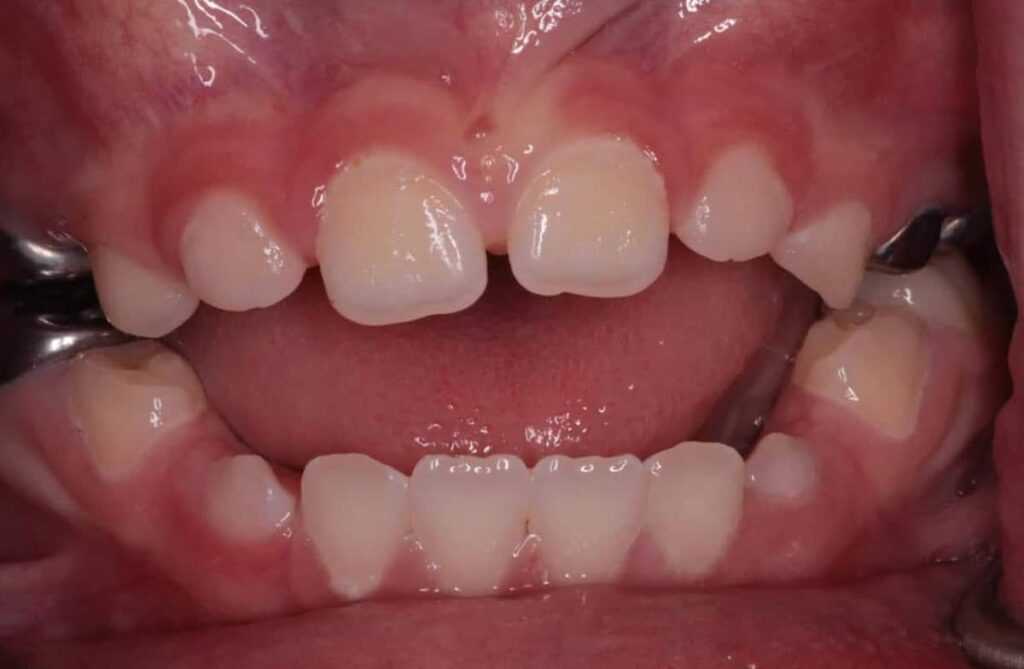

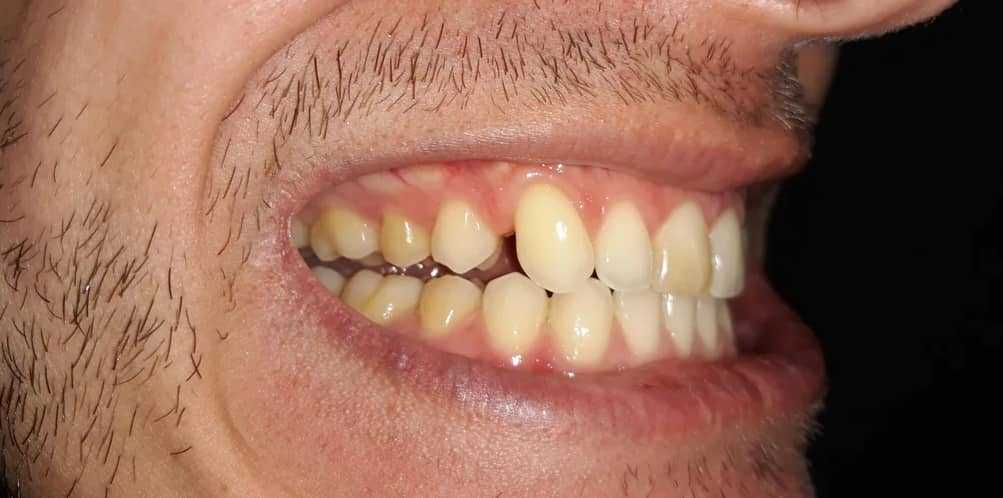
This dental and jaw anomaly shows up as a gap between the rows of teeth when you try to close your jaws tightly. Many people assume it’s purely a cosmetic flaw, but an open bite can actually cause speech problems, digestive issues, and premature wear of the temporomandibular joint.
The condition occurs in patients of all ages, but MED-DEO’s clinical practice shows that timely correction of an open bite can achieve full results. Treatment started before age 12 can help avoid radical measures in adulthood, since a child’s jaw and facial structures are most responsive to therapy during this period. Each case requires a thorough examination to determine the best course of action.
What an Open Bite Is and What It Looks Like
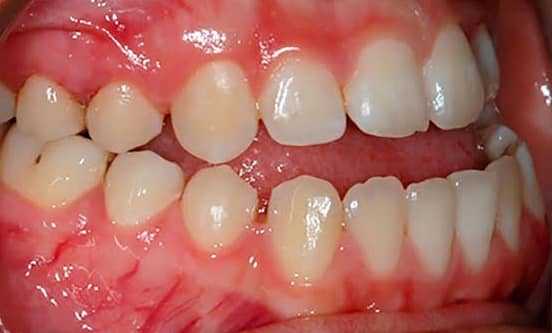
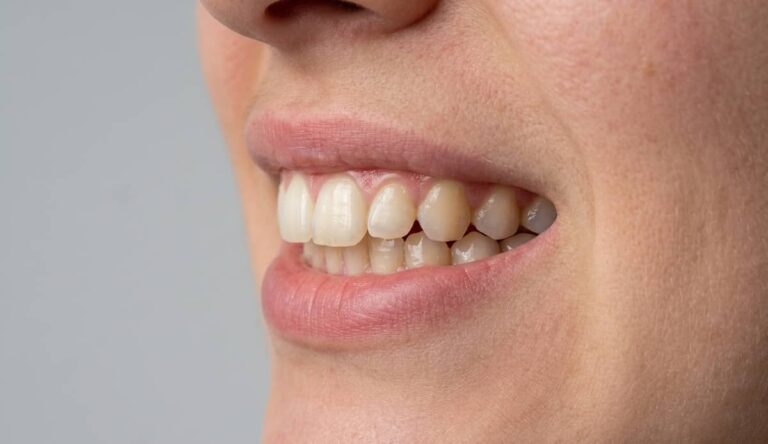
The essence of the anomaly is a lack of contact between certain groups of teeth. In medicine, this condition is known as vertical dysocclusion. It appears as a gap, most often in the front of the mouth, though it can also occur at the sides.
Anyone can suspect this problem just by looking in the mirror. If you notice that your mouth doesn’t close fully and a gap remains between your teeth, it’s time to see a doctor.
With a deep bite, the upper row of teeth overlaps the lower one too much. An open bite, by contrast, calls for a different approach to diagnosis and treatment.
Why an Open Bite Develops: Main Causes
The defect results from internal or external factors that prevent the jaws from closing normally. Functional imbalance often plays the leading role, particularly an incorrect tongue position. With an infantile swallowing pattern, where the tongue constantly presses against the teeth, the mechanical force gradually pushes the rows of teeth apart, and an open bite becomes noticeable even at an early age.
Systemic disorders such as rickets, which softens bone tissue, are also significant causes. Genetics shouldn’t be overlooked either: a hereditary predisposition increases the likelihood of developing this anomaly. In addition, ankyloglossia, or a short lingual frenulum that restricts tongue mobility, contributes to its development. MED-DEO specialists emphasize that eliminating the root cause is what prevents further bite problems.
Open Bite in Children: Why It Develops
Prolonged bad habits often lead to a misaligned bite in a child. Thumb sucking or pacifier use beyond the age of three creates constant pressure that deforms the dental arch, which is why open bite in children is such a common problem.
Mouth breathing caused by inflamed adenoids also has a considerable impact. Because the mouth stays slightly open, the cheek muscles begin pressing on the dental arches and gradually shift their position. If the deformation isn’t corrected by the time the permanent molars erupt, correction becomes impossible without professional help.
Open Bite in Adults: Heredity and Skeletal Factors
The primary factor behind a misaligned bite in adults is skeletal structure, which was already established during the period of active growth. In mature patients, the condition becomes fixed because it wasn’t corrected in time during adolescence.
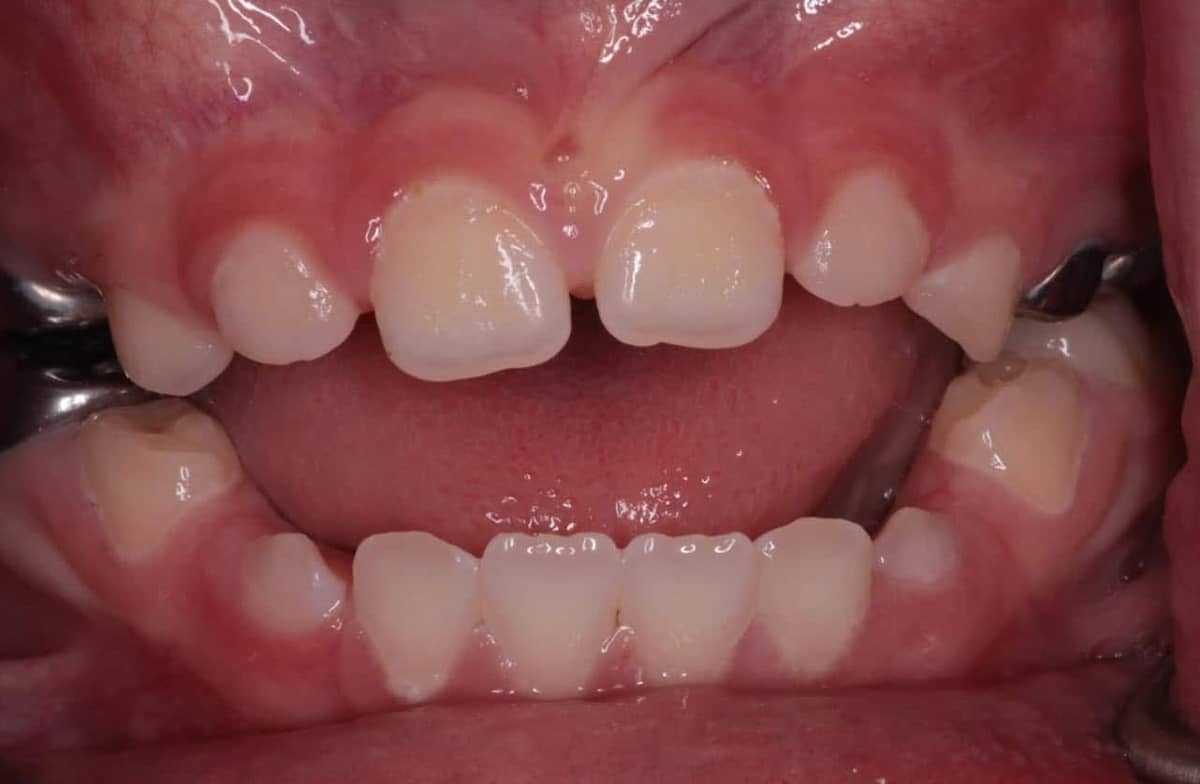
The genetic factor shows up as a tendency toward vertical jaw growth, which makes treatment prognoses somewhat more complicated. Adult bone tissue is already fully formed, so there’s no point waiting for the gap to close on its own. The sooner you start correcting an open bite, the better your chances of achieving a good result.
Open Bite Symptoms: What You Can Notice on Your Own
The main outward sign is characteristic facial asymmetry and an elongated lower part of the face. On close inspection, you may notice that the lips are tense or, conversely, that the lower lip looks slack.
Signs that need attention:
- A visible gap between the teeth.
- The tongue constantly pushing into the gap while speaking.
- Difficulty biting into food.
- Noticeable speech problems and a pronounced lisp.
If you notice a misaligned bite in your child or yourself, MED-DEO specialists recommend not putting off a consultation, as this condition requires immediate correction. Early detection of symptoms is an important prerequisite for effective treatment.
Types of Open Bite
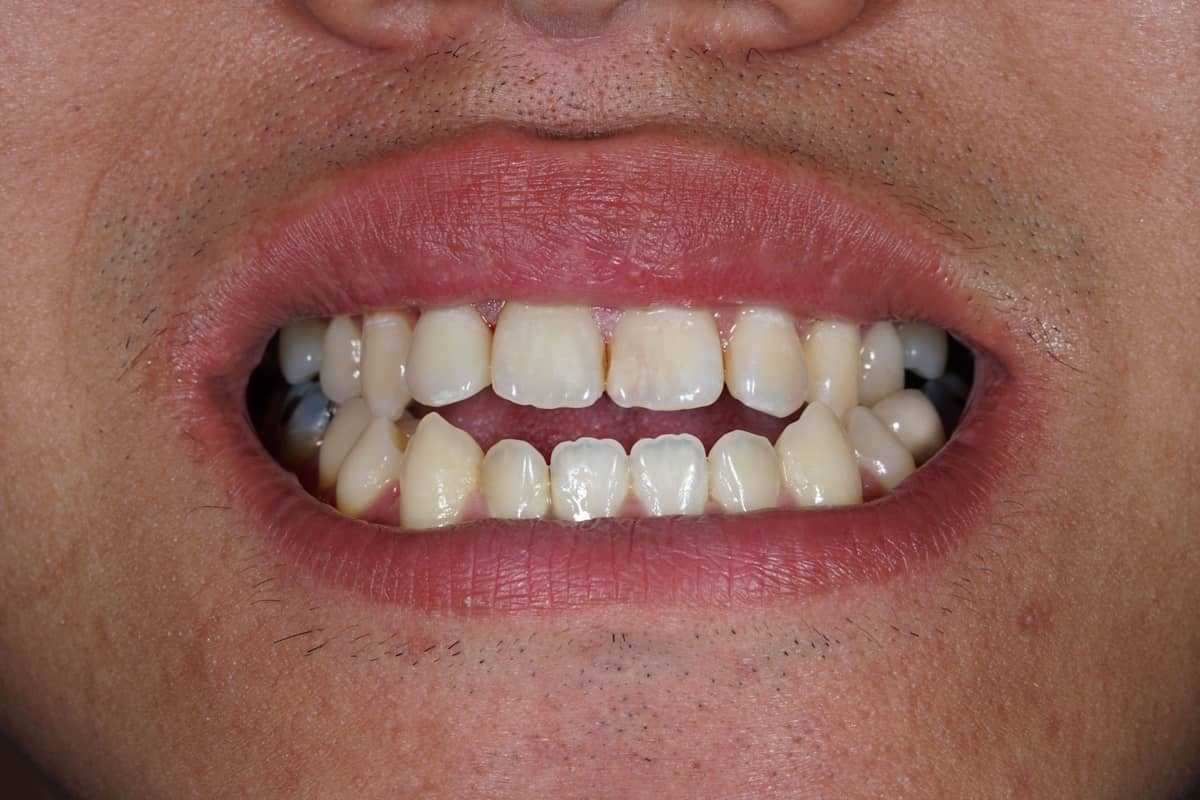
Classification is based on the causes and the location of the defect. By the location of the gap, doctors distinguish between anterior (the most common) and lateral types. By origin, there are:
- Rachitic bite, which results from impaired bone mineralization.
- Traumatic bite, caused by mechanical impact.
By severity, the condition is divided into three stages, from a small gap to a substantial distance between the teeth. Understanding the specific type is key for the orthodontist, since it determines whether braces alone will help or orthognathic surgery will be needed.
When a pronounced open bite is skeletal in nature, special appliances alone won’t be enough. Accurate diagnosis makes it possible to build a highly personalized treatment plan for each patient.
Consequences of Leaving an Open Bite Uncorrected
Ignoring the condition for a long time gradually worsens the state of the entire dental and jaw system. Because chewing forces are distributed unevenly, the side molars come under excessive pressure, which speeds up their wear and breakdown. Over time, temporomandibular joint (TMJ) problems develop, showing up as clicking or pain.
All of these factors also affect digestion, since food isn’t chewed properly. This confirms just how dangerous a misaligned bite is in adults. In addition, a constantly open mouth dries out the mucous membranes, which raises the risk of chronic ENT diseases. Delaying treatment makes things worse, and instead of simple orthodontic intervention, the patient may end up needing oral and maxillofacial surgery.
Diagnosing an Open Bite
The diagnostic process starts with a visual examination and an analysis of anthropometric measurements. The doctor evaluates:
- the condition of the dental arches;
- the degree of bite closure;
- the function of the facial muscles.
To make an accurate diagnosis, MED-DEO always uses additional methods, in particular cephalometric X-rays to study bone proportions. Computed tomography is also important for a detailed assessment of the roots and joints, as is taking dental impressions.
Dental Computed Tomography (Dental CT)
Learn more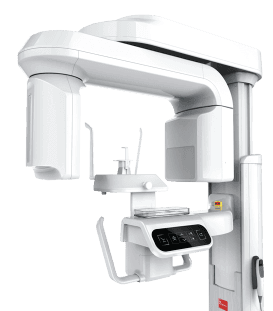
The orthodontist often brings in other specialists, such as a speech therapist to correct pronunciation or an ENT doctor if breathing problems are the cause. This comprehensive approach ensures an accurate treatment plan and minimizes risks during open bite correction.
How an Open Bite Is Corrected: Treatment Methods
The choice of method depends on the patient’s age and the severity of the anomaly. To correct the defect, MED-DEO doctors use a range of tools:
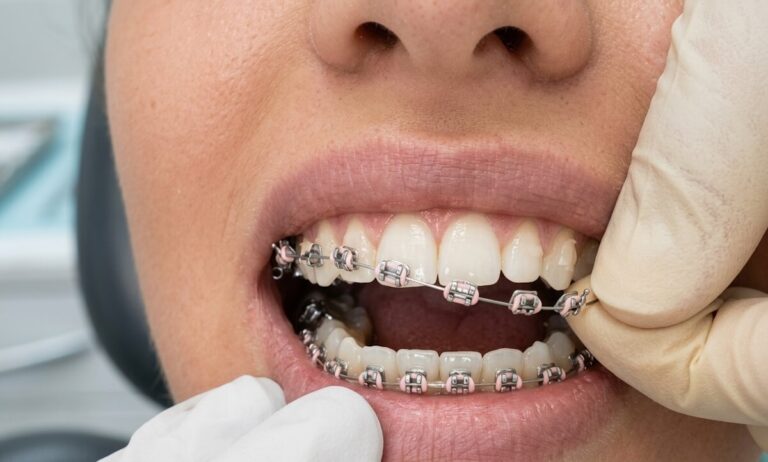
- Braces: fixed appliances for aligning the teeth.
- Aligners, including the popular clear Invisalign trays.
- Removable orthodontic plates and functional trainers.
Myofunctional therapy is always carried out alongside treatment to normalize the function of the tongue and lip muscles. After the main phase of treatment comes a retention period, during which the patient wears retainers to hold the results in place.
Remember that the strategy is chosen solely by a specialist based on clinical data, because only professional open bite correction delivers an attractive smile.
Correcting an Open Bite in Children
Up to age 6, the main goals are myofunctional exercises and eliminating risk factors. After that, orthodontic plates and trainers are actively used to guide jaw growth in the right direction. In adolescence, braces are effective.
Early intervention is the best investment, helping avoid major surgery later in life if an open bite in a child has been diagnosed. Parents should remember that regular orthodontist checkups are what allow changes to be spotted in time.
Correcting an Open Bite in Adults: Braces and Aligners
In adulthood, the alignment process takes longer because the bone tissue is fully formed.
Wearing braces usually takes 1.5 to 2.5 years. Special attention should be paid to hygiene during this time, since the appliances make oral care more difficult.
Aligners are a great alternative for those who want an aesthetic treatment option, but they aren’t suitable for every clinical case, particularly when a misaligned bite in an adult is complex. In such cases, orthodontics becomes only a preparatory stage before surgery.
Surgical Bite Correction: When Surgery Is Needed and How Much It Costs
If skeletal anomalies are too pronounced, orthodontic treatment proves ineffective. In these situations, orthognathic surgery, performed by experienced surgeons, is necessary. Many patients ask about the cost of surgical bite correction, which depends on individual factors.
The total cost is made up of several components:
- The extent of preoperative preparation.
- The complexity of the procedures.
- The choice of fixation type.
The final price usually also includes a package of postoperative follow-up care. Knowing all the expenses in advance helps you prepare mentally.
Preventing Open Bite in Children: Where to Start
Preventing this condition is much easier than treating it later. It’s important for parents to monitor their child’s habits from the earliest years. Key recommendations:
- Weaning from breastfeeding on time and introducing solid foods to stimulate the chewing apparatus.
- Giving up the pacifier by age 2.
- Professional correction of mouth breathing.
- Regular orthodontist checkups starting at age 6-7.
The rules are simple but very effective, because prevention is the best way to keep an open bite from developing in a child.
Questions and Answers
At what age should a child first see an orthodontist?
The first orthodontist visit is recommended at age 6-7, when active jaw growth begins, which makes it possible to detect a misaligned bite in a child at an early stage.
How long does correction with braces take?
Active treatment for adult patients with braces usually takes between 18 and 30 months. The duration depends on the complexity of the clinical picture and the individual characteristics of the patient’s body.
How does an anterior open bite differ from a lateral one?
With an anterior open bite, the vertical gap forms in the area of the incisors and canines, which is clearly visible when smiling. With a lateral open bite, the defect is located exclusively in the area of the chewing teeth.
Is effective open bite correction possible without surgery?
Treating an open bite without surgery is entirely possible if the condition is dentoalveolar in form. In that case, orthodontists successfully use braces or aligners.
What happens if an open bite isn’t treated?
Ignoring open bite treatment leads to premature enamel wear, chronic temporomandibular joint (TMJ) problems, digestive disorders, and lasting psychological discomfort.
The author of this article is Mariia Lukianyuk, a dentist specializing in orthodontics and gnathology.

Make an appointment
You can make an appointment by filling out the application form on the website, as well as using instant messengers:
Make an appointment
You can make an appointment by filling out the application form on the website, as well as using instant messengers:


Make an appointment easily using chatbots:
Also, call the numbers:
Modern dentistry and medical centre "MED-DEO"
Choose a clinic whose location is more convenient for you.
Kyiv, Holosiivska/Demiivska metro station
130 Lobanovskoho Avenue


Working hours:
Mon - Sun: 8:00 AM - 9:00 PM
No days off!
Call the numbers:
How to get to us? Create a route
Kyiv, Akademistechko metro station
78A, Irpinska str.


Working hours:
Mon-Sun: 8.00-21.00
Without days off!
Call the numbers:
How to get to us?
Create a route
Create a route
Kyiv, Heroiv Dnipra metro station
32A, Heroiv Dnipra str.


Working hours:
Mon-Sun: 8.00-21.00
Without days off!
Call the numbers:
How to get to us?
Create a route
Create a route
Kyiv, Teatralna metro station
9B, E. Chykalenko (Pushkinska) str.


Working hours:
Mon-Sat: 8.00 - 21.00. Sun: by appointment.
Without days off!
Call the numbers:
How to get to us?
Create a route
Create a route
Відгук від клієнта
0:00
0:00


Your email will not be published on the site.