Special offer! Comprehensive professional teeth cleaning for only 1699 UAH.
Special offer! Comprehensive professional teeth cleaning for only 1699 UAH.
Special offer! Comprehensive professional teeth cleaning for only 1699 UAH.
Special offer! Comprehensive professional teeth cleaning for only 1699 UAH.
Special offer! Comprehensive professional teeth cleaning for only 1699 UAH.
Special offer! Comprehensive professional teeth cleaning for only 1699 UAH.
Special offer! Comprehensive professional teeth cleaning for only 1699 UAH.
Special offer! Comprehensive professional teeth cleaning for only 1699 UAH.
Special offer! Comprehensive professional teeth cleaning for only 1699 UAH.
Special offer! Comprehensive professional teeth cleaning for only 1699 UAH.
Sign up
 (044) 394 90 94
(044) 394 90 94  Holosiivska/Demiivska metro station
Sign up
(044) 394 90 94
(044) 394 90 94
Doctors


 Prices
Blog
Contacts
Prices
Blog
Contacts
пр.Лобановського, 130, Київ, Україна
Temporarily closed
Opening soon
78A, Irpinska St., Kyiv, Ukraine
Temporarily closed
Opening soon
32A, Heroiv Dnipra St., Kyiv, Ukraine
Temporarily closed
Opening soon
9B, Yevhena Chykalenko St. (Pushkinska), Kyiv, Ukraine
Temporarily closed
Opening soon
(044) 394 90 94
Back
Dentistry
General Dentistry
Dental surgery
Dental Implants
Maxillofacial Surgery
Dental prosthetics
Cosmetic dentistry
Professional Dental Hygiene

Periodontics
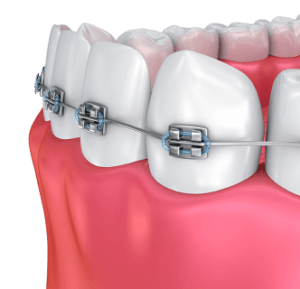
Orthodontic dentistry
Gnathology & TMJ Therapy
Pediatric Dentistry
Dental X-Rays
Back
Orthodontic Center
Orthodontic dentistry
Gnathology & TMJ Therapy
Back
Prosthodontic Center
Dental prosthetics
Back
MED-DEO Center for Maxillofacial Surgery & Facial Plastics
Maxillofacial Surgery
Plastic surgery
Back
Surgical Dental Center
Dental surgery
Dental Implants
Search on the site


Popular requests
Teeth whitening
Treatment of caries
Wisdom tooth extraction
Bracket system
Dental veneers
Tooth restoration
Pediatric dentist
Consultation with a dentist-therapist
Search results by: «».
Unfortunately, no results were found for your search: “Pediatric Endocrinologist”, nothing was found.
You may find these links useful:
Clinics "MED-DEO"
пр.Лобановського, 130, Київ, Україна
Temporarily closed
Opening soon
78A, Irpinska St., Kyiv, Ukraine
Temporarily closed
Opening soon
32A, Heroiv Dnipra St., Kyiv, Ukraine
Temporarily closed
Opening soon
9B, Yevhena Chykalenko St. (Pushkinska), Kyiv, Ukraine
Temporarily closed
Opening soon
Services
Dentistry Orthodontic Center Prosthodontic Center MED-DEO Center for Maxillofacial Surgery & Facial Plastics Surgical Dental CenterGeneral Dentistry
Dental surgery
Dental Implants
Maxillofacial Surgery
Dental prosthetics
Cosmetic dentistry
Professional Dental Hygiene
Periodontics
Orthodontic dentistry
Gnathology & TMJ Therapy
Pediatric Dentistry
Dental X-Rays
Orthodontic dentistry
Gnathology & TMJ Therapy
Dental prosthetics
Maxillofacial Surgery
Dental surgery
Dental Implants
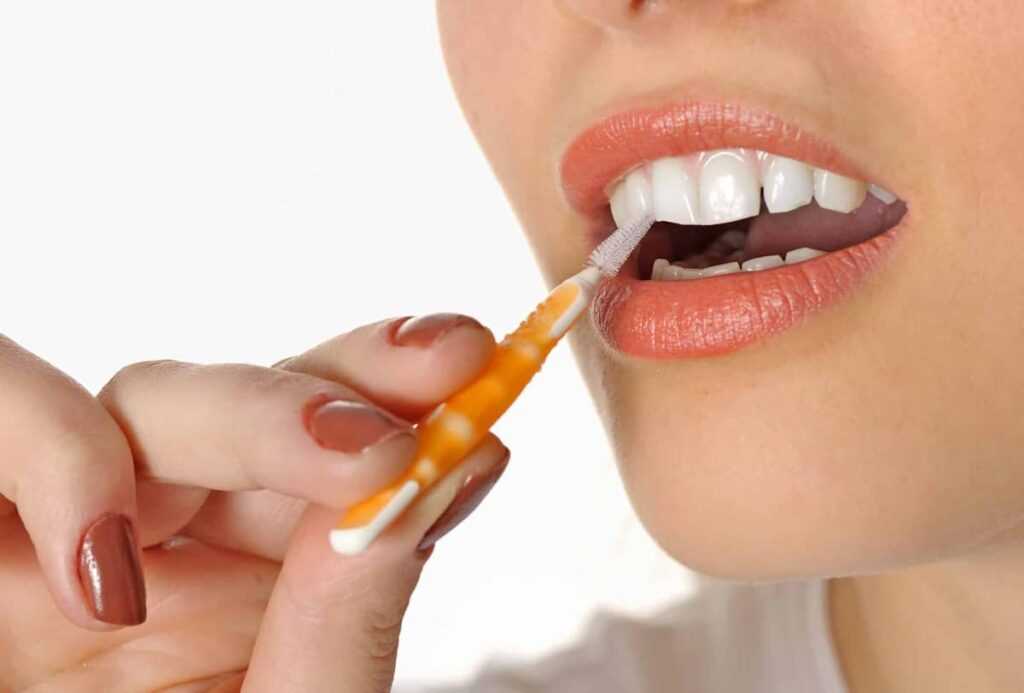

What Are Interdental Brushes and Why Do You Need Them
Interdental brushes are small, specialized brushes designed to clean the spaces between teeth — areas that a regular toothbrush simply cannot reach. In short, interdental brushes are an essential tool for thorough daily oral hygiene. They remove plaque and food debris from the spots where cavities and gum inflammation most commonly begin.
Interestingly, even specialized single-tufted toothbrushes clean only about 60–70% of tooth surfaces, leaving interdental contact areas untouched. Interdental brushes handle plaque buildup in those areas effectively.
Used regularly, interdental brushes help to:
- Remove plaque, including between teeth
- Thoroughly clean out food remnants
- Effectively prevent tooth decay
- Monitor gum health and prevent gingivitis and periodontitis
- Improve breath freshness overall
GOOD TO KNOW: In professional terminology, these brushes are also referred to as “dental brushes” or “interdental brushes” (from the Latin inter — between, dens — tooth).
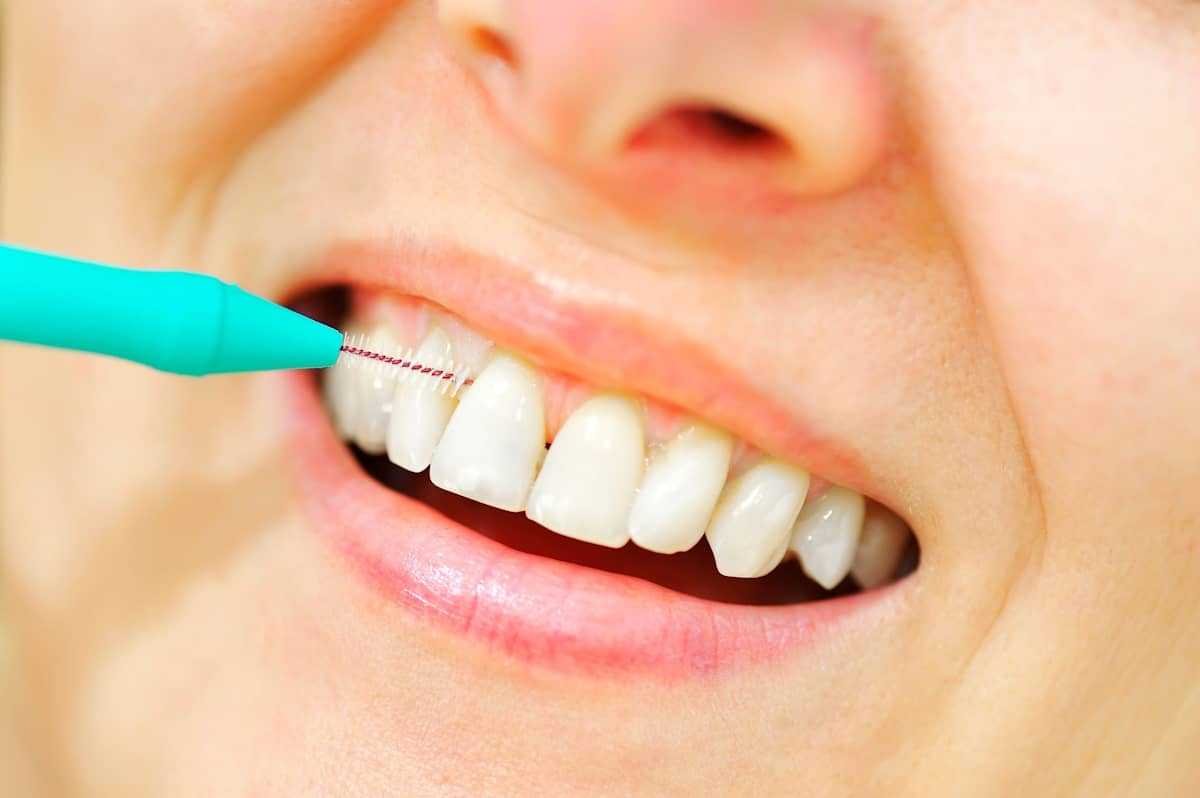
It is important to understand that interdental brushes are one part of a comprehensive approach to dental and gum health — which also includes proper brushing technique, regular toothbrush replacement, gentle gum care, and individually selected hygiene products.
Who Especially Needs Interdental Brushes
Interdental brushes are not just a tool for people with braces, as many tend to think. Although when orthodontic appliances are present, an interdental brush for braces is particularly essential — it cleans around brackets and wires far better than a regular toothbrush.
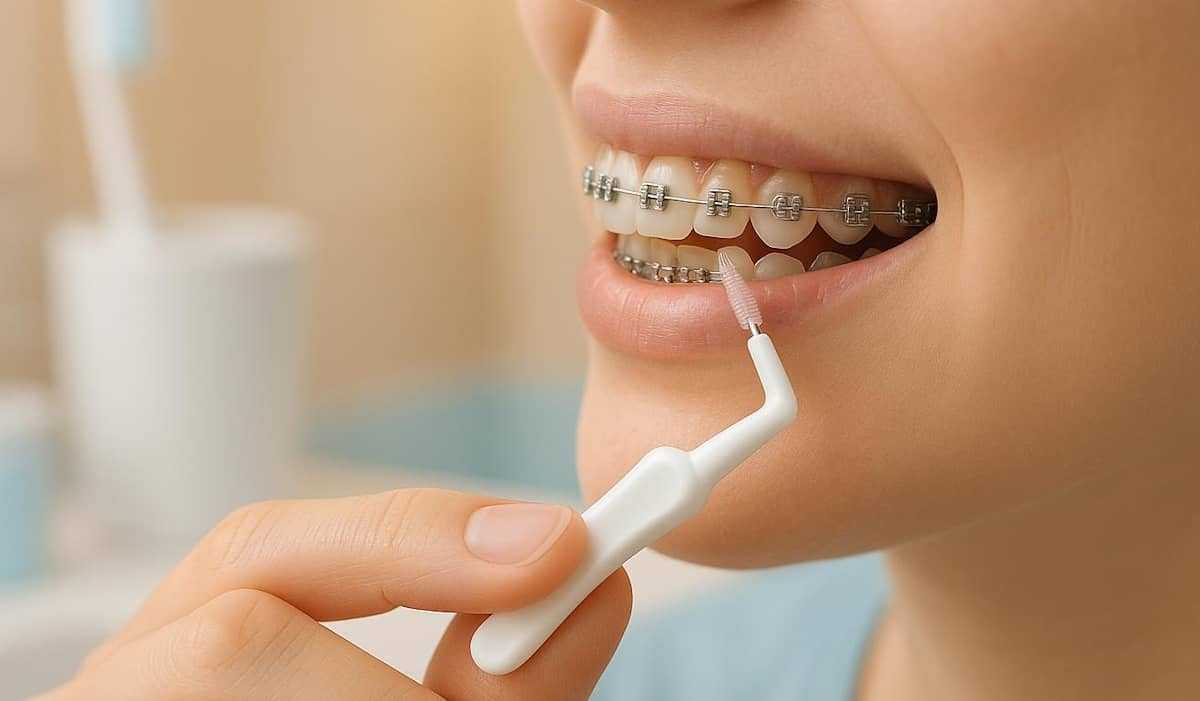
Interdental brushes are also highly beneficial for people who have:
- Any orthodontic appliances (braces, retainers, etc.)
- Crowded teeth or noticeable gaps between teeth
- Crowns, bridges, or dental implants
There are also symptoms that indicate insufficient interdental hygiene. When these are present, dentists typically recommend a consultation and the introduction of interdental brushes into the daily routine:
- Food frequently getting stuck between teeth
- Increased sensitivity of the gums or teeth
- Frequent gum irritation or bleeding
In these situations, interdental brushes move from being an optional addition to a necessary part of daily care.
How to Choose the Shape and Size of an Interdental Brush
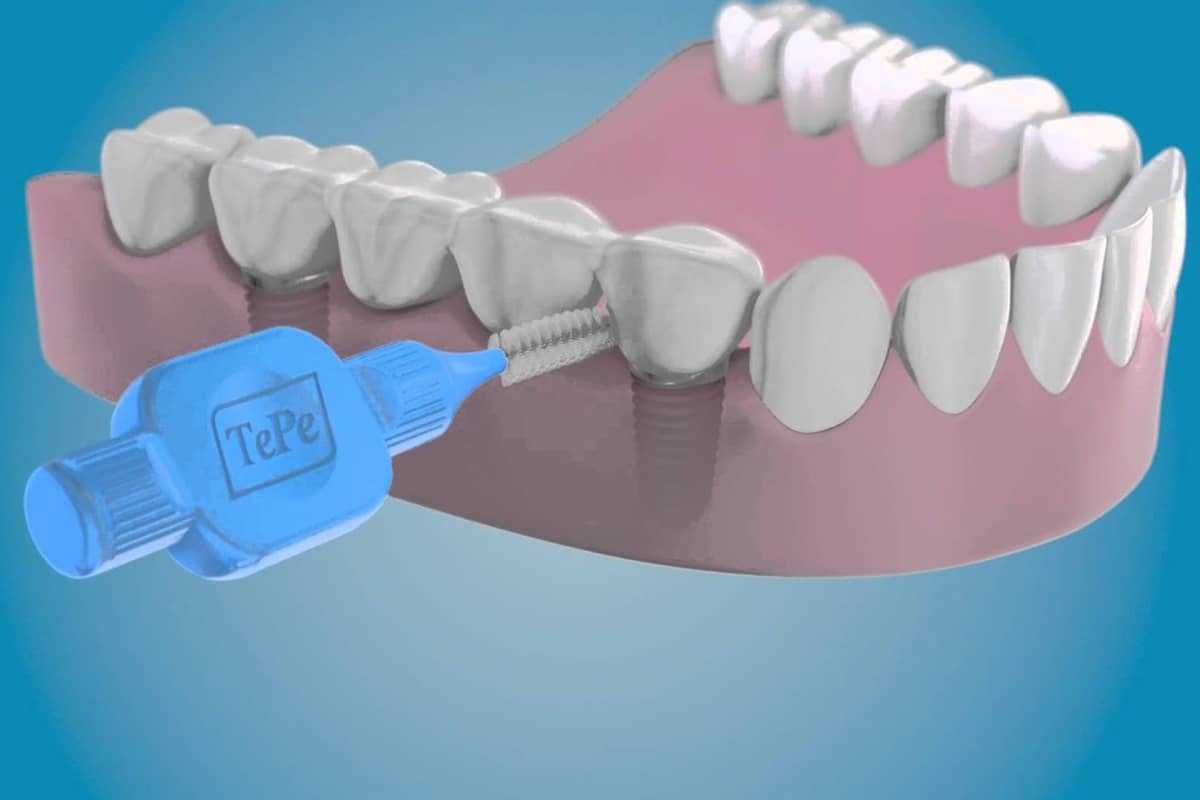
Choosing the correct brush size is key to safe and effective use. Interdental brushes must match the size of the gaps between your teeth. A brush that is too small will fail to clean thoroughly, while one that is too large may injure the gums.
Available Brush Shapes
The main shape options are:
- Cylindrical — universal brushes suited to even, uniform gaps between teeth
- Conical — better suited when the width between teeth varies
- Angled — designed to improve access to the back molars
All of these shapes are commonly used with complex dental appliances such as braces, retainers, implants, and bridges.
How to Tell You Have the Right Size
Use the following criteria as a guide:
- The brush fits snugly into the gap, but without pain
- No excessive force is needed to clean
- No scratching or sharp discomfort during use
- The brush does not get stuck or bend immediately upon insertion
- The bristles make contact with the tooth surfaces rather than floating freely in the gap
RECOMMENDATION: If you are unsure about choosing the right size on your own, consult your dentist or orthodontist for personalized guidance.
How to Use an Interdental Brush Correctly
Knowing the proper technique is just as important as having the right brush. Incorrect use can injure the gums and reduce the effectiveness of the cleaning.
Step-by-Step Technique Without Gum Trauma
The process is straightforward:
- Start with a clean interdental brush
- Gently insert it into the interdental space
- Make 2–3 smooth back-and-forth strokes
- Rinse the brush with water
- Move on to the next gap
KEY RULE: Never force the brush. Use gentle, controlled movements throughout.
Common Mistakes to Avoid
The most frequent errors include:
- Using a brush that is too large for the gap
- Trying to force the brush through with pressure
- Making sharp or aggressive movements
- Continuing to use a damaged or bent brush
- Ignoring persistent bleeding that does not resolve
REMEMBER: Even the highest-quality interdental brushes are only effective when used with a gentle, correct technique.
What Is Better: an Interdental Brush, Floss, or a Water Flosser?
The key point here is that these tools are not interchangeable — they complement one another, together forming the ideal approach to daily interdental cleaning.
- Interdental brush — the best option for visible gaps between teeth and for cleaning around orthodontic appliances
- Dental floss — better suited for very tight contacts between teeth where a brush cannot fit
- Water flosser (irrigator) — a supplementary tool for gum massage and flushing out food particles from interdental spaces
In most cases, combining two or more of these tools delivers significantly more thorough cleaning than using any single one alone.
Why Gums May Bleed and When to See a Dentist
Mild bleeding during the first few days of using an interdental brush is a normal reaction — and actually a sign that the gums were already inflamed and plaque had accumulated in those areas. The gums gradually adjust to the new cleaning routine, and this initial sensitivity typically subsides within a few days of consistent use.
That said, certain symptoms should not be ignored. See a dentist if:
- Bleeding does not stop after 5–7 days
- You experience pain or swelling of the gums
- An unpleasant odor from the mouth develops
In these cases, no brush — however small or gentle — will resolve the problem without professional treatment. A dentist can rule out inflammatory gum disease and help you select the right brush size for your specific situation.
Frequently Asked Questions
How often should I use interdental brushes? Once a day is sufficient — ideally in the evening, after brushing your teeth.
Are interdental brushes suitable for use with braces? Absolutely. They are one of the most effective supplementary hygiene tools available for people with orthodontic appliances.
How do I know if I have chosen the right size? The brush should slide into the interdental space without pain, sit snugly against the teeth, and not bend immediately on insertion. When in doubt, your dentist can help you determine the correct size at your next appointment.
Can I replace an interdental brush with dental floss? It is generally not recommended. Floss is designed for very tight contacts between teeth, while interdental brushes are better suited to wider gaps and areas around orthodontic appliances — they serve different purposes.
Why do my gums bleed after using an interdental brush? Bleeding is most often caused by gum inflammation or using a brush that is too large for the gap.
How often should I replace my toothbrush and my interdental brush? A regular toothbrush should be replaced every 3–4 months. Interdental brushes wear out faster — replace them as soon as they begin to bend, typically after 1–2 weeks of use.
Written by Vitalina Zubrii, Pediatric Dentist & Restorative Dentist



Make an appointment
You can make an appointment by filling out the application form on the website, as well as using instant messengers:
Make an appointment
You can make an appointment by filling out the application form on the website, as well as using instant messengers:


Make an appointment easily using chatbots:
Also, call the numbers:
Modern dentistry and medical centre "MED-DEO"
Choose a clinic whose location is more convenient for you.
Kyiv, Holosiivska/Demiivska metro station
130 Lobanovskoho Avenue


Working hours:
Mon - Sun: 8:00 AM - 9:00 PM
No days off!
Call the numbers:
How to get to us? Create a route
Create a route
Kyiv, Akademistechko metro station
78A, Irpinska str.


Working hours:
Mon-Sun: 8.00-21.00
Without days off!
Call the numbers:
How to get to us?
Create a route
Create a route
Kyiv, Heroiv Dnipra metro station
32A, Heroiv Dnipra str.
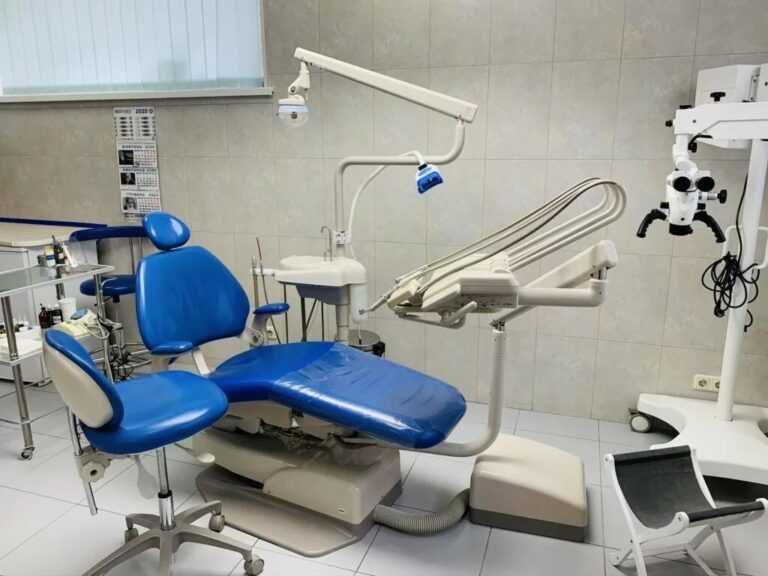
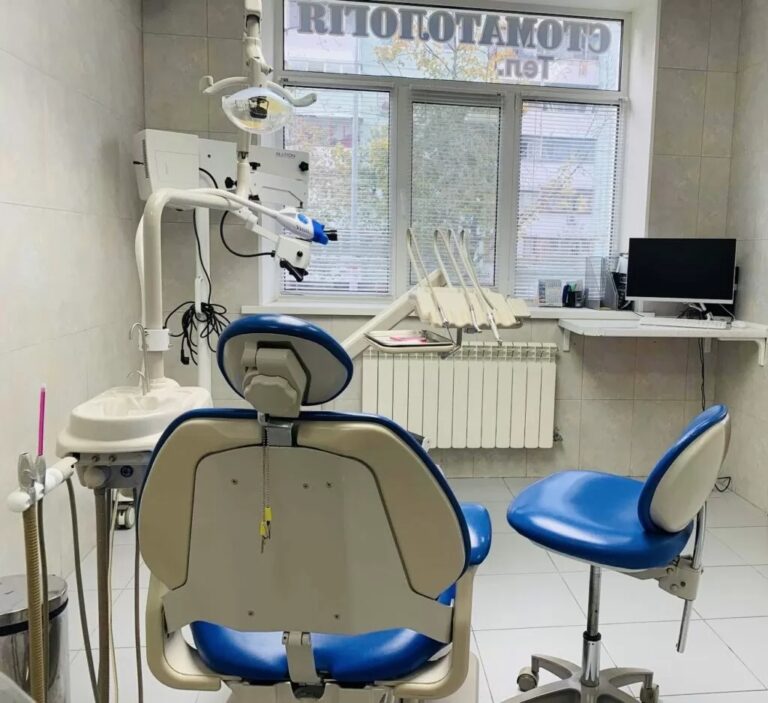
Working hours:
Mon-Sun: 8.00-21.00
Without days off!
Call the numbers:
How to get to us?
Create a route
Create a route
Kyiv, Teatralna metro station
9B, E. Chykalenko (Pushkinska) str.

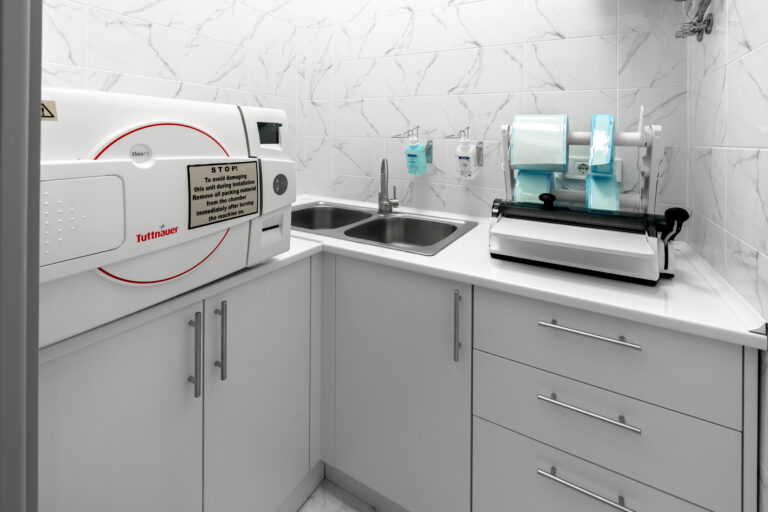


Working hours:
Mon-Sat: 8.00 - 21.00. Sun: by appointment.
Without days off!
Call the numbers:
How to get to us?
Create a route
Create a route
Відгук від клієнта
0:00
0:00


Your email will not be published on the site.