Special offer! Comprehensive professional teeth cleaning for only 1699 UAH.
Special offer! Comprehensive professional teeth cleaning for only 1699 UAH.
Special offer! Comprehensive professional teeth cleaning for only 1699 UAH.
Special offer! Comprehensive professional teeth cleaning for only 1699 UAH.
Special offer! Comprehensive professional teeth cleaning for only 1699 UAH.
Special offer! Comprehensive professional teeth cleaning for only 1699 UAH.
Special offer! Comprehensive professional teeth cleaning for only 1699 UAH.
Special offer! Comprehensive professional teeth cleaning for only 1699 UAH.
Special offer! Comprehensive professional teeth cleaning for only 1699 UAH.
Special offer! Comprehensive professional teeth cleaning for only 1699 UAH.
Sign up
 (044) 394 90 94
(044) 394 90 94  Holosiivska/Demiivska metro station
Sign up
(044) 394 90 94
(044) 394 90 94
Doctors


 Prices
Blog
Contacts
Prices
Blog
Contacts
пр.Лобановського, 130, Київ, Україна
Temporarily closed
Opening soon
78A, Irpinska St., Kyiv, Ukraine
Temporarily closed
Opening soon
32A, Heroiv Dnipra St., Kyiv, Ukraine
Temporarily closed
Opening soon
9B, Yevhena Chykalenko St. (Pushkinska), Kyiv, Ukraine
Temporarily closed
Opening soon
(044) 394 90 94
Back
Dentistry
General Dentistry
Dental surgery
Dental Implants
Maxillofacial Surgery
Dental prosthetics
Cosmetic dentistry

Professional Dental Hygiene

Periodontics
Orthodontic dentistry

Gnathology & TMJ Therapy
Pediatric Dentistry

Dental X-Rays
Back
Orthodontic Center
Orthodontic dentistry
Gnathology & TMJ Therapy
Back
Prosthodontic Center
Dental prosthetics
Back
MED-DEO Center for Maxillofacial Surgery & Facial Plastics
Maxillofacial Surgery
Plastic surgery
Back
Surgical Dental Center
Dental surgery
Dental Implants
Search on the site


Popular requests
Teeth whitening
Treatment of caries
Wisdom tooth extraction
Bracket system
Dental veneers
Tooth restoration
Pediatric dentist
Consultation with a dentist-therapist
Search results by: «».
Unfortunately, no results were found for your search: “Pediatric Endocrinologist”, nothing was found.
You may find these links useful:
Clinics "MED-DEO"
пр.Лобановського, 130, Київ, Україна
Temporarily closed
Opening soon
78A, Irpinska St., Kyiv, Ukraine
Temporarily closed
Opening soon
32A, Heroiv Dnipra St., Kyiv, Ukraine
Temporarily closed
Opening soon
9B, Yevhena Chykalenko St. (Pushkinska), Kyiv, Ukraine
Temporarily closed
Opening soon
Services
Dentistry Orthodontic Center Prosthodontic Center MED-DEO Center for Maxillofacial Surgery & Facial Plastics Surgical Dental CenterGeneral Dentistry
Dental surgery
Dental Implants
Maxillofacial Surgery
Dental prosthetics
Cosmetic dentistry
Professional Dental Hygiene
Periodontics
Orthodontic dentistry
Gnathology & TMJ Therapy
Pediatric Dentistry
Dental X-Rays
Orthodontic dentistry
Gnathology & TMJ Therapy
Dental prosthetics
Maxillofacial Surgery
Dental surgery
Dental Implants
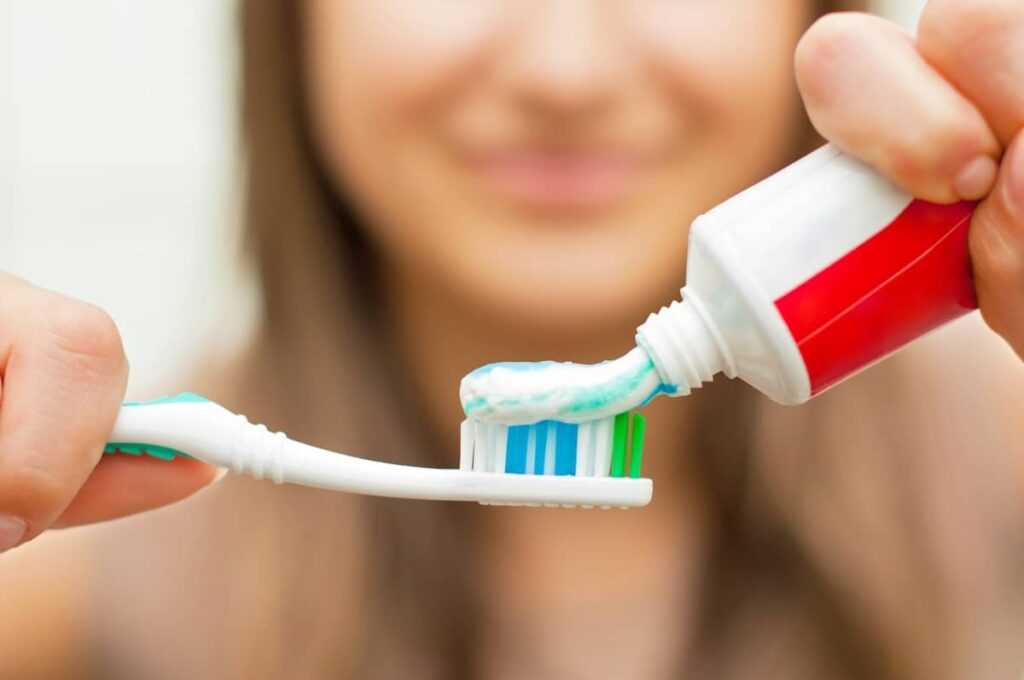

Why There’s No Single “Best” Toothpaste
The toothpaste market today is remarkably diverse. Brands promise everything – whiter teeth, cavity protection, stronger enamel, healthier gums. With so many options, it’s no wonder people struggle to figure out which toothpaste is right for them.
The truth is, toothpaste is an important part of your at-home oral care routine – but it’s no substitute for professional dental treatment and regular check-ups. Yes, a toothpaste chosen specifically for your needs can help maintain healthy teeth and gums, but even that depends on many factors: whether it’s actually the right formula for you, how consistently you brush, and whether your technique is correct.
There is no one-size-fits-all perfect toothpaste. The question of which toothpaste is best comes down to individual factors such as:
- Enamel condition
- Tooth sensitivity
- Gum health
- Cavity risk
- Dietary habits
- Lifestyle habits (smoking, coffee, etc.)
- Whether you wear braces or dentures
- Age and other personal characteristics
A toothpaste that works perfectly for one person may do very little for another. Beyond choosing the right toothpaste, dentists also stress the basics: brush twice a day, use a soft-bristled toothbrush (unless advised otherwise), and use the correct brushing technique. Don’t neglect plaque between teeth – floss or use interdental brushes regularly. And of course, visiting your dentist for a check-up and professional cleaning roughly every six months is one of the most effective things you can do for your long-term oral health.
Types of Toothpaste – and Which One Is Right for You
The modern toothpaste aisle offers a lot to choose from. But making a smart, practical choice starts with understanding what each type is designed to do. Rather than reaching for a heavily advertised brand, focus on what your teeth and gums actually need. Your dentist can always guide you here.
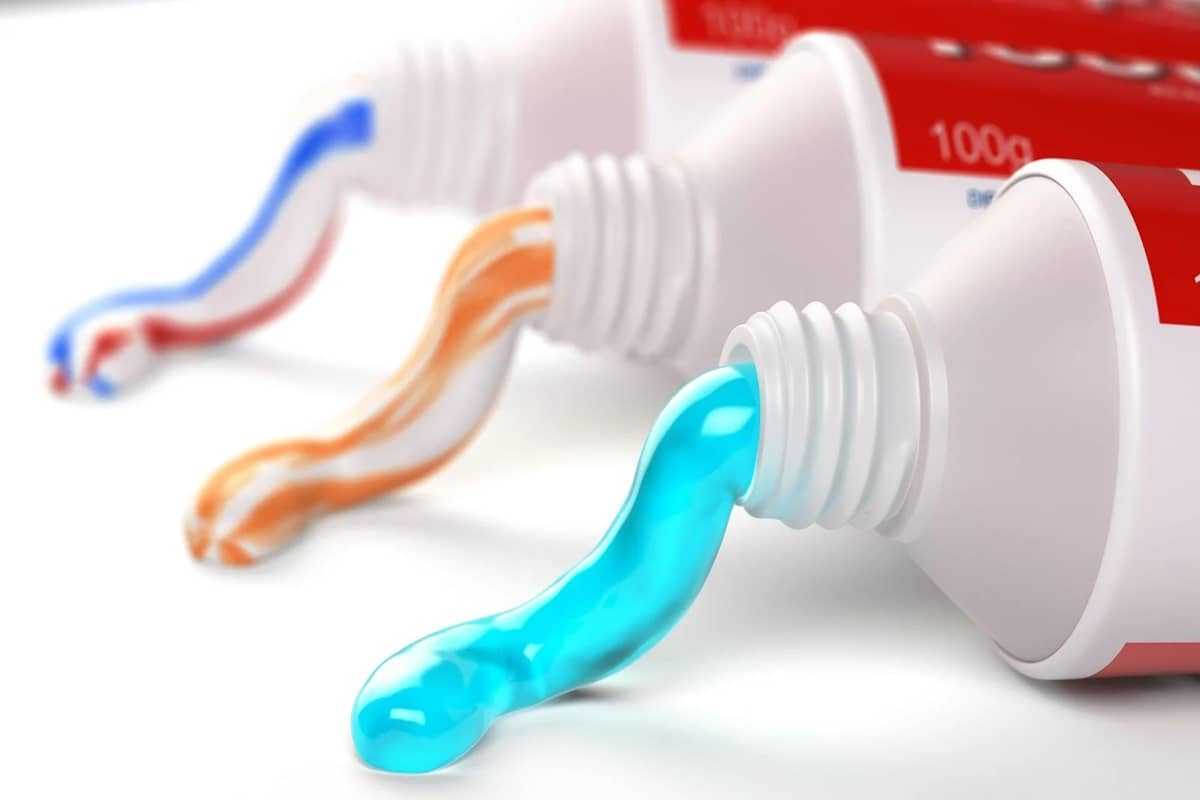
For Everyday Use
Everyday toothpaste is designed for routine plaque removal and general oral health maintenance – in other words, a solid daily toothpaste when you don’t have any specific dental concerns. Here’s what to look for in a good daily toothpaste:
- Gently cleans enamel
- Has moderate abrasiveness
- Supports a healthy oral microbiome
- Contains no harsh or aggressive ingredients
- Doesn’t cause irritation
- Is suitable for long-term daily use (check with your dentist if unsure)
Most everyday toothpastes today include cavity-prevention ingredients and compounds that help maintain enamel’s mineral balance.
For Sensitive Teeth
Toothpaste for sensitive teeth is the right choice when you experience discomfort from hot or cold food and drinks, or reactions to sweet or acidic foods. This sensitivity – a brief, sharp pain or lingering discomfort – can occur while eating, drinking, or even brushing.
Sensitive-teeth formulas should contain ingredients that reduce sensitivity, strengthen enamel, and support its mineral structure – such as fluorides, potassium nitrate, and arginine.
One important note: aggressive whitening is a bad idea if your teeth are sensitive. It can actually make the problem worse and cause additional irritation.
The best toothpaste for sensitive teeth is usually chosen on a case-by-case basis, since the underlying causes of sensitivity vary from person to person.
For Cavity Prevention, Plaque Control, and Gum Health
When selecting a toothpaste, it helps to be clear about what you’re trying to address:
- Cavity protection – especially important if you eat a lot of sugar or have a history of frequent cavities. Look for a fluoride toothpaste suitable for daily use.
- Plaque control – to prevent plaque from building up and hardening into tartar. An anti-tartar toothpaste should clean effectively but gently, without being overly abrasive. Keep in mind: toothpaste cannot remove tartar that has already formed – only a professional cleaning can do that.
- Gum care – recommended if you experience frequent bleeding, swelling, or tenderness in your gums. A toothpaste for gum inflammation should support daily hygiene, help reduce bleeding and irritation, and be free of harsh ingredients.
It’s worth understanding the difference between preventive use and a course of therapeutic toothpaste. A preventive toothpaste is designed for daily, ongoing use. A therapeutic toothpaste, on the other hand, is typically prescribed by a dentist for a specific period to address a specific problem.
How to Read a Toothpaste Label
Most people pay attention to marketing claims rather than the actual ingredient list – but the ingredients are what matter. Active components determine how a product actually works. Abrasiveness is also worth paying attention to, since overly aggressive formulas can be damaging, especially for people with sensitive enamel.
You don’t need to be a chemist to decode a toothpaste label. You just need to know which key ingredients to look for – and which ones to approach with caution.
Beneficial Ingredients
Fluoride is one of the most well-researched ingredients in oral care. It strengthens enamel and is highly effective at preventing cavities. In recent years, hydroxyapatite has also been gaining popularity – it’s a compound that closely resembles the mineral structure of natural teeth and plays an active role in enamel remineralization.
Calcium can also be a useful addition in some cases, though compared to fluoride, it plays more of a supporting role in maintaining enamel strength.
For those looking to reduce tooth sensitivity, potassium nitrate is worth seeking out in the ingredient list – though fluoride also contributes to reduced sensitivity.
For gum health, look for toothpastes containing plant-based extracts (such as chamomile or sage), anti-inflammatory ingredients, and antibacterial agents like zinc or chlorhexidine.
Ingredients to Use with Caution
Not all active ingredients are suitable for daily, long-term use – some require careful consideration.
Whitening toothpastes, for example, aren’t right for everyone. They typically contain more abrasive particles, and using them without a dentist’s recommendation can thin the enamel and significantly increase sensitivity.
Antiseptic ingredients also call for caution. Toothpastes containing them are generally intended for short-term, course-based use as directed by a dentist – for example, when you’re dealing with bleeding or actively inflamed gums.
That said, a “safe” toothpaste isn’t simply one with fewer ingredients. It’s one that’s appropriate for the individual using it and is being used as intended.
Fluoride Toothpaste or Fluoride-Free: Which Should You Choose?
“Fluoride or no fluoride?” is one of the most common questions when it comes to toothpaste selection. And honestly, there’s no universal answer.
For most people, fluoride is an effective tool for cavity prevention. But the right choice depends on factors like age, personal cavity risk, whether you tend to swallow toothpaste, and sometimes even the fluoride content of your local drinking water.
This question deserves particular attention when it comes to children. Young children do use fluoride toothpaste – but at much lower concentrations than adults. The appropriate formula is determined by a pediatric dentist. One key consideration: children are more likely to swallow toothpaste while brushing, which means they could ingest excess fluoride. In large amounts, this is undesirable – it can lead to fluorosis, a condition that affects the structure and color of developing enamel.
Quick reference:
With fluoride:
- Reduces cavity risk
- Strengthens enamel
- Not equally suitable for everyone
Without fluoride:
- Sometimes the right choice for young children
- May be appropriate in cases of individual intolerance
Bottom line: Even the best toothpastes – fluoride or fluoride-free – should be chosen based on individual needs. That’s what dentists recommend today.
How to Choose a Toothpaste for Your Child by Age
Parents often want to know: what’s the best toothpaste for kids? The most important factors are age, the formula’s ingredients, and how closely adults supervise the brushing process – including how much toothpaste is used.
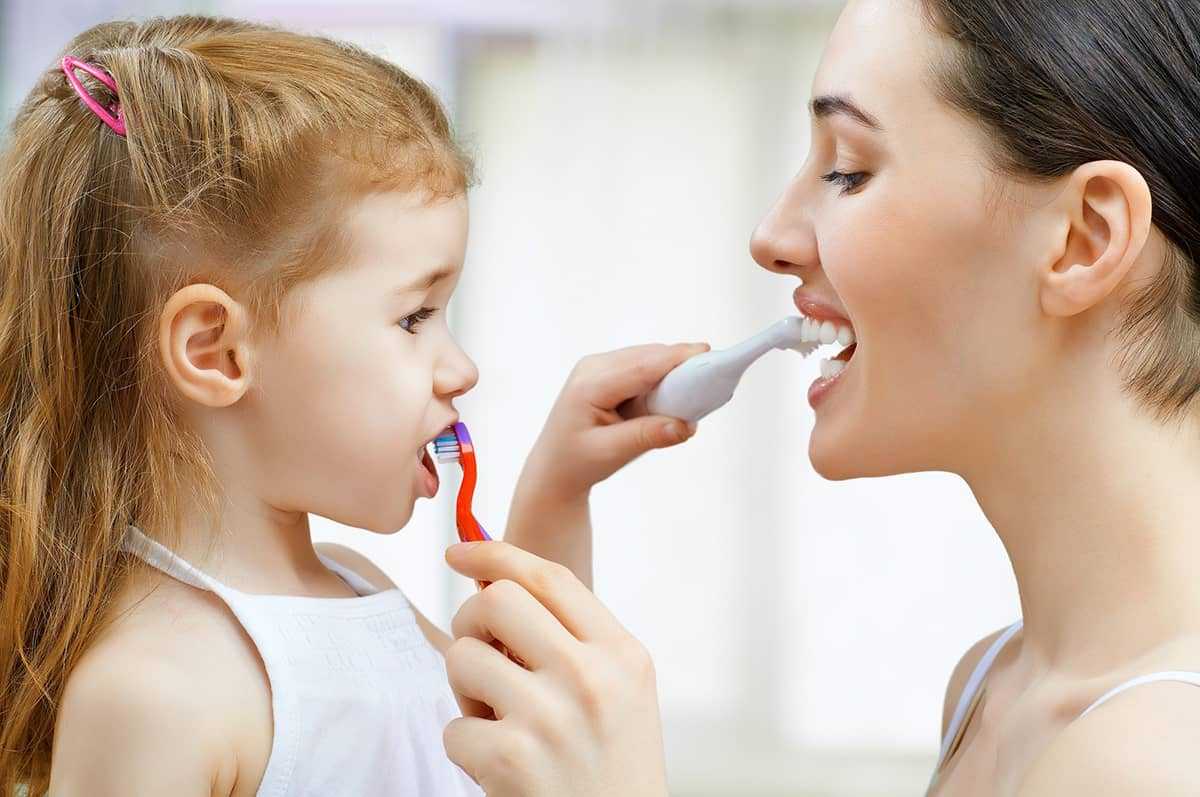
Children’s toothpaste is generally selected by age group. Here’s what that looks like in practice.
Ages 0-3
For the youngest children, use a toothpaste specifically formulated and labeled for this age group. At this stage, the priority is using a minimal amount of product and supervising brushing closely. Even the safest children’s toothpaste should not be swallowed in any significant quantity. The main goal at this age is simply building the habit of daily oral hygiene from the very start.
Ages 3-6
Preschool-age children are beginning to brush on their own – but parental supervision remains essential. When choosing a toothpaste for this age group, don’t let flavors or colorful packaging be the deciding factor (though those things do capture younger children’s attention). Focus instead on the active ingredients: their safety and their effectiveness. At this stage, the right balance between cavity prevention and safe use is key.
Ages 6+ and Teenagers
After age six, many children can use toothpastes with formulas closer to adult products – not just children’s varieties, but more universal options as well. That said, individual circumstances still matter: if your child has braces, a strong tendency toward cavities, or sensitive enamel, a dentist may recommend a more tailored product.
For any age, the best toothpaste for a child isn’t the most well-known brand – it’s the one that meets their specific needs.
What Toothpaste Do Dentists Recommend? Criteria Over Brand Rankings
Patients often search for the “top-rated” toothpastes. But dentists don’t evaluate toothpastes by brand popularity – they evaluate how well a product fits a patient’s individual needs. That’s the right and most effective approach.
Dental consultation
Dental Consultation in Kyiv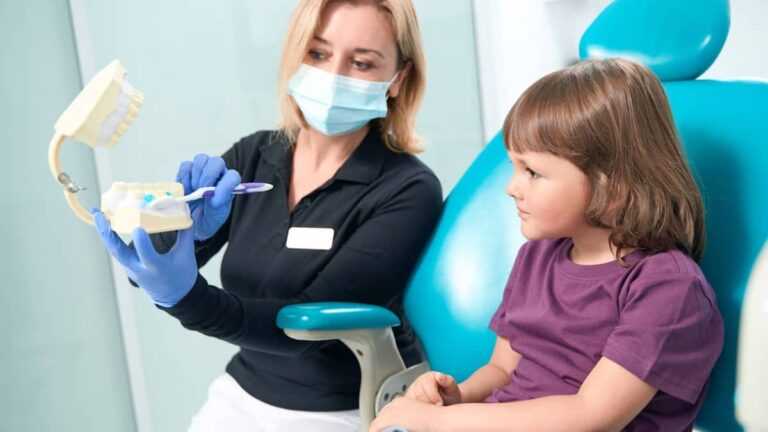
So the question of what toothpaste dentists recommend really depends on what the patient is dealing with: cavity prevention, reducing gum inflammation, or simply maintaining everyday hygiene. The presence of orthodontic appliances is another important factor. Even well-known “professional” toothpastes need to be chosen based on clinical indication.
A dentist will start by assessing the patient’s concerns, enamel and gum condition, and age. In general, though, dentists use two main criteria when recommending a toothpaste: symptoms and lifestyle.
Choosing by Symptom
- Tooth sensitivity → A low-abrasion toothpaste with desensitizing ingredients (fluoride, potassium nitrate)
- Bleeding or inflamed gums → A toothpaste with anti-inflammatory plant extracts and antiseptic zinc; typically used as a course of treatment
- Cavity-prone teeth → A fluoride toothpaste that strengthens enamel and helps control plaque buildup; used daily for ongoing prevention
- Frequent plaque or tartar buildup → A toothpaste with good cleaning power but not overly abrasive; proper brushing technique is even more important here
- Bad breath → A toothpaste with zinc, antiseptic ingredients, and compounds that control bacterial plaque and support gum health
- Enamel microcracks → A remineralizing toothpaste (with fluoride and calcium) that avoids high abrasiveness or whitening agents
- Yellow-toned teeth → A whitening toothpaste can remove surface stains, but it won’t noticeably change the natural shade of your enamel – and it may increase sensitivity. Even the best whitening toothpaste should be chosen in consultation with your dentist.
Choosing by Lifestyle and Clinical Situation
- Smokers and heavy coffee or tea drinkers → Toothpastes with stronger cleaning action but without harsh abrasive particles; look for ingredients that lift pigment stains and gently polish enamel (enzymes, zinc, calcium carbonate)
- People wearing braces or other orthodontic appliances → Gentle formulas that won’t damage enamel but clean effectively; fluoride is recommended, as plaque tends to accumulate faster around orthodontic hardware
- Dry mouth or disease-related cavity risk → Fluoride toothpaste for cavity prevention, plus protective ingredients that support saliva composition (hydroxyapatite, xylitol, arginine); avoid anything that irritates the mucous membranes
- Pregnancy or breastfeeding → Safety first – choose a gentle, fluoride-based daily toothpaste with no aggressive ingredients; ideally selected after consulting your dentist
- Children → Age-appropriate toothpaste with controlled fluoride content; best chosen with the help of a pediatric dentist
FAQ
What’s the best toothpaste for everyday use?
The best daily toothpaste is the one that suits your specific needs. Generally speaking, look for moderate abrasiveness, no aggressive whitening agents, and basic enamel protection.
Fluoride or fluoride-free – which is better?
It depends on your individual situation. For most people, fluoride toothpaste is the right choice because of its proven ability to protect against cavities.
Which toothpaste should I use for sensitive teeth?
Look for a toothpaste labeled specifically for sensitive teeth. These formulas contain ingredients that reduce reactions to cold, heat, and sweetness. It’s especially important to avoid any whitening ingredients.
Can I use whitening toothpaste every day?
Daily use of whitening toothpaste isn’t recommended. These products have higher abrasiveness and are better suited for occasional use.
What’s the best toothpaste for kids?
The best children’s toothpaste is one chosen for the child’s age and verified to be safe. What matters isn’t the flavor – it’s the formula, and making sure parents supervise to prevent swallowing.
Does anti-tartar toothpaste actually remove tartar?
No – it can slow tartar formation, but it can’t remove tartar that’s already there. Only a professional cleaning can do that.
When should a dentist prescribe a therapeutic toothpaste?
When there’s a specific clinical issue: high cavity risk, gum inflammation, or significant tooth sensitivity. Therapeutic toothpastes are used as a defined course of treatment, not indefinitely.
The author of the article is Halyna Hrushetska, a general dentist.

Make an appointment
You can make an appointment by filling out the application form on the website, as well as using instant messengers:
Make an appointment
You can make an appointment by filling out the application form on the website, as well as using instant messengers:


Make an appointment easily using chatbots:
Also, call the numbers:
Modern dentistry and medical centre "MED-DEO"
Choose a clinic whose location is more convenient for you.
Kyiv, Holosiivska/Demiivska metro station
130 Lobanovskoho Avenue


Working hours:
Mon - Sun: 8:00 AM - 9:00 PM
No days off!
Call the numbers:
How to get to us? Create a route
Create a route
Kyiv, Akademistechko metro station
78A, Irpinska str.



Working hours:
Mon-Sun: 8.00-21.00
Without days off!
Call the numbers:
How to get to us?
Create a route
Create a route
Kyiv, Heroiv Dnipra metro station
32A, Heroiv Dnipra str.
Working hours:
Mon-Sun: 8.00-21.00
Without days off!
Call the numbers:
How to get to us?
Create a route
Create a route
Kyiv, Teatralna metro station
9B, E. Chykalenko (Pushkinska) str.




Working hours:
Mon-Sat: 8.00 - 21.00. Sun: by appointment.
Without days off!
Call the numbers:
How to get to us?
Create a route
Create a route
Відгук від клієнта
0:00
0:00


Your email will not be published on the site.