Special offer! Comprehensive professional teeth cleaning for only 1699 UAH.
Special offer! Comprehensive professional teeth cleaning for only 1699 UAH.
Special offer! Comprehensive professional teeth cleaning for only 1699 UAH.
Special offer! Comprehensive professional teeth cleaning for only 1699 UAH.
Special offer! Comprehensive professional teeth cleaning for only 1699 UAH.
Special offer! Comprehensive professional teeth cleaning for only 1699 UAH.
Special offer! Comprehensive professional teeth cleaning for only 1699 UAH.
Special offer! Comprehensive professional teeth cleaning for only 1699 UAH.
Special offer! Comprehensive professional teeth cleaning for only 1699 UAH.
Special offer! Comprehensive professional teeth cleaning for only 1699 UAH.
Sign up
 (044) 394 90 94
  Holosiivska/Demiivska metro station
Doctors


 Prices
Blog
Contacts
пр.Лобановського, 130, Київ, Україна
Temporarily closed
Opening soon
78A, Irpinska St., Kyiv, Ukraine
Temporarily closed
Opening soon
32A, Heroiv Dnipra St., Kyiv, Ukraine
Temporarily closed
Opening soon
9B, Yevhena Chykalenko St. (Pushkinska), Kyiv, Ukraine
Temporarily closed
Opening soon
Sign up
En
(044) 394 90 94
Back
Dentistry
General Dentistry
Dental surgery
Dental Implants
Maxillofacial Surgery
Dental prosthetics
Cosmetic dentistry
Professional Dental Hygiene

Periodontics
Orthodontic dentistry
Gnathology & TMJ Therapy

Pediatric Dentistry
Dental X-Rays
Back
Orthodontic Center
Orthodontic dentistry
Gnathology & TMJ Therapy
Back
Prosthodontic Center
Dental prosthetics
Back
MED-DEO Center for Maxillofacial Surgery & Facial Plastics
Maxillofacial Surgery
Plastic surgery
Back
Surgical Dental Center
Dental surgery
Dental Implants
Search on the site


Popular requests
Teeth whitening
Treatment of caries
Wisdom tooth extraction
Bracket system
Dental veneers
Tooth restoration
Pediatric dentist
Consultation with a dentist-therapist
Search results by: «».
Unfortunately, no results were found for your search: “Pediatric Endocrinologist”, nothing was found.
You may find these links useful:
Clinics "MED-DEO"
пр.Лобановського, 130, Київ, Україна
Temporarily closed
Opening soon
78A, Irpinska St., Kyiv, Ukraine
Temporarily closed
Opening soon
32A, Heroiv Dnipra St., Kyiv, Ukraine
Temporarily closed
Opening soon
9B, Yevhena Chykalenko St. (Pushkinska), Kyiv, Ukraine
Temporarily closed
Opening soon
Services
Dentistry Orthodontic Center Prosthodontic Center MED-DEO Center for Maxillofacial Surgery & Facial Plastics Surgical Dental CenterGeneral Dentistry
Dental surgery
Dental Implants
Maxillofacial Surgery
Dental prosthetics
Cosmetic dentistry
Professional Dental Hygiene
Periodontics
Orthodontic dentistry
Gnathology & TMJ Therapy
Pediatric Dentistry
Dental X-Rays
Orthodontic dentistry
Gnathology & TMJ Therapy
Dental prosthetics
Maxillofacial Surgery
Dental surgery
Dental Implants


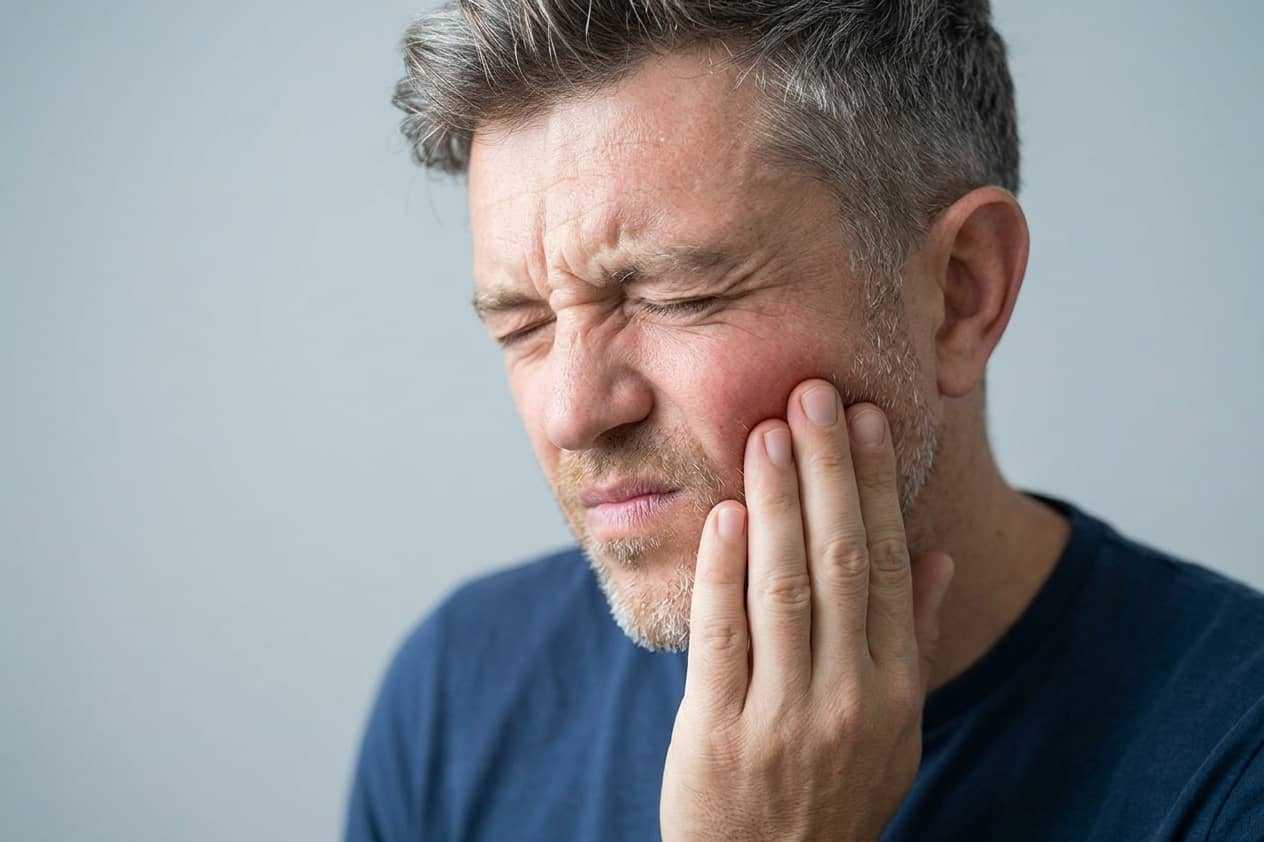
Toothache often strikes without warning, and the first instinct is to relieve it as quickly as possible. One well-known painkiller is Analgin. It can ease the pain for a while, but it doesn’t work in every case and comes with its limitations.
What Analgin Is and When It Is Used
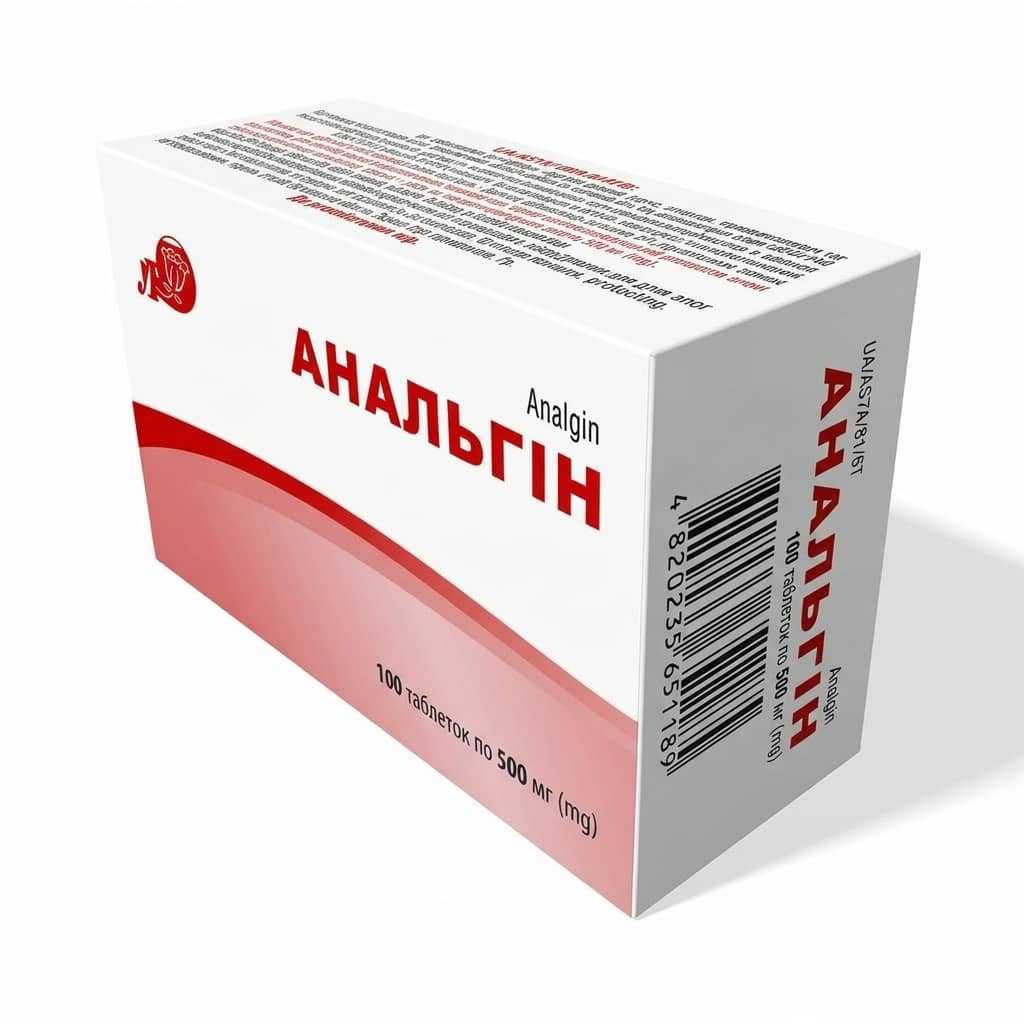
What can Analgin help with? Analgin is a well-known painkiller. Its active ingredient is metamizole sodium. It helps reduce pain and can also lower a fever.
For a toothache, Analgin sometimes does bring temporary relief. But it’s important to understand that the drug only reduces the symptom and does not treat the cause of the pain. If the problem is caused by tooth decay, an inflamed nerve, or gum disease, it doesn’t go away even after the tooth stops hurting.
How Analgin Works
Analgin acts on the processes by which the body produces and transmits the sensation of pain. As a result, the pain becomes weaker or subsides for a while.
The underlying problem, however, remains. For example, if inflammation is developing inside a tooth, Analgin may dull the pain but won’t stop the process.
When It Can Help Temporarily
As a painkiller for toothache, Analgin can serve as a stopgap, for example, if you need to hold out until a scheduled dental appointment.
But results vary from person to person. With severe pain or pronounced inflammation, the drug may work poorly or wear off quickly. That’s why a painkiller should be seen only as temporary relief, not a substitute for dental treatment.
Does Analgin Help With a Toothache?
Analgin can reduce toothache, but the result depends on why the tooth hurts and how severe the pain is. With moderate pain, it sometimes provides enough relief to wait comfortably for your dental appointment.

If the pain is severe, throbbing, or linked to marked inflammation, the effect may be weaker or short-lived. Either way, Analgin doesn’t treat the tooth itself: it only eases the pain for a time while the cause remains.
How Soon It Starts Working and How Long the Effect Lasts
After taking Analgin by mouth, you can usually expect a noticeable effect in about 30–60 minutes. How long the pain relief lasts can vary depending on the intensity and cause of the pain and on your individual response.
Even if your tooth stops hurting for a few hours, that doesn’t mean the problem has gone away. Tooth decay, pulp inflammation, or another dental condition requires treatment by a dentist.
When the Effect May Be Weak or Absent
Analgin may work less well if the pain is very severe or an acute inflammatory process has developed. For example, with pronounced inflammation, swelling, or complications, a single painkiller is often not enough.
So if the drug barely helps, the pain returns quickly, or it gets worse, don’t just keep trying to dull it. In this situation, it’s important to find out the cause of the pain at the dentist’s office.
How to Take Analgin Safely for a Toothache
If you use Analgin for a toothache, remember that it is only temporary pain relief. The drug doesn’t eliminate the cause of the pain, so taking pills should never replace a visit to the dentist.
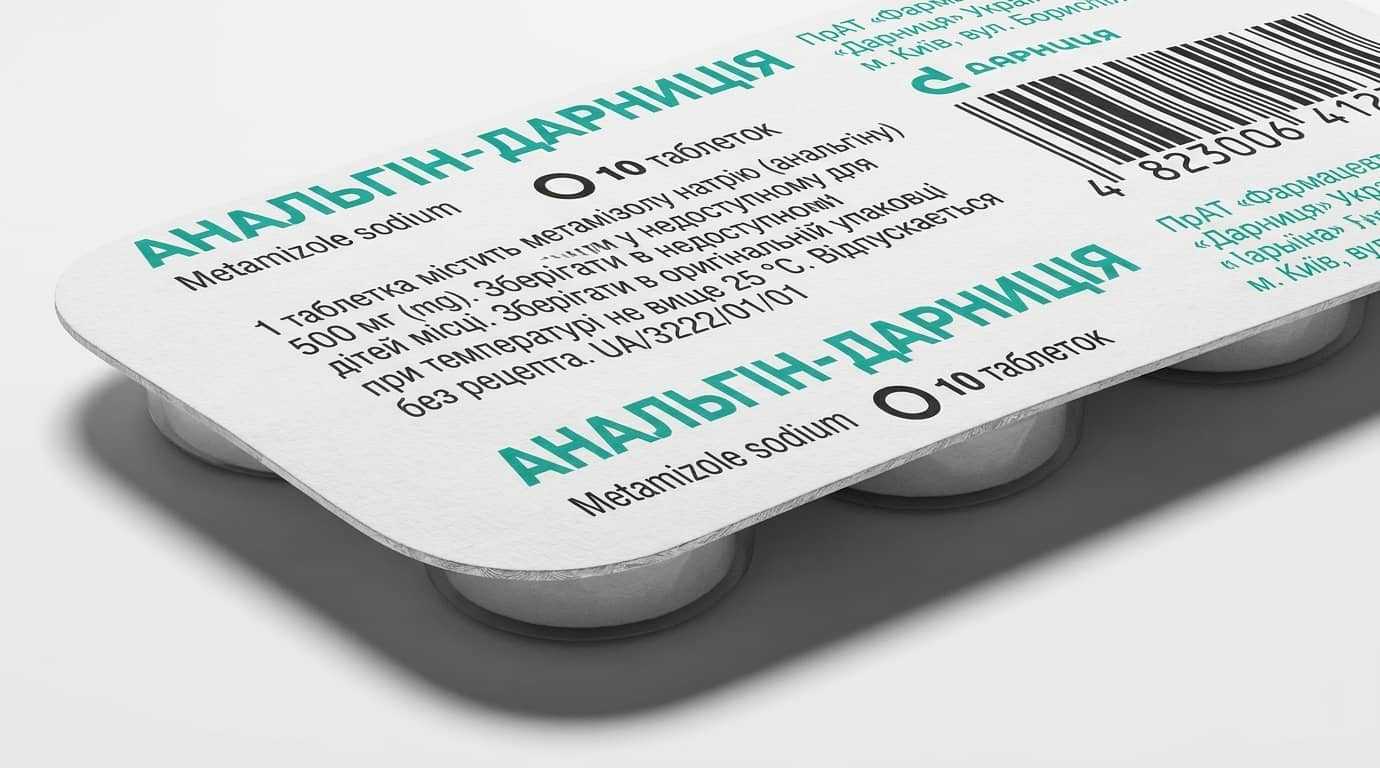
Don’t increase the dose on your own or take the drug more often than the instructions state. It’s also best not to use it for several days in a row to keep the pain constantly dulled. Metamizole can cause serious side effects, in particular agranulocytosis, a rare but dangerous drop in the level of certain white blood cells.
Basic Rules for Taking It
Tablets are taken by mouth, following the instructions for the specific product, and washed down with water. It’s important to stick to the recommended regimen and not try to boost the drug’s effect with extra tablets.
If the pain returns or persists, it’s better not to continue self-medicating but to see a dentist. A toothache often signals a problem that can’t be solved with a painkiller alone.
What Not to Do
Don’t place an Analgin tablet directly on the tooth or gum. It won’t remove the cause of the pain and may irritate the mucous membrane.
Also, don’t exceed the recommended dose or combine Analgin with other painkillers without control. If you’re already taking other medications, it’s best to check their compatibility with your doctor or pharmacist.
Another common mistake is dulling the pain with tablets for several days in a row and putting off treatment. Even if the painkiller helps, the cause of the pain may keep developing.
Indications, Contraindications, and Who Should Not Take the Drug
What are Analgin tablets taken for? Analgin can be used as a temporary remedy to reduce pain, including toothache. But it isn’t a universal drug, and in some cases it’s better to avoid it or to consult a doctor first.
Analgin should not be used, or should be used only after consulting a doctor, if you have:
- an allergy to metamizole or similar drugs;
- blood disorders or impaired blood formation;
- serious liver or kidney problems;
- bronchial asthma or a pronounced reaction to certain painkillers;
- previous serious adverse reactions to Analgin;
- a need to take other medications regularly.
Particular attention should be paid to the risk of agranulocytosis, a rare but serious drop in the number of certain blood cells. This is exactly why Analgin should not be taken without control or used for a long time without a doctor’s recommendation.
Children, Pregnant Women, and People With Chronic Conditions
Self-medicating with Analgin is not advisable for children, pregnant women, or people with chronic conditions.
Children should be given the drug only with consideration for their age, body weight, the form of the drug, and a doctor’s recommendations. Age restrictions may differ depending on the specific product.
During pregnancy, Analgin should not be taken without a doctor’s approval. This applies especially to the later stages of pregnancy, when metamizole may be dangerous for the fetus.
People with chronic conditions should also be cautious. If you have kidney or liver problems, blood disorders, or bronchial asthma, or if you take other medications on an ongoing basis, it’s best to discuss with your doctor whether you can use Analgin.
In any case, for a toothache, Analgin should be regarded only as temporary pain relief until you see a dentist, not as a way to treat the problem itself.
When a Toothache Requires an Urgent Dental Exam
A toothache isn’t always an emergency, but there are symptoms for which you shouldn’t put off seeing a dentist. This is especially true if the pain is getting worse, painkillers barely help, or other signs of inflammation appear.
See a dentist as soon as possible if:
- swelling has appeared in the gums, cheek, or face;
- you have a fever;
- the pain is severe, throbbing, or keeps getting worse;
- the pain makes it hard to fall asleep or wakes you at night;
- the pain radiates to the ear, temple, jaw, or neighboring teeth;
- opening your mouth has become painful or difficult;
- after a tooth extraction, the pain doesn’t subside but gets worse after a few days;
- you notice pus, an unpleasant taste, or a bad smell coming from the area of the affected tooth.
Rapidly increasing swelling, swelling that spreads to the neck, and difficulty swallowing or breathing are especially dangerous. In such a situation, you need emergency medical care.

Why Analgin Doesn’t Treat the Cause of the Pain but Only Masks the Symptom
Analgin can temporarily reduce the symptoms of a toothache, but it doesn’t solve the problem that caused the pain in the first place. If the cause is tooth decay or inflammation of the nerve, gums, or the tissues around the tooth, those changes don’t disappear after you take a tablet.
Because of the painkilling effect, it may seem that the tooth has “let go” and treatment can wait. In reality, the relief is often temporary: after a few hours the pain may return, while the underlying condition keeps progressing.
That’s why you shouldn’t take Analgin regularly instead of seeing a dentist. A painkiller can help you get through the time until your appointment, but only an examination and diagnosis can show what exactly is causing the pain and what treatment is needed.
The author of this article is Andrii Kratik, a dental implantologist, oral surgeon, general dentist, and prosthodontist.


Make an appointment
You can make an appointment by filling out the application form on the website, as well as using instant messengers:
Make an appointment
You can make an appointment by filling out the application form on the website, as well as using instant messengers:


Make an appointment easily using chatbots:
Also, call the numbers:
Modern dentistry and medical centre "MED-DEO"
Choose a clinic whose location is more convenient for you.
Kyiv, Holosiivska/Demiivska metro station
130 Lobanovskoho Avenue


Working hours:
Mon - Sun: 8:00 AM - 9:00 PM
No days off!
Call the numbers:
How to get to us? Create a route
Kyiv, Akademistechko metro station
78A, Irpinska str.


Working hours:
Mon-Sun: 8.00-21.00
Without days off!
Call the numbers:
How to get to us?
Create a route
Create a route
Kyiv, Heroiv Dnipra metro station
32A, Heroiv Dnipra str.


Working hours:
Mon-Sun: 8.00-21.00
Without days off!
Call the numbers:
How to get to us?
Create a route
Create a route
Kyiv, Teatralna metro station
9B, E. Chykalenko (Pushkinska) str.


Working hours:
Mon-Sat: 8.00 - 21.00. Sun: by appointment.
Without days off!
Call the numbers:
How to get to us?
Create a route
Create a route
Відгук від клієнта
0:00
0:00


Your email will not be published on the site.