What Can Cause a Swollen Cheek
Cheek swelling can occur for various reasons and often indicates the presence of some underlying disease or problem. Most commonly, swelling manifests on one side. Sometimes it’s accompanied by pain, weakness, local or general temperature elevation.
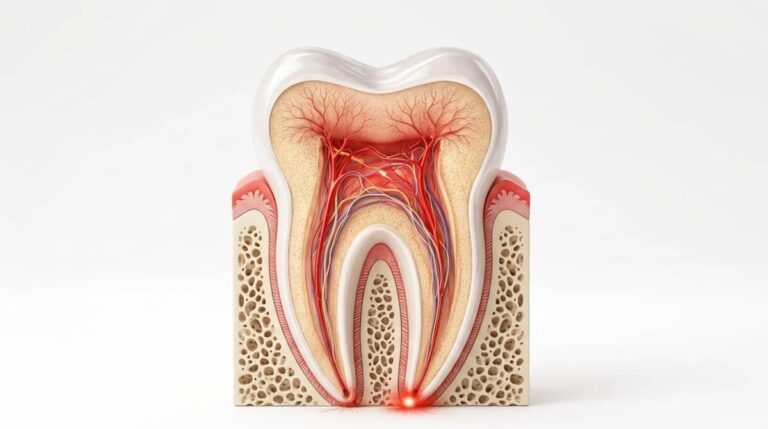
Swelling or puffiness of the cheek most often indicates the development of periostitis, better known as an abscess – this is inflammation of the periosteum caused by the spread of infection from an affected tooth. Pus accumulates in the root area, causing pain, swelling, and redness of tissues. The main cause of abscess development is neglected cavities or pulpitis that wasn’t treated in time.
Among possible causes of a swollen cheek are:
- Tooth and gum diseases: Cavities, pulpitis, periodontitis, gingivitis, and other pathologies can cause inflammation and pus accumulation, leading to swelling and puffiness.
- Trauma: A blow or fall can cause swelling and bruising on the cheek due to blood accumulation and tissue swelling.
- Salivary gland infections
- Allergic reactions to food, medications, insect bites, or materials used in dentures (occurs several months or years after denture placement, characterized by heartburn, changes in taste sensations, thirst, and dry mouth).
- Ophthalmological diseases: In acute dacryocystitis, swelling of the tear sac is accompanied by swelling of the cheek, eyelid, and bridge of the nose.
- Neurological diseases: Symptoms may also manifest as visual function disorders, eye pain, temple swelling, and other parts of the face.
- ENT organ diseases: Mild cheek swelling can occur with acute sinusitis or exacerbation of chronic maxillary sinus inflammation.
The most common cause of a swollen cheek is jaw periostitis. It develops against the background of tooth diseases: periodontitis, pulpitis, alveolitis, periodontitis, purulent jaw cyst. Fractures, infected facial wounds, surgical interventions, and tooth extractions can also provoke periostitis development.
If the cheek is swollen but there are no obvious signs of an abscess, this may be caused by mild inflammation or trauma.
Swollen Cheek: Complications After Tooth Extraction
After tooth extraction, various body reactions can occur, one of which is cheek swelling. Usually this is a normal response to surgical intervention, but sometimes swelling can be a sign of complications.
Swelling can occur in response to tissue trauma during surgery. This is usually accompanied by minor discomfort and resolves within a few days.
If swelling is accompanied by severe pain, fever, or purulent discharge, this may be a sign of infection in the extraction area.
Additionally, reactions to anesthesia or other medications can lead to swelling.
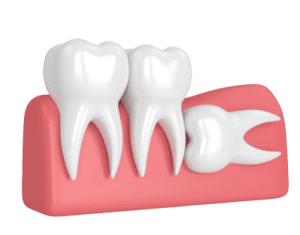
To reduce a swollen cheek after tooth extraction, particularly wisdom tooth extraction, it’s recommended to:
- Apply cold compresses to the swollen area during the first 24 hours after surgery
- Monitor oral hygiene, gently rinse your mouth with saline solution or other antiseptics as recommended by your dentist
- Avoid hot food and drinks, as well as intense physical activity in the first few days after surgery
- Take medications prescribed by your doctor, such as pain relievers or antibiotics, if prescribed
If the swollen cheek doesn’t decrease after several days or symptoms worsen, you should immediately contact your dentist.
Swollen Cheek Without Tooth Pain – Possible Causes
If your cheek is swollen but your tooth doesn’t hurt, the cause may be an allergy to materials used in filling, prosthetics, or tooth treatment. Additionally, such a condition may be caused by the body’s reaction to food products, plant pollen, dust, or pet hair. In such cases, swelling usually has no clear boundaries and may spread to other areas of the face.
After tooth extraction, nerve removal, or gum incision, swelling and pain are normal body reactions that can persist for about 5-7 days.
If your cheek is swollen but your tooth doesn’t hurt, it’s important to rule out respiratory or viral diseases that can cause enlargement of submandibular lymph nodes. For example, these could be mumps or pharyngitis, which are often accompanied by high fever and chills.
When Does Swelling Indicate Pathological Processes?
Besides cheek swelling, other symptoms that may indicate a pathological process include:
- Pain in the cheek, jaw, or gum area – this may indicate infection, trauma, or inflammation
- Redness of skin or mucous membranes
- Elevated body temperature or local hyperthermia
- Enlarged and painful lymph nodes in the neck and under the jaw
- Difficulty chewing or swallowing
- Purulent discharge or bad breath
- Impaired jaw mobility
- Headache or ear pain
- General symptoms such as weakness, fatigue, or dizziness
How to Treat Cheek Swelling?
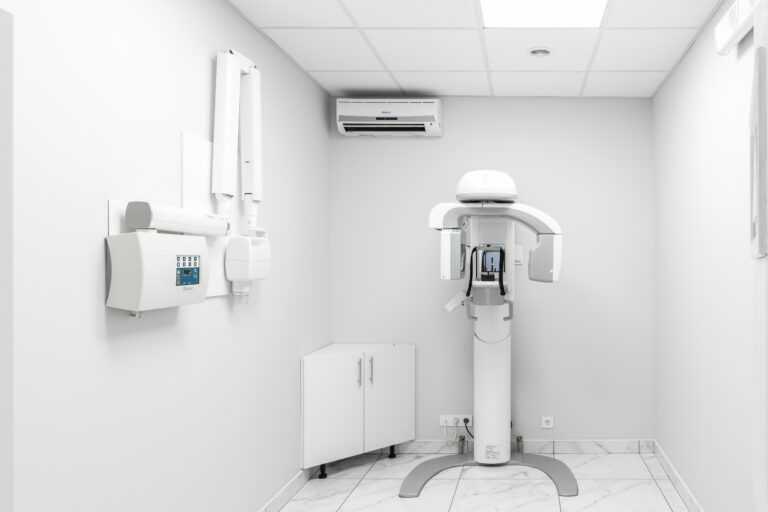
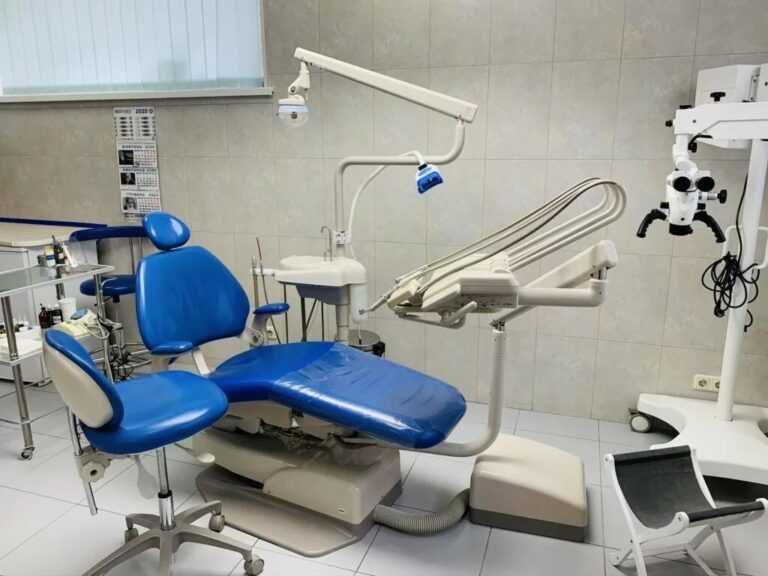
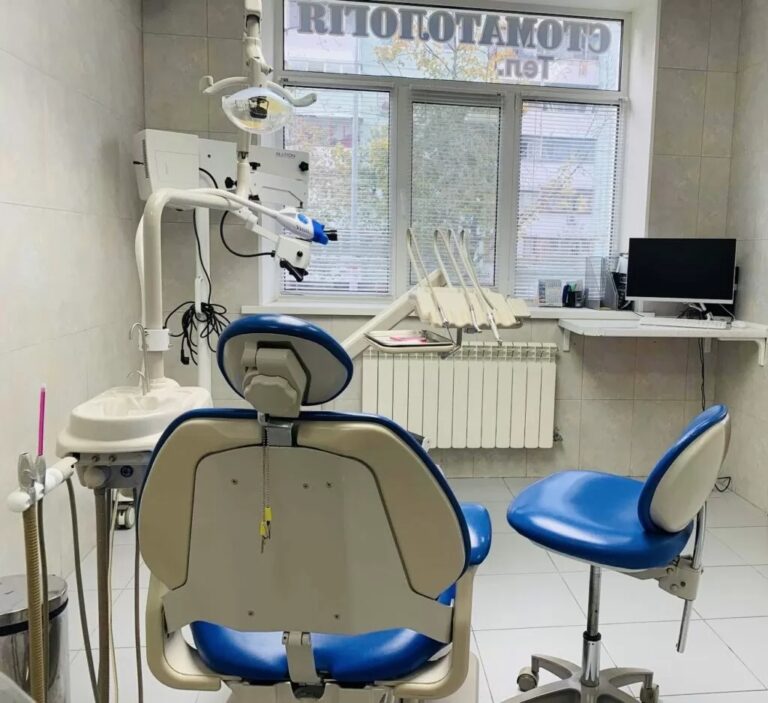
Med-Deo Medical Center provides highly qualified conditions for diagnosing and treating dental diseases of any complexity. If you develop swelling on your cheek, it’s important to see a doctor as soon as possible. Our qualified therapists and surgeons will effectively and painlessly solve your problem, helping you avoid possible complications.
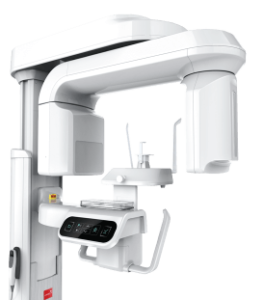
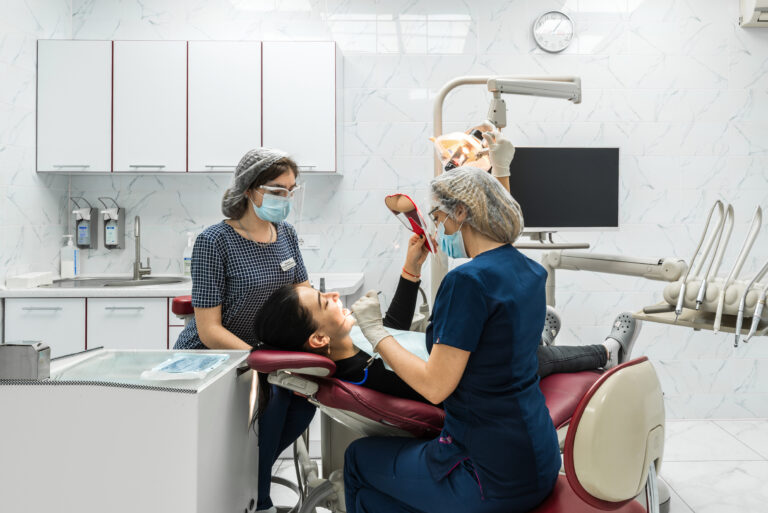
During the appointment, the doctor takes a medical history, conducts a dental examination, and prescribes necessary diagnostic procedures such as X-rays, computed tomography, or blood tests. If necessary, the patient is referred to specialists, including neurologists, otolaryngologists, endocrinologists, and others. Based on examination results, the doctor develops a treatment plan.
What to do if your cheek is swollen? If cysts, pulpitis, or periosteum inflammation are detected, surgical intervention may be required. In some cases, tooth extraction or repeated root canal filling is needed.
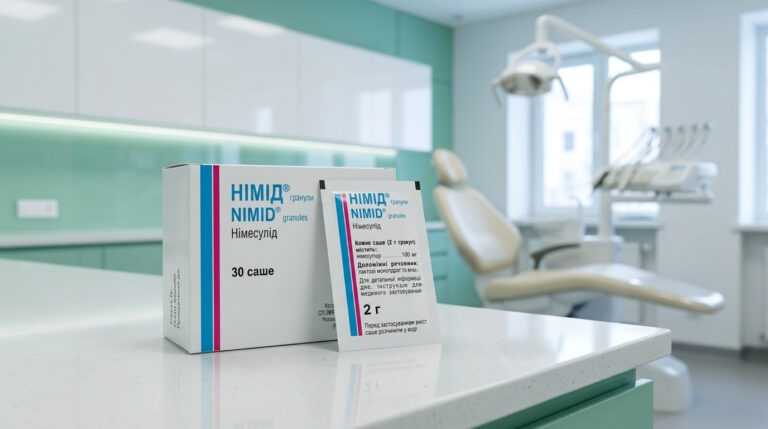
Effective treatment includes the use of antibacterial drugs, rinsing the oral cavity with antiseptic agents, and applying dental gels to affected areas.
Methods for Preventing Cheek Swelling
To avoid swelling, especially in the facial or oral cavity area, the following measures should be taken:
- Proper oral care: Regular tooth brushing twice a day, using dental floss and mouth rinses will help prevent bacterial accumulation and infection development.
- Regular dental visits: Preventive examinations and professional teeth cleaning every 6 months will help identify problems at an early stage and prevent their development.
- Healthy nutrition: A balanced diet low in sugar and high in vegetables, fruits, and dairy products strengthens tooth and gum health.
- Avoiding trauma: Protect your face and jaw from blows and injuries. Use protective equipment such as mouthguards during contact sports.
- Timely tooth treatment, especially if a child’s cheek is swollen and accompanied by pain or discomfort in teeth or gums. It’s important to see a dentist as soon as possible.
Diseases such as diabetes or thyroid dysfunction can increase the risk of infections and swelling development. Monitor your health condition and regularly undergo medical examinations.
How to Relieve the Condition at Home?
If your cheek is swollen after wisdom tooth extraction or for another reason before visiting a doctor, herbal infusions from oak bark, calendula flowers, chamomile, or sage can be used to fight inflammation.
You can also use a baking soda-salt solution, as it has antiseptic action. For this, dissolve one teaspoon each of baking soda and salt in a glass of warm boiled water.
If your cheek is swollen, another option for reducing swelling is using dental ointments and gels.
If cheek swelling doesn’t go away or is accompanied by symptoms such as severe pain, high fever, or difficulty swallowing, you should definitely seek professional help from a specialist.
Author: Dentist-Therapist Halyna Petrivna Hrushetska
 (044) 394 90 94
  Holosiivska/Demiivska metro station




















Your email will not be published on the site.