Special offer! Comprehensive professional teeth cleaning for only 1699 UAH.
Special offer! Comprehensive professional teeth cleaning for only 1699 UAH.
Special offer! Comprehensive professional teeth cleaning for only 1699 UAH.
Special offer! Comprehensive professional teeth cleaning for only 1699 UAH.
Special offer! Comprehensive professional teeth cleaning for only 1699 UAH.
Special offer! Comprehensive professional teeth cleaning for only 1699 UAH.
Special offer! Comprehensive professional teeth cleaning for only 1699 UAH.
Special offer! Comprehensive professional teeth cleaning for only 1699 UAH.
Special offer! Comprehensive professional teeth cleaning for only 1699 UAH.
Special offer! Comprehensive professional teeth cleaning for only 1699 UAH.
Sign up
 (044) 394 90 94
(044) 394 90 94  Holosiivska/Demiivska metro station
Doctors


 Prices
Blog
Contacts
Prices
Blog
Contacts
пр.Лобановського, 130, Київ, Україна
Temporarily closed
Opening soon
78A, Irpinska St., Kyiv, Ukraine
Temporarily closed
Opening soon
32A, Heroiv Dnipra St., Kyiv, Ukraine
Temporarily closed
Opening soon
9B, Yevhena Chykalenko St. (Pushkinska), Kyiv, Ukraine
Temporarily closed
Opening soon
Sign up
En
(044) 394 90 94
Back
Dentistry
General Dentistry
Dental surgery
Dental Implants
Maxillofacial Surgery
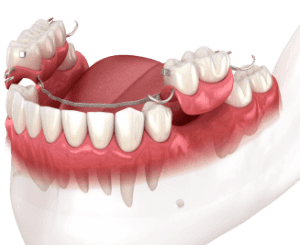
Dental prosthetics
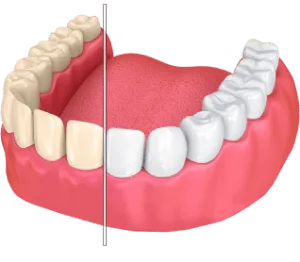
Cosmetic dentistry

Professional Dental Hygiene

Periodontics
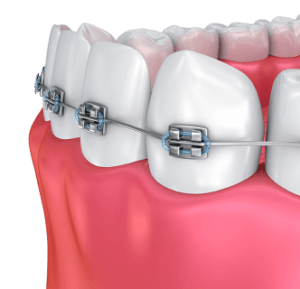
Orthodontic dentistry

Gnathology & TMJ Therapy

Pediatric Dentistry
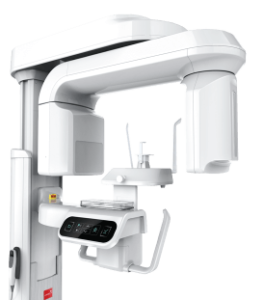
Dental X-Rays
Back
Orthodontic Center
Orthodontic dentistry
Gnathology & TMJ Therapy
Back
Prosthodontic Center
Dental prosthetics
Back
MED-DEO Center for Maxillofacial Surgery & Facial Plastics
Maxillofacial Surgery
Plastic surgery
Back
Surgical Dental Center
Dental surgery
Dental Implants
Search on the site


Popular requests
Teeth whitening
Treatment of caries
Wisdom tooth extraction
Bracket system
Dental veneers
Tooth restoration
Pediatric dentist
Consultation with a dentist-therapist
Search results by: «».
Unfortunately, no results were found for your search: “Pediatric Endocrinologist”, nothing was found.
You may find these links useful:
Clinics "MED-DEO"
пр.Лобановського, 130, Київ, Україна
Temporarily closed
Opening soon
78A, Irpinska St., Kyiv, Ukraine
Temporarily closed
Opening soon
32A, Heroiv Dnipra St., Kyiv, Ukraine
Temporarily closed
Opening soon
9B, Yevhena Chykalenko St. (Pushkinska), Kyiv, Ukraine
Temporarily closed
Opening soon
Services
Dentistry Orthodontic Center Prosthodontic Center MED-DEO Center for Maxillofacial Surgery & Facial Plastics Surgical Dental CenterGeneral Dentistry
Dental surgery
Dental Implants
Maxillofacial Surgery
Dental prosthetics
Cosmetic dentistry
Professional Dental Hygiene
Periodontics
Orthodontic dentistry
Gnathology & TMJ Therapy
Pediatric Dentistry
Dental X-Rays
Orthodontic dentistry
Gnathology & TMJ Therapy
Dental prosthetics
Maxillofacial Surgery
Dental surgery
Dental Implants
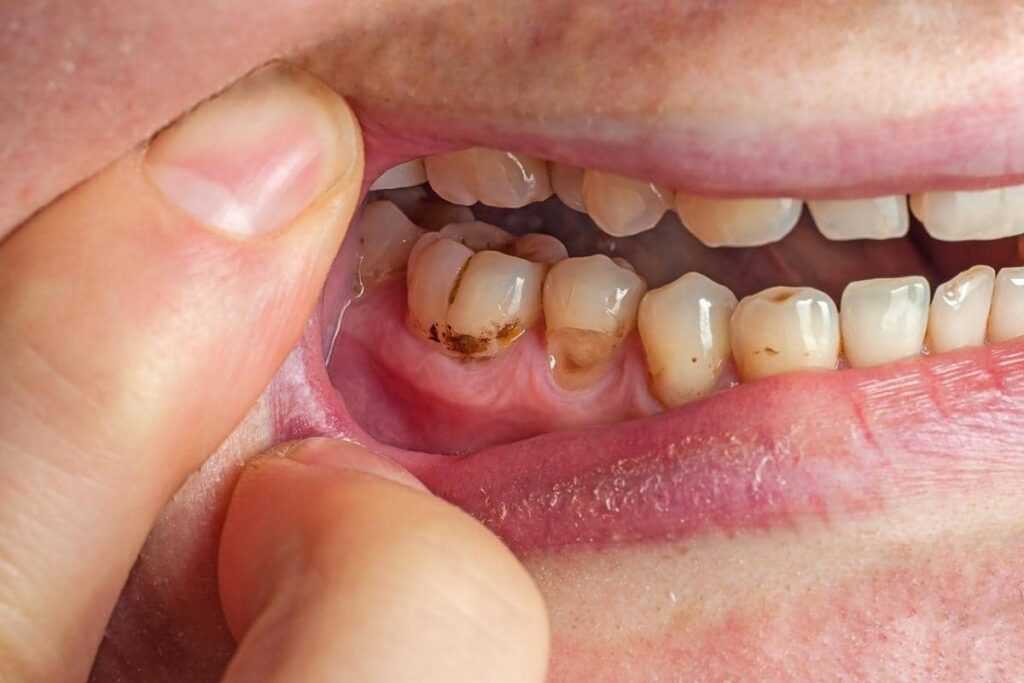

Many people search for ways to get rid of tartar at home — some are afraid of dentists, others want to save money, and some simply hope there’s a “life hack” that doesn’t involve the dental chair and ultrasonic cleaning. The truth is, it’s important to set boundaries right away: hardened tartar cannot be removed at home, no matter what methods social media suggests. However, you can work with soft dental plaque that forms daily — and quite effectively. This is where home remedies actually make sense.
A quick reminder: tartar forms from mineralized plaque that hardens layer by layer. If you want to understand the formation mechanism in depth, check out our detailed article “Dental Tartar: What It Is, Causes, and Removal Methods.”
Plaque vs Tartar: What You Can Actually Remove at Home
To avoid damaging your teeth, you need to clearly understand what you’re dealing with. There are essentially three stages, and each behaves differently.
Soft dental plaque (0–48 hours): This is a thin, sticky biofilm that’s easily cleaned with a regular brush, toothpaste, floss, or even baking soda. At this stage, home hygiene delivers maximum results, and plaque can be completely removed.
Early mineralization (2–14 days): Plaque becomes denser and may show white spots. Home methods still help, but only partially: more intensive brushing, a water flosser, and baking soda can halt progression and slightly soften the structure, but fully “dissolving” this plaque is challenging.
Hardened tartar (14+ days): This is already a hard mineralized mass, sometimes yellowish-brown, firmly attached to the enamel. No home methods work at this stage. Only professional dental cleaning helps here — ultrasonic scaling, AirFlow, or combined hygiene.
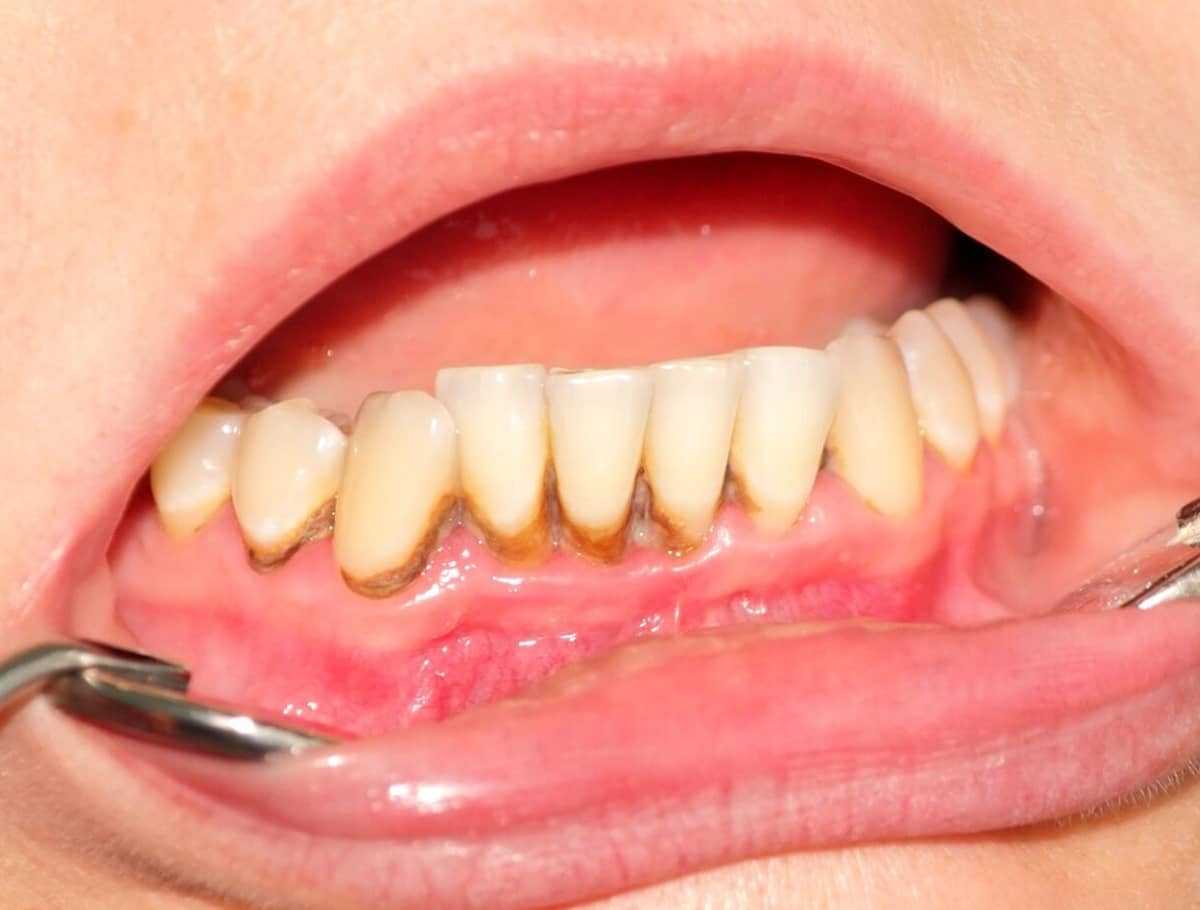
Everything discussed below in this article pertains specifically to soft plaque and preventing its transformation into tartar. If tartar is already present, the best solution is to schedule a professional cleaning. You can read more about the stages of tartar formation here.
Home Methods for Removing Soft Plaque
How to remove tartar at home? Before discussing specific remedies, it’s crucial to clearly understand the limits of what can realistically be done at home. Home methods only work on soft, fresh plaque that forms within the first 10–14 days. This is still loose, sticky biofilm that can be easily removed with a brush, floss, or auxiliary tools.
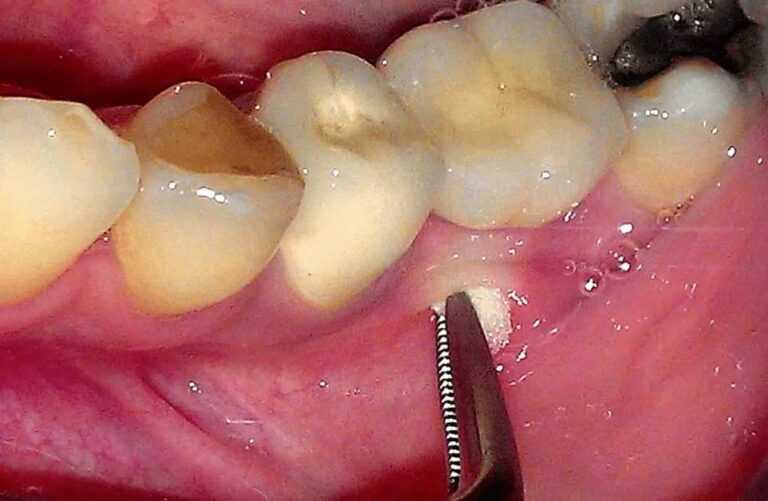
When plaque has time to mineralize and turns into hard deposits, the situation changes. Such tartar adheres tightly to the enamel, may extend below the gum line, and doesn’t respond to baking soda, coconut oil, or whitening toothpastes. If you see yellowish-brown “buildup,” rough patches, dark streaks near the gums, or your brush seems to slide over a hard surface — this is no longer plaque but tartar, which cannot be removed at home.
Therefore, all methods described below are designed specifically for everyday hygiene, prevention, and working with soft plaque. They help stop mineralization, brighten tooth surfaces, and reduce bacterial load. But if deposits have already hardened, the most effective and safe solution will be professional cleaning at the dentist — a procedure that literally restores smoothness and a healthy appearance to your teeth in a single visit.
Baking Soda — The Most Effective Home Remedy
Baking soda works not because it “corrodes” plaque, but thanks to a combination of three properties: mild abrasiveness with a safe RDA rating of 7–20, alkaline pH that neutralizes acids, and the ability to suppress bacteria involved in plaque and cavity formation, particularly Streptococcus mutans. This makes it a simple tool for removing fresh soft plaque.
Baking soda can be used in two ways: add a small pinch to your regular toothpaste and brush your teeth for 2–3 minutes with gentle circular motions, or prepare a thick mixture of one teaspoon of baking soda and two teaspoons of water, apply it with your finger or a soft brush, and gently massage your teeth for about two minutes. After either method, rinse your mouth thoroughly. Remember that baking soda only handles fresh plaque and cannot remove tartar from teeth, and overly frequent use can irritate gums or gradually wear down enamel. If you have sensitive teeth, enamel erosion, or exposed roots, it’s better to avoid such experiments and consult with a dentist first.
Coconut Oil — Oil Pulling for Plaque Reduction
The oil pulling method isn’t a “magic” remedy for tartar, but it has scientific merit. Lauric acid, which makes up about half of coconut oil, destroys bacterial membranes. Additionally, the oil swishing itself physically “flushes out” microbes from hard-to-reach areas and reduces gum inflammation.
What you need: take 1 tablespoon of cold-pressed coconut oil and swish it around your mouth for 5–10 minutes, preferably on an empty stomach before morning tooth brushing. Don’t swallow — the oil collects bacteria. After the procedure, spit it out (preferably into a bag rather than the sink), rinse your mouth with warm water, and then brush your teeth.
Oil pulling can reduce plaque, bad breath, and gum redness. But it doesn’t remove tartar and can’t replace your brush, toothpaste, or floss. The American Dental Association (ADA) doesn’t recommend it as a primary method — only as supplementary.
Hydrogen Peroxide — Antiseptic Effect, But Use Cautiously
Hydrogen peroxide can be helpful, but you need to approach it with maximum care. It releases active oxygen that kills anaerobic bacteria, “foams up,” and helps wash out food debris from between teeth. In small concentrations, it may even slightly lighten surface plaque.
Always use only pharmacy-grade 3% solution. Higher concentrations can cause burns. You can make a paste: mix 1 tsp of peroxide, 1 tsp of baking soda, and a few drops of water. Apply to teeth with a cotton pad or soft brush, hold for 1–2 minutes, then rinse your mouth three or four times with clean water.
There’s a gentler option — simply dilute peroxide with water in a 1:1 ratio and rinse your mouth for 30–60 seconds. Peroxide reduces bacteria count, may temporarily decrease gum inflammation, and make surface plaque lighter. But frequent use harms enamel and can irritate mucous membranes.
Other Folk Methods: A Critical Look
Many tips from TikTok or forums sound appealing, but a significant portion either barely work or carry more risks than benefits:
Lemon juice. Yes, acid can temporarily soften plaque, but it also destroys enamel. If you must use it, only diluted (1:3 with water) and no more than once a month.
Table salt. Has noticeable abrasiveness. Can clean plaque but easily injures gums. Use carefully and no more than 2–3 times weekly.
Honey solution. Honey has antiseptic properties, but its effect on plaque is minimal. Can be used as a gentle rinse after meals.
Walnuts. Shell decoction is sometimes recommended as a “natural cleaner,” but there’s no proof of effectiveness. Won’t hurt, but don’t expect results.
Activated charcoal. Very popular, but its abrasiveness is too high — RDA over 100. Constant use can wear down enamel, so there’s less benefit than risk.
Of folk tooth cleaning methods at home, only baking soda and oil pulling actually work, and even then — as supplements. Everything else either has weak evidence or can damage enamel.
Proper Daily Hygiene — The Foundation of Prevention
How to remove tartar at home? No home method will deliver noticeable results if basic hygiene isn’t established. Soft plaque starts forming just hours after brushing, and only regular care prevents its transition to hard tartar. Daily technique really matters here: movements should be gentle and circular on the outer and inner tooth surfaces, and short “back-and-forth” on chewing surfaces. Hold the brush at about a 45° angle to the gums so bristles reach the gumline area where plaque accumulates fastest. The entire procedure should last at least two minutes and be repeated twice daily — morning and before bed. Heavy pressure doesn’t help clean better, but can injure gums, so technique matters more than force.
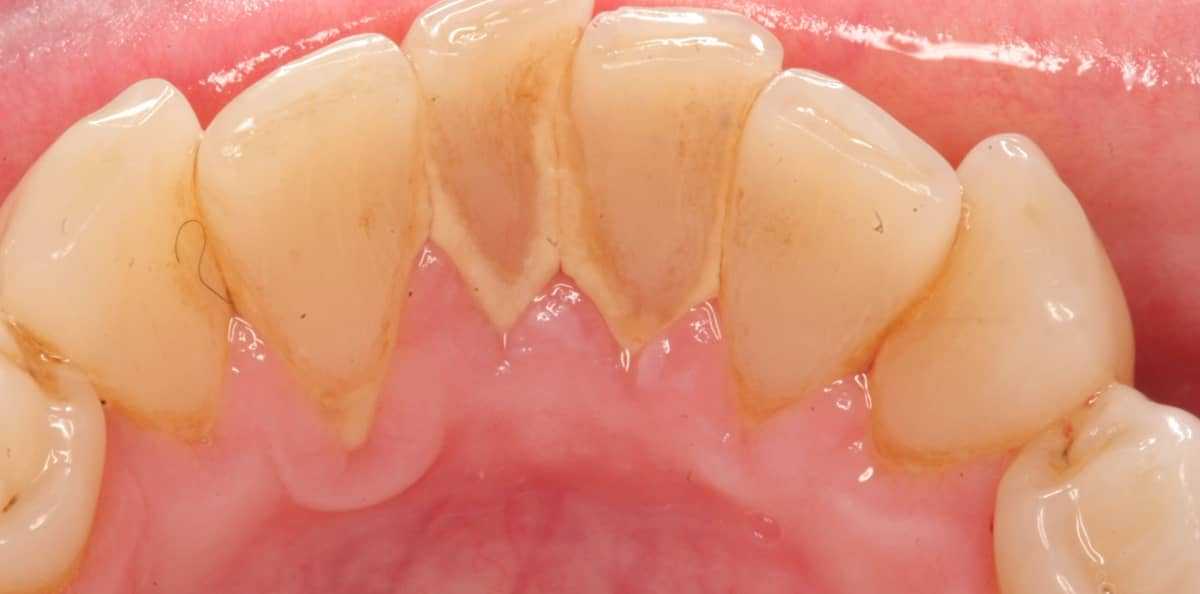
Regarding brush selection, medium stiffness is optimal for most people. If you have increased sensitivity, bleeding, or gum inflammation, a softer brush will be more comfortable and safer. Regardless of model, replace your brush every 2–3 months, sometimes sooner — bristles splaying outward no longer clean effectively and may irritate gums.
Black Plaque on Teeth: Special Removal Considerations
Black plaque on teeth isn’t a separate disease, but simply pigmented plaque that darkens for various reasons. It can look different: like small spots, streaks, or even a solid dark line along the gum edge. Most often it appears from smoking, coffee, tea, or wine — all these beverages contain pigments that literally “absorb” into soft plaque. Sometimes the dark color comes from iron supplements or even certain bacteria — so-called “black pigmented plaque,” which occasionally appears in children. And the classic: insufficient hygiene plus food dyes.
It’s important to understand the difference between plaque and cavities. Plaque is superficial, slightly rough, and though not always, can be partially brushed off. Cavities create a defect in the enamel itself: smooth, hard, and can’t be removed with a toothbrush. If in doubt, don’t guess — see a dentist.
At home, you can do plenty to lighten dark plaque. How to remove black plaque on teeth at home — use a whitening toothpaste course with medium abrasiveness (RDA 100–150), an electric brush with polishing mode, periodic baking soda use to remove surface pigments, plus simple habits — like rinsing your mouth after coffee or tea. And of course, reduce or quit smoking if applicable.
You can expect noticeable results in 2–4 weeks, but only if the plaque is fresh. Old, dense pigmentation won’t disappear on its own — professional cleaning will be needed. Air Flow usually solves the problem in one appointment.
See a dentist when a month of diligent home hygiene yields no results, plaque darkens, or gum bleeding appears.
What You Absolutely Should NOT Do at Home
Some internet advice seems harmless but can actually seriously damage teeth and gums. It’s important to speak plainly here about how NOT to remove tartar:
Metal objects are taboo. Any knives, needles, tweezers, or “scalers” from marketplaces leave microcracks and scratches on enamel, injure gums, and can cause bleeding. These microtraumas only make bacteria multiply faster, and plaque becomes even denser.
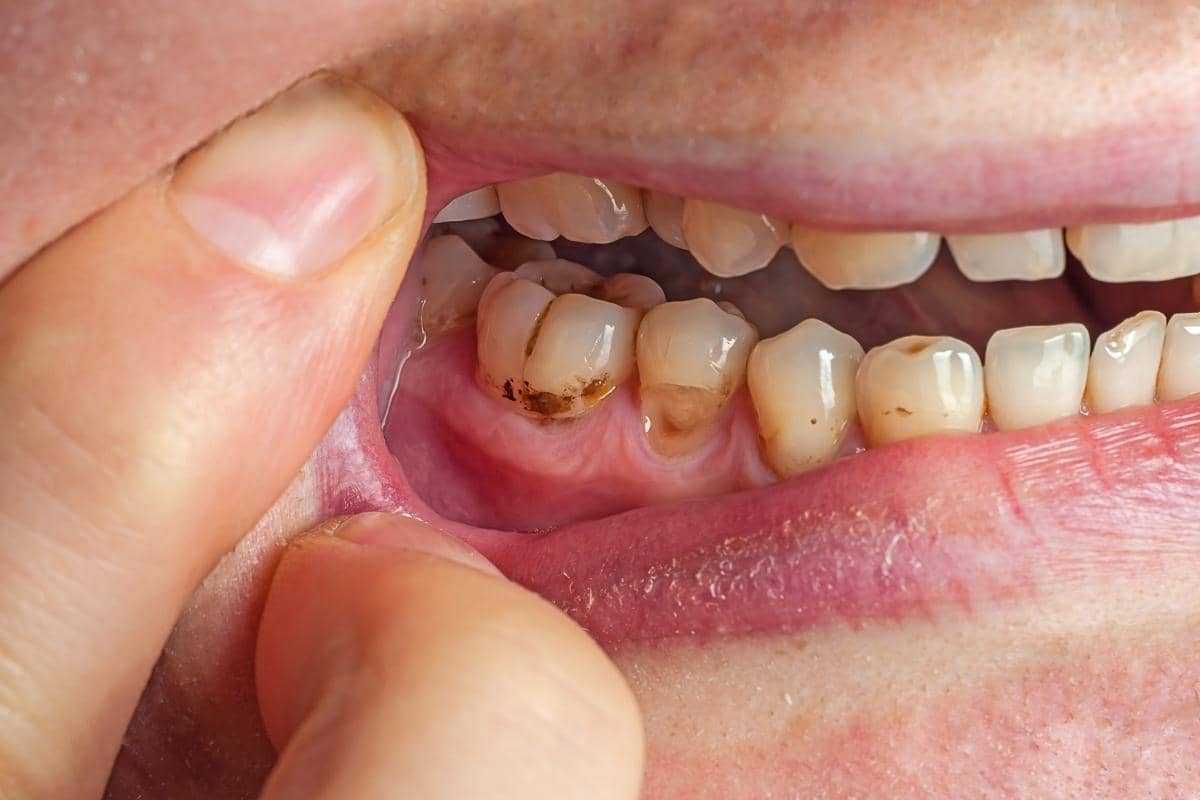
Concentrated acids don’t clean — they burn enamel. Vinegar or undiluted lemon juice cause instant demineralization. This is a chemical burn that makes enamel softer, more sensitive, and faster to deteriorate.
Abrasive “powders” work like sandpaper. Sand, pumice, ash, powdered activated charcoal don’t polish teeth — they wear away the surface layer. Afterward, teeth not only yellow but become more vulnerable to cavities and sensitivity.
Professional instruments are dangerous without skills. Home attempts to use scalers or curettes lead to root, gum, and even filling injuries. The right angle is only visible in the dental chair, and pressure force in such instruments isn’t intuitive at all.
Ignoring the problem is the worst decision. Tartar doesn’t disappear on its own. It only grows, causes inflammation, destroys bone tissue around the tooth, and over time can lead to tooth mobility.
Such “life hacks” seem simple, but consequences are often far more serious than they appear. Safer approach — gentle home methods plus regular professional hygiene.
When Home Methods Won’t Help Anymore: See a Dentist
Sometimes home methods no longer work — and that’s a normal moment to trust a professional. Be concerned if you notice:
- Hard yellowish-brown deposits that don’t respond to brushing at all
- Dark streaks or lines along gums — signs of subgingival tartar
- Bleeding during brushing
- Persistent bad breath
- Receding gums or exposed roots
- Sensitivity to hot/cold that didn’t bother you before
- Slight tooth mobility
In such cases, you can’t fix the situation yourself. At the appointment, the dentist will first examine your teeth, take X-rays if needed, then perform professional cleaning: remove tartar with ultrasound, eliminate pigmentation with Air Flow, polish surfaces, and strengthen enamel with fluoride treatment. This completely removes both supragingival and subgingival tartar — something impossible to handle at home. After this procedure, teeth become lighter and the risk of gum inflammation and periodontitis noticeably decreases.
Professional cleaning should be done regularly: most people need it every six months, while those who form tartar quickly, have gingivitis, or bad habits like smoking — every 3–4 months. Home care is important, but it only works on soft plaque and can’t dissolve or “scrub off” tartar.
If plaque has become hard, dark, won’t brush off, or bleeding appears, don’t experiment with aggressive methods. One dental visit solves the problem much faster and safer, and maintaining results afterward will be easy. The sooner you address the problem, the better your chances of keeping healthy teeth and gums. больше шансов сохранить здоровые зубы и десны. та ясна.
Article authored by Dr. Vladislav V. Dvornik, Prosthodontist and General Dentist


Make an appointment
You can make an appointment by filling out the application form on the website, as well as using instant messengers:
Make an appointment
You can make an appointment by filling out the application form on the website, as well as using instant messengers:


Make an appointment easily using chatbots:
Also, call the numbers:
Modern dentistry and medical centre "MED-DEO"
Choose a clinic whose location is more convenient for you.
Kyiv, Holosiivska/Demiivska metro station
130 Lobanovskoho Avenue


Working hours:
Mon - Sun: 8:00 AM - 9:00 PM
No days off!
Call the numbers:
How to get to us? Create a route
Create a route
Kyiv, Akademistechko metro station
78A, Irpinska str.


Working hours:
Mon-Sun: 8.00-21.00
Without days off!
Call the numbers:
How to get to us?
Create a route
Create a route
Kyiv, Heroiv Dnipra metro station
32A, Heroiv Dnipra str.


Working hours:
Mon-Sun: 8.00-21.00
Without days off!
Call the numbers:
How to get to us?
Create a route
Create a route
Kyiv, Teatralna metro station
9B, E. Chykalenko (Pushkinska) str.


Working hours:
Mon-Sat: 8.00 - 21.00. Sun: by appointment.
Without days off!
Call the numbers:
How to get to us?
Create a route
Create a route
Відгук від клієнта
0:00
0:00


Your email will not be published on the site.