Special offer! Comprehensive professional teeth cleaning for only 1699 UAH.
Special offer! Comprehensive professional teeth cleaning for only 1699 UAH.
Special offer! Comprehensive professional teeth cleaning for only 1699 UAH.
Special offer! Comprehensive professional teeth cleaning for only 1699 UAH.
Special offer! Comprehensive professional teeth cleaning for only 1699 UAH.
Special offer! Comprehensive professional teeth cleaning for only 1699 UAH.
Special offer! Comprehensive professional teeth cleaning for only 1699 UAH.
Special offer! Comprehensive professional teeth cleaning for only 1699 UAH.
Special offer! Comprehensive professional teeth cleaning for only 1699 UAH.
Special offer! Comprehensive professional teeth cleaning for only 1699 UAH.
Sign up
 (044) 394 90 94
(044) 394 90 94  Holosiivska/Demiivska metro station
Sign up
(044) 394 90 94
(044) 394 90 94
Doctors


 Prices
Blog
Contacts
Prices
Blog
Contacts
пр.Лобановського, 130, Київ, Україна
Temporarily closed
Opening soon
78A, Irpinska St., Kyiv, Ukraine
Temporarily closed
Opening soon
32A, Heroiv Dnipra St., Kyiv, Ukraine
Temporarily closed
Opening soon
9B, Yevhena Chykalenko St. (Pushkinska), Kyiv, Ukraine
Temporarily closed
Opening soon
(044) 394 90 94
Back
Dentistry
General Dentistry
Dental surgery
Dental Implants
Maxillofacial Surgery
Dental prosthetics
Cosmetic dentistry

Professional Dental Hygiene

Periodontics
Orthodontic dentistry

Gnathology & TMJ Therapy

Pediatric Dentistry
Dental X-Rays
Back
Orthodontic Center
Orthodontic dentistry
Gnathology & TMJ Therapy
Back
Prosthodontic Center
Dental prosthetics
Back
MED-DEO Center for Maxillofacial Surgery & Facial Plastics
Maxillofacial Surgery
Plastic surgery
Back
Surgical Dental Center
Dental surgery
Dental Implants
Search on the site


Popular requests
Teeth whitening
Treatment of caries
Wisdom tooth extraction
Bracket system
Dental veneers
Tooth restoration
Pediatric dentist
Consultation with a dentist-therapist
Search results by: «».
Unfortunately, no results were found for your search: “Pediatric Endocrinologist”, nothing was found.
You may find these links useful:
Clinics "MED-DEO"
пр.Лобановського, 130, Київ, Україна
Temporarily closed
Opening soon
78A, Irpinska St., Kyiv, Ukraine
Temporarily closed
Opening soon
32A, Heroiv Dnipra St., Kyiv, Ukraine
Temporarily closed
Opening soon
9B, Yevhena Chykalenko St. (Pushkinska), Kyiv, Ukraine
Temporarily closed
Opening soon
Services
Dentistry Orthodontic Center Prosthodontic Center MED-DEO Center for Maxillofacial Surgery & Facial Plastics Surgical Dental CenterGeneral Dentistry
Dental surgery
Dental Implants
Maxillofacial Surgery
Dental prosthetics
Cosmetic dentistry
Professional Dental Hygiene
Periodontics
Orthodontic dentistry
Gnathology & TMJ Therapy
Pediatric Dentistry
Dental X-Rays
Orthodontic dentistry
Gnathology & TMJ Therapy
Dental prosthetics
Maxillofacial Surgery
Dental surgery
Dental Implants

Ibuprofen is one of the most widely used pain relievers and a common household medication.
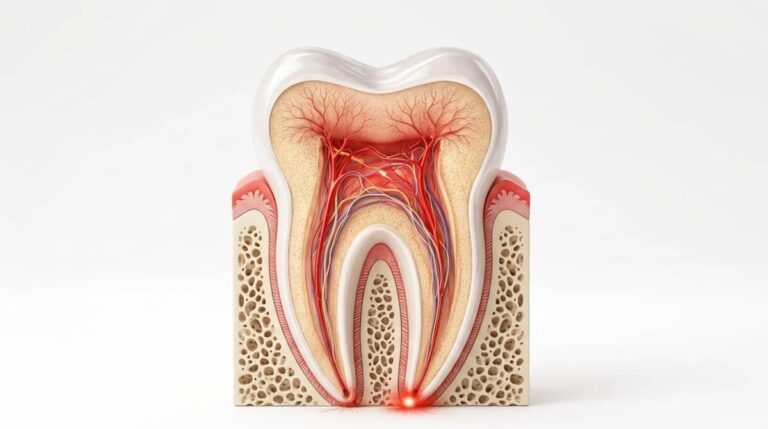
What does ibuprofen help with? It not only reduces pain but also suppresses inflammation and swelling. This is precisely why ibuprofen is frequently chosen for toothache, when the underlying cause is an inflammatory process in the tooth or gum tissue. The medication works relatively quickly, effectively relieves moderate pain, and helps patients manage their discomfort until they can see a dentist.
At the same time, it is important to understand that ibuprofen does not treat the cause of a toothache — it only provides temporary symptom relief. Its purpose is to reduce discomfort and inflammation, but definitive treatment is only possible after a dental examination and intervention.
What Is Ibuprofen and How Does It Work
Ibuprofen is a nonsteroidal anti-inflammatory drug (NSAID) widely used to reduce pain, inflammation, and fever. It is actively used in dentistry, particularly for toothache, when the discomfort is associated with an inflammatory process in the tooth or gum tissue.
The mechanism of action of ibuprofen involves blocking the synthesis of prostaglandins — biologically active substances responsible for generating pain, driving inflammation, and raising body temperature. When prostaglandin levels decrease, pain becomes less pronounced, swelling subsides, and overall well-being improves.
The active ingredient of the medication is ibuprofen, which has well-defined pharmacological properties: analgesic, anti-inflammatory, and antipyretic. It is this “triple action” that makes ibuprofen a popular choice for toothache, especially when accompanied by inflammation or fever.
Ibuprofen is available in several dosage forms: tablets and capsules for oral administration, suspension (most commonly used for children), and gel for topical use. In dental practice, tablets or capsules are typically used.
After oral administration, ibuprofen is rapidly absorbed in the gastrointestinal tract and reaches peak blood concentration relatively quickly, providing a fast-acting analgesic effect. This is why it is frequently used for temporary relief of toothache before visiting a dentist.

Ibuprofen: What It Helps With — Indications for Use
What does ibuprofen treat? Ibuprofen is used for the symptomatic relief of pain, inflammation, and fever. It is a versatile medication that is effective for a variety of conditions — particularly as a toothache tablet — but it is important to remember that ibuprofen relieves symptoms rather than treating the underlying cause of the disease.
The main indications for ibuprofen use include headache, toothache, muscle pain, joint pain, back pain, fever, and inflammatory conditions.
A very common question is: can you take ibuprofen during menstruation? Yes, ibuprofen can be taken during menstruation. It effectively relieves menstrual cramps and lower abdominal pain thanks to its analgesic and anti-inflammatory properties. However, if the pain is severe or persistent, consult a doctor for a proper evaluation.
Ibuprofen for Toothache: Is It Effective
Ibuprofen is considered one of the most effective over-the-counter pain relievers for toothache. Its action is related not only to pain suppression but also to the reduction of inflammation and swelling, which are often the primary sources of discomfort.
Ibuprofen tablets work particularly well for toothache precisely because of their potent anti-inflammatory effect. The medication reduces prostaglandin levels at the site of inflammation, which leads to pain relief.
The optimal dosage for adults with toothache is typically 200–400 mg per single dose. If necessary, the dose can be repeated every 6–8 hours, but the recommended maximum daily dose should not be exceeded.
Relief generally begins within 20–40 minutes of taking the medication, and the analgesic effect lasts approximately 6–8 hours.
It is important to understand that ibuprofen for toothache is only a temporary solution. If the pain recurs or intensifies, it is essential to see a dentist for treatment of the underlying cause.
Nurofen is often mentioned as an alternative for toothache — it is a brand-name product containing the same active ingredient (ibuprofen) and has a similar mechanism of action and efficacy.
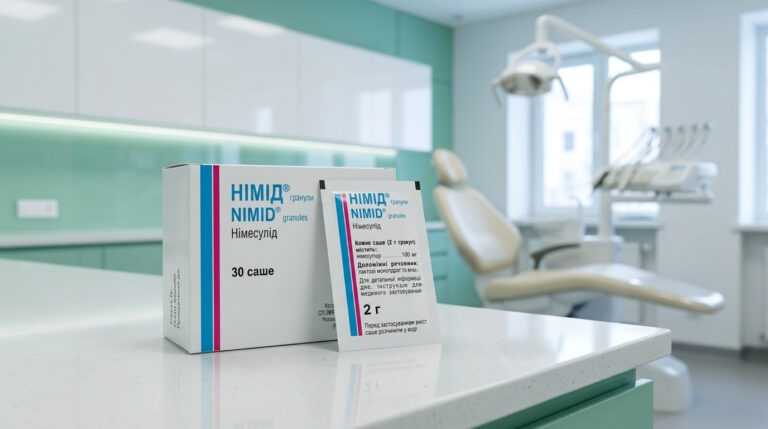
Patients also frequently ask which is better: Nimesil or ibuprofen? Ibuprofen is suitable for moderate pain, is generally better tolerated, and is more versatile. Nimesil is stronger and acts faster for intense pain but carries greater risks for the stomach and liver. The choice depends on the severity of the pain and overall health status; when in doubt, consult a doctor.
Ibuprofen for Children: Special Considerations
Ibuprofen is widely used in pediatric practice and is considered a safe and effective medication when dosed correctly.
Ibuprofen is approved for children from 6 months of age, usually in the form of a suspension, which is convenient for precise dosing. The medication is used to reduce fever and relieve pain associated with teething, infections, and inflammatory conditions.
Ibuprofen dosing for children is calculated individually based on age and body weight, so it is important to follow the instructions on the packaging or the doctor’s recommendations. Exceeding the dose on your own or using the medication for extended periods without consulting a healthcare professional is not recommended.
How to Take Ibuprofen Correctly: Instructions
Below is a straightforward, easy-to-understand guide — practical advice without unnecessary pharmacological jargon.
How to Take Ibuprofen Properly: Step by Step
Choose the dose based on the intensity of pain (200–400 mg is appropriate for most situations). Take it after a meal — this reduces irritation of the stomach lining and the risk of abdominal pain. Swallow with water (not juice, coffee, or alcohol). Do not shorten the intervals between doses — allow a minimum of 6–8 hours. Do not combine with other NSAIDs (such as diclofenac) unless specifically directed to do so.
Ibuprofen: Before or After Meals?
Ibuprofen is best taken after a meal or with food. Although the medication works on an empty stomach as well, taking it after eating causes less irritation to the stomach lining, reduces the risk of heartburn, nausea, and epigastric pain, and is more suitable for individuals with a sensitive gastrointestinal tract.
How to Take Ibuprofen for Best Results
For acute pain (dental, muscular), take a single dose of 400 mg. For moderate pain, start with 200 mg. Do not “stack” doses: if the pain has not subsided, do not increase the dose immediately — wait the recommended interval between doses.
Another frequently asked question: can you take ibuprofen after drinking alcohol? It is best not to take ibuprofen after consuming alcohol, even if “it was only a little.” Ibuprofen is an NSAID, and alcohol amplifies its aggressive effects on the gastrointestinal tract.
Standard Ibuprofen Doses for Adults
The standard dosing for adults is as follows: 200 mg for mild pain as an initial dose, 400 mg as the most common dose for dental, headache, or menstrual pain, and 600 mg only as prescribed by a doctor or for significant inflammation.
How Much Ibuprofen Can You Take: Daily Dose and Duration of Use
The maximum daily dose of ibuprofen for adults without a doctor’s prescription is 1,200 mg. In clinical practice, the dose may be higher, but only under medical supervision.
Regarding how many days you can take ibuprofen: as a pain reliever, up to 3–5 days; as a fever reducer, no more than 3 days.
Regarding how often you can take ibuprofen: the interval should be every 6–8 hours, with a maximum of 3 doses per day, a daily dose of up to 1,200 mg, and no longer than 3–5 days without medical guidance.
If pain or fever persists, this is a signal not to continue self-medicating but to consult a doctor (in the case of toothache, a dentist).
When Does Ibuprofen Start Working and How Long Does the Effect Last
Ibuprofen typically begins to take effect within 20–40 minutes of ingestion. The peak effect is reached in approximately 1–2 hours, and the duration of the analgesic effect is 6–8 hours.
This is why ibuprofen is convenient for temporary pain relief, particularly for toothache. However, it is important to remember that if the pain returns, it means the underlying cause has not been addressed, and proper treatment — rather than continued use of pain relievers — is required.
Can Pregnant and Breastfeeding Women Take Ibuprofen
The safety of ibuprofen during pregnancy and breastfeeding requires special attention. While it is an effective medication, its use during these periods has clear limitations.
Ibuprofen During Pregnancy: By Trimester
First trimester. During the first trimester, ibuprofen may only be used with caution and exclusively as prescribed by a doctor. This is the period when fetal organs and systems are forming, so any NSAIDs may potentially affect the course of pregnancy.
Second trimester. The second trimester is considered relatively safer for short-term use of ibuprofen. However, even during this period, the medication should only be taken at the minimum effective dose and in consultation with a doctor.
Third trimester. In the third trimester, ibuprofen is strictly not recommended. Its use may negatively affect the fetal cardiovascular system, cause premature closure of the ductus arteriosus, and increase the risk of complications during labor. For these reasons, ibuprofen in late pregnancy is considered dangerous.
Ibuprofen During Breastfeeding
During lactation, ibuprofen is considered relatively safe because it passes into breast milk in minimal amounts. With short-term use at standard doses, the risk to the infant is low. However, regular or prolonged use still requires a doctor’s consultation.
A safer alternative for pregnant and breastfeeding women is paracetamol (acetaminophen), though this should also be used only after consulting a healthcare professional.
Side Effects of Ibuprofen: What You Need to Know
Like any medication, ibuprofen can cause side effects. Most people tolerate it well, but it is important to be aware of the potential risks.
Common side effects occur most frequently, especially when the medication is taken on an empty stomach or the dose is exceeded. These include nausea, abdominal pain, heartburn, dyspepsia, and a feeling of heaviness in the stomach.
Uncommon side effects occur considerably less frequently and include dizziness, headache, allergic reactions (rash, itching), and increased fatigue.
Very rare but serious complications include gastrointestinal bleeding, GI ulcers, impaired liver or kidney function, and severe allergic reactions.
Stop taking the medication immediately and seek medical attention if you experience black stools, vomiting with blood, sharp abdominal pain, difficulty breathing, or facial swelling.
Groups at higher risk of side effects include individuals with stomach conditions, patients with chronic liver or kidney disease, elderly individuals, and those who take ibuprofen for extended periods or at high doses.
Contraindications: Who Should Not Take Ibuprofen
There are conditions in which taking ibuprofen is either prohibited or requires particular caution.
Absolute contraindications — ibuprofen must not be taken in the presence of active peptic ulcer disease of the stomach or duodenum, severe hepatic or renal insufficiency, allergy to ibuprofen or other NSAIDs, third trimester of pregnancy, or severe cardiovascular disease.
Relative contraindications that require medical consultation include bronchial asthma (especially aspirin-sensitive asthma), moderate hepatic or renal impairment, children under 6 months of age, and the presence of chronic medical conditions.
If you have any chronic health problems or are regularly taking other medications, self-treatment with ibuprofen is not advisable. In such cases, the appropriate regimen and alternatives should be determined by a doctor.
Author: Kateryna Sazhneva, DDS — Pediatric and General Dentist, Medical Director of Med-Deo Dental Clinic Network


Make an appointment
You can make an appointment by filling out the application form on the website, as well as using instant messengers:
Make an appointment
You can make an appointment by filling out the application form on the website, as well as using instant messengers:


Make an appointment easily using chatbots:
Also, call the numbers:
Modern dentistry and medical centre "MED-DEO"
Choose a clinic whose location is more convenient for you.
Kyiv, Holosiivska/Demiivska metro station
130 Lobanovskoho Avenue


Working hours:
Mon - Sun: 8:00 AM - 9:00 PM
No days off!
Call the numbers:
How to get to us? Create a route
Create a route
Kyiv, Akademistechko metro station
78A, Irpinska str.



Working hours:
Mon-Sun: 8.00-21.00
Without days off!
Call the numbers:
How to get to us?
Create a route
Create a route
Kyiv, Heroiv Dnipra metro station
32A, Heroiv Dnipra str.

Working hours:
Mon-Sun: 8.00-21.00
Without days off!
Call the numbers:
How to get to us?
Create a route
Create a route
Kyiv, Teatralna metro station
9B, E. Chykalenko (Pushkinska) str.




Working hours:
Mon-Sat: 8.00 - 21.00. Sun: by appointment.
Without days off!
Call the numbers:
How to get to us?
Create a route
Create a route
Відгук від клієнта
0:00
0:00


Your email will not be published on the site.