If you have braces, you’ve probably noticed the small rubber bands your orthodontist adds to the hardware. At first glance, they seem insignificant, but they’re actually what help your teeth move into proper position and your bite develop harmoniously. Understanding the types of elastics, their purpose, and proper usage will help speed up your treatment and make it more effective.
What Are Rubber Bands for Braces?
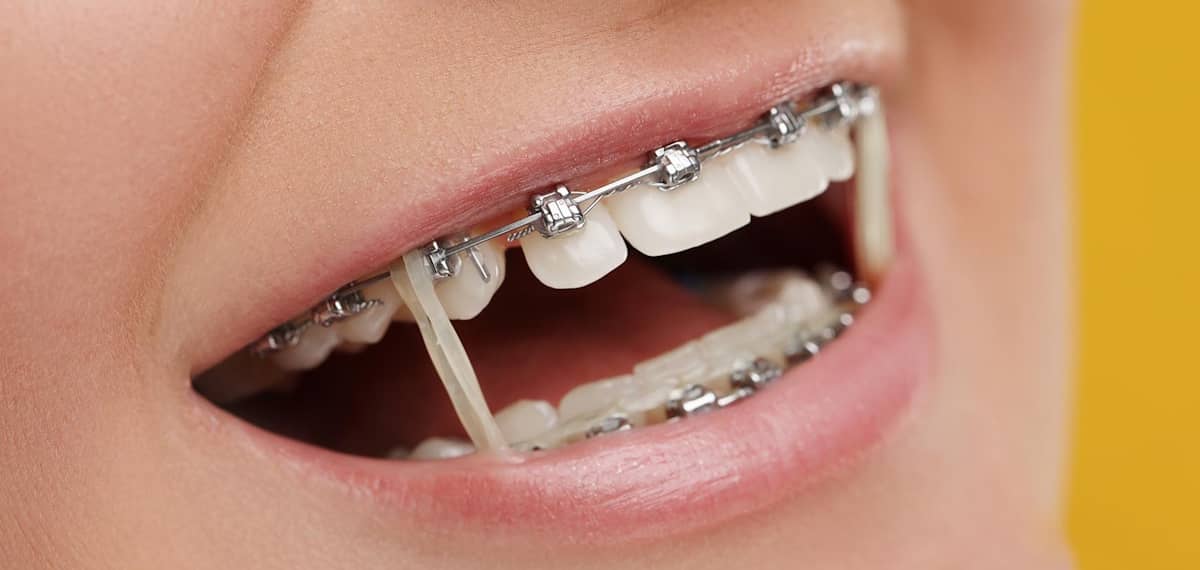
Rubber bands, or elastics, are small elastic rings that your orthodontist attaches to your braces to control the direction of tooth movement. They don’t just straighten your teeth—they help create a proper bite.
They’re typically made from medical-grade latex, which is elastic, durable, and body-safe. For patients with allergies, hypoallergenic latex-free options are available. The main job of elastics is to create directional pressure so your teeth or jaws move in the right direction.
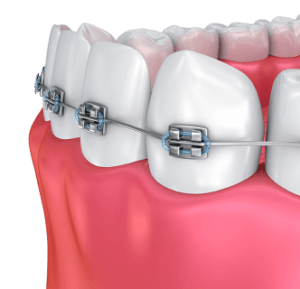
It’s important to remember that elastics aren’t the same as braces. Braces stay permanently attached to your teeth and hold the archwire, while elastics can be removed by the patient during meals or tooth brushing. In everyday language, they’re called rubber bands for braces, elastics, orthodontic elastics, or traction bands—all these terms mean the same thing.
Why Do You Need Rubber Bands on Braces?
Why rubber bands on braces? Braces gradually straighten teeth, but on their own, they can’t always achieve a perfect bite. That’s why orthodontists often add elastics to the system—small but incredibly important elements that help guide teeth and jaws into proper position.
These elastic bands create gentle, constant pressure that acts simultaneously on both the upper and lower dental arches. This allows for gradual, natural tooth movement, bite correction, and alignment of jaw relationships.
Elastics play several key roles in treatment:
They help teeth come together properly, eliminating forward, backward, or lateral shifts
They improve jaw contact, making the bite stable and functional
They speed up orthodontic treatment when worn regularly as prescribed
They correct various bite types—overbite, underbite, open bite, or crossbite
Each patient receives individually selected elastics, as the force, direction, and placement pattern depend on the specific situation. Properly chosen elastics not only make treatment more effective but ensure an aesthetic, harmonious result where teeth meet perfectly and your smile looks natural.
Types of Rubber Bands for Braces and Their Functions
Elastics are used at different stages of treatment, and each type serves its own purpose.
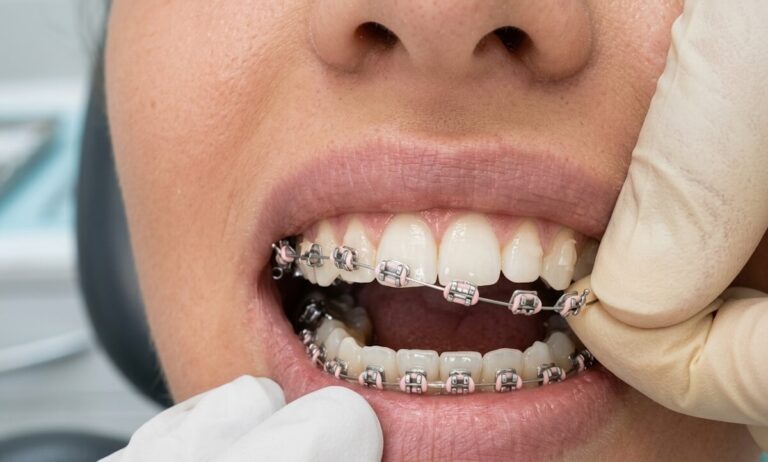
Ligatures are small rubber bands that hold the archwire inside the brackets. The archwire directs tooth movement, and ligatures help keep it in the proper position. These elastics are used in traditional (non-self-ligating) systems and come in clear, silver, or colored options—patients can even choose shades to match their mood. Ligatures are replaced during regular orthodontic visits, as they lose elasticity over time and need refreshing.
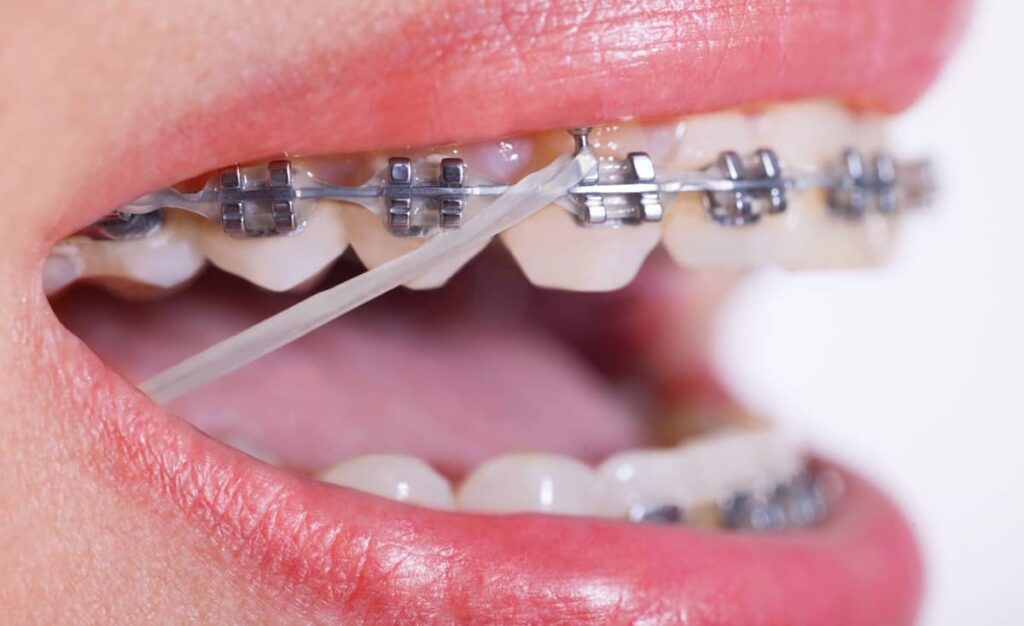
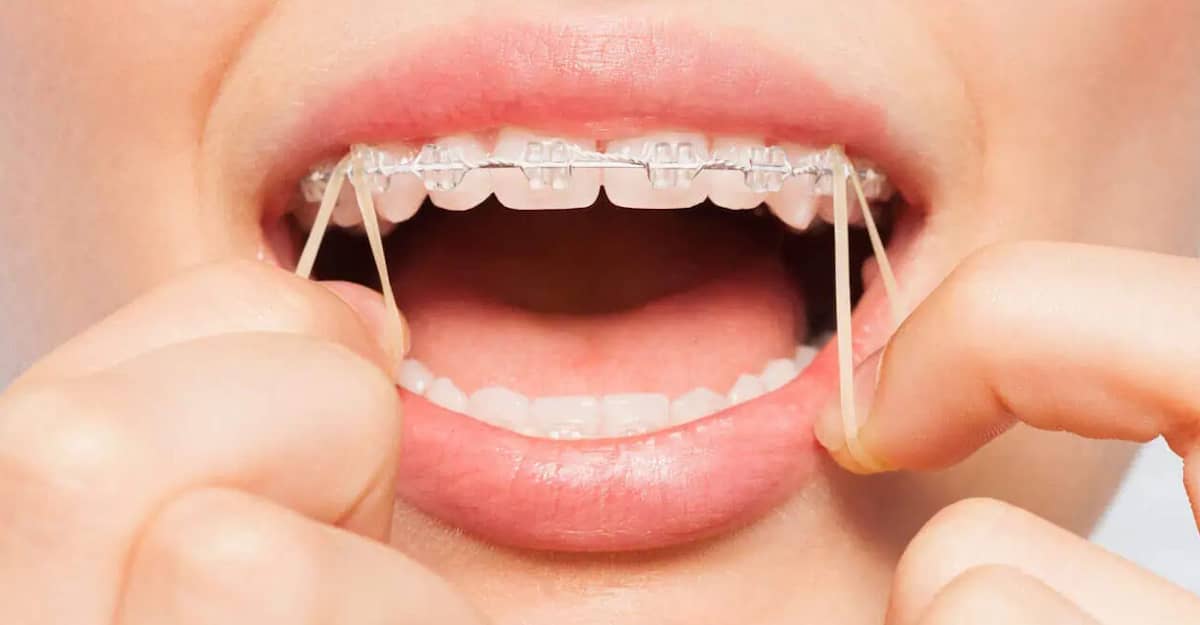
Elastic bands (interarch elastics) are rubber bands that connect the upper and lower jaws. They create directional pressure, helping align the bite, improve tooth contact, and balance jaw function. Patients remove and replace these elastics themselves, following the pattern prescribed by their doctor. Wearing them consistently is key to fast, effective results.
Elastic chains (power chains, elastoforce) are used to gradually close gaps between teeth. They create even, sustained pressure and help form a tight, beautiful dental arch. These elastics are often used after the main straightening phase when you need to perfect your smile.
Separators are special rubber bands placed before fitting the braces. They temporarily push teeth apart, creating small spaces so the orthodontist can painlessly install metal bands on molars. Separators are typically worn for a few days and then removed.
All these elastic varieties work together to create precise, controlled tooth movement in the right direction. They ensure smooth bite correction, help avoid discomfort, and deliver an aesthetic, stable result after treatment. Plus, you can choose your elastic colors yourself. Color choice doesn’t affect treatment effectiveness, but it can boost your mood.
How Rubber Bands Work to Correct Your Bite
Rubber bands for braces are an essential part of effective orthodontic treatment. They create directional pressure on teeth and jaws that gradually moves teeth into proper position and aligns your bite. When elastics are attached to brackets or between the upper and lower jaws, they pull teeth through the braces’ archwire in a specific direction. This strengthens contact between dental arches, creates proper occlusion, and harmonious jaw positioning, making your smile not only straight but functionally correct.
For elastics to work as effectively as possible, they need to be worn constantly, according to the schedule prescribed by your orthodontist. You should only remove elastics during meals or tooth brushing. Even short breaks reduce treatment effectiveness, slow tooth movement, and can extend the entire orthodontic correction course.
Consistent elastic wear ensures fast, precise bite correction, helps fix various bite types—overbite, underbite, open bite, or crossbite—and guarantees stable treatment results. The key point: only proper, constant elastic use will achieve a harmonious, healthy smile without unnecessary discomfort.
How to Properly Put Rubber Bands on Braces: Step-by-Step Instructions
How you put them on and wear them determines the speed and effectiveness of your bite correction. To make the process comfortable and safe, follow these recommendations.
Who puts on the elastics:
Patient does it independently: This applies to interarch bands that connect upper and lower jaws. Your orthodontist will show you in detail where to attach elastics, how often to change them, and create a wearing schedule.
Orthodontist: Changes ligatures, elastic chains, and other elastics that secure the archwire in brackets during regular appointments.
Step-by-step instructions for putting on rubber bands:
Wash your hands Before touching elastics or braces, thoroughly wash your hands to prevent bacteria from reaching your teeth and gums.
Take the elastic Use your fingers or the special hook your orthodontist uses to position the elastic on the correct brackets.
Attach the elastic properly Make sure the elastic isn’t twisted and is stretched evenly, exactly as your doctor showed you.
Check for comfort The elastic shouldn’t rub your gums, prevent you from closing your mouth, or cause significant discomfort.
Repeat the procedure for all elastics if there are several
What not to do:
Don’t stretch the elastic tighter than your orthodontist showed you
Don’t skip wearing time. Skipping slows treatment and reduces effectiveness
Don’t wear someone else’s or old elastics that have fallen out or lost elasticity
Don’t leave elastics in during meals or tooth brushing unless your doctor allows it
By following these simple steps, you’ll ensure maximum elastic effectiveness, minimize discomfort, and speed up bite correction. Constant, proper elastic wear helps teeth and jaws move in the right direction, and treatment results will be harmonious and predictable.
How Often Should You Change Rubber Bands on Braces?
Each elastic type has its own replacement schedule, which is important to follow—otherwise treatment effectiveness decreases.
Ligatures are replaced by your orthodontist during regular visits, usually every 4-5 weeks. Ligatures lose elasticity over time, and if not changed on schedule, the archwire may work less effectively and teeth move more slowly.
Interarch bands that connect upper and lower jaws are replaced by patients themselves. This should be done daily, at least once per day, so pressure remains stable and teeth move in the right direction. Late replacement of interarch bands can slow bite alignment and cause jaw discomfort.
Elastic chains (power chains, elastoforce) replacement depends on the clinical situation: sometimes after a few hours, sometimes after 1-2 weeks, per orthodontist recommendation.
Regular replacement of all elastic types is extremely important. Over time, they lose elasticity, stretch, or darken from food and drinks, which reduces their effectiveness. Late replacement can slow treatment, decrease results, and even cause discomfort during wear.
How Long Should You Wear Rubber Bands on Braces?
Interarch elastics should be worn 22-24 hours per day, removing them only during meals or tooth brushing.
Wearing duration depends on the treatment stage—usually several months, sometimes until the end of the course. Adaptation to elastics takes 3-7 days, after which they become almost unnoticeable. Consistent wear ensures fast, stable results.
What to Do If an Elastic Breaks or Falls Out
Elastics can break from wear, mechanical damage, or improper placement. If this happens, immediately replace them with new ones following your doctor’s pattern. It’s always helpful to have spare elastics on hand so treatment stays effective.
Caring for Rubber Bands on Braces
Rubber bands for braces are small but very important helpers in orthodontic treatment. For them to work effectively and last longer, follow a few simple care rules.
Before putting on elastics, always wash your hands. This helps prevent bacteria from reaching your braces and teeth, which can trigger gum inflammation or bad breath.
After every meal, brush your teeth and rinse your mouth. Food can get stuck around braces and elastics, and food debris promotes plaque and cavities. For more thorough cleaning, use orthodontic brushes, interdental brushes, and a water flosser to reach hard-to-access areas between teeth and under the archwire.
If you use dental floss, do so carefully without pulling hard on elastics and braces to avoid damaging the elastics and system hardware.
Another important point is diet. Avoid hard and sticky foods: nuts, hard candies, gum, or caramels can stretch or damage elastics, reducing treatment effectiveness and creating discomfort.
What not to do:
Don’t change elastic tension yourself—this can disrupt braces function and slow tooth movement
Don’t bend or straighten hooks while putting on elastics—you could damage brackets or injure gums
Don’t leave old or broken elastics without replacement—loss of elasticity reduces pressure on teeth and slows bite correction
By following these simple rules, you’ll not only extend elastic life but ensure comfortable, effective treatment, and the result—straight teeth and harmonious bite—will be predictable and stable.
Common Questions About Rubber Bands for Braces
Does wearing elastics hurt?
You may feel slight discomfort the first few days, but you’ll get used to them.
Can I skip wearing elastics?
No, this will slow treatment and reduce effectiveness.
What happens if I forget to put elastics on?
Even short breaks reduce pressure and slow tooth movement.
Can I eat with elastics in?
It’s better to remove interarch bands during meals, then put them back immediately after.
How do elastics affect speech?
Adaptation usually takes 2-3 days.
Do they cause allergies?
Rarely. Latex-free elastics are available for sensitive patients.
Can I use regular rubber bands?
Absolutely not — they are not sterile, do not have the necessary elasticity, and can damage braces or teeth.
 (044) 394 90 94
  Holosiivska/Demiivska metro station












Your email will not be published on the site.