Special offer! Comprehensive professional teeth cleaning for only 1699 UAH.
Special offer! Comprehensive professional teeth cleaning for only 1699 UAH.
Special offer! Comprehensive professional teeth cleaning for only 1699 UAH.
Special offer! Comprehensive professional teeth cleaning for only 1699 UAH.
Special offer! Comprehensive professional teeth cleaning for only 1699 UAH.
Special offer! Comprehensive professional teeth cleaning for only 1699 UAH.
Special offer! Comprehensive professional teeth cleaning for only 1699 UAH.
Special offer! Comprehensive professional teeth cleaning for only 1699 UAH.
Special offer! Comprehensive professional teeth cleaning for only 1699 UAH.
Special offer! Comprehensive professional teeth cleaning for only 1699 UAH.
Sign up
 (044) 394 90 94
(044) 394 90 94  Holosiivska/Demiivska metro station
Doctors


 Prices
Blog
Contacts
Prices
Blog
Contacts
пр.Лобановського, 130, Київ, Україна
Temporarily closed
Opening soon
78A, Irpinska St., Kyiv, Ukraine
Temporarily closed
Opening soon
32A, Heroiv Dnipra St., Kyiv, Ukraine
Temporarily closed
Opening soon
9B, Yevhena Chykalenko St. (Pushkinska), Kyiv, Ukraine
Temporarily closed
Opening soon
Sign up
En
(044) 394 90 94
Back
Dentistry
General Dentistry
Dental surgery
Dental Implants
Maxillofacial Surgery
Dental prosthetics
Cosmetic dentistry

Professional Dental Hygiene

Periodontics
Orthodontic dentistry

Gnathology & TMJ Therapy

Pediatric Dentistry
Dental X-Rays
Back
Orthodontic Center
Orthodontic dentistry
Gnathology & TMJ Therapy
Back
Prosthodontic Center
Dental prosthetics
Back
MED-DEO Center for Maxillofacial Surgery & Facial Plastics
Maxillofacial Surgery
Plastic surgery
Back
Surgical Dental Center
Dental surgery
Dental Implants
Search on the site


Popular requests
Teeth whitening
Treatment of caries
Wisdom tooth extraction
Bracket system
Dental veneers
Tooth restoration
Pediatric dentist
Consultation with a dentist-therapist
Search results by: «».
Unfortunately, no results were found for your search: “Pediatric Endocrinologist”, nothing was found.
You may find these links useful:
Clinics "MED-DEO"
пр.Лобановського, 130, Київ, Україна
Temporarily closed
Opening soon
78A, Irpinska St., Kyiv, Ukraine
Temporarily closed
Opening soon
32A, Heroiv Dnipra St., Kyiv, Ukraine
Temporarily closed
Opening soon
9B, Yevhena Chykalenko St. (Pushkinska), Kyiv, Ukraine
Temporarily closed
Opening soon
Services
Dentistry Orthodontic Center Prosthodontic Center MED-DEO Center for Maxillofacial Surgery & Facial Plastics Surgical Dental CenterGeneral Dentistry
Dental surgery
Dental Implants
Maxillofacial Surgery
Dental prosthetics
Cosmetic dentistry
Professional Dental Hygiene
Periodontics
Orthodontic dentistry
Gnathology & TMJ Therapy
Pediatric Dentistry
Dental X-Rays
Orthodontic dentistry
Gnathology & TMJ Therapy
Dental prosthetics
Maxillofacial Surgery
Dental surgery
Dental Implants
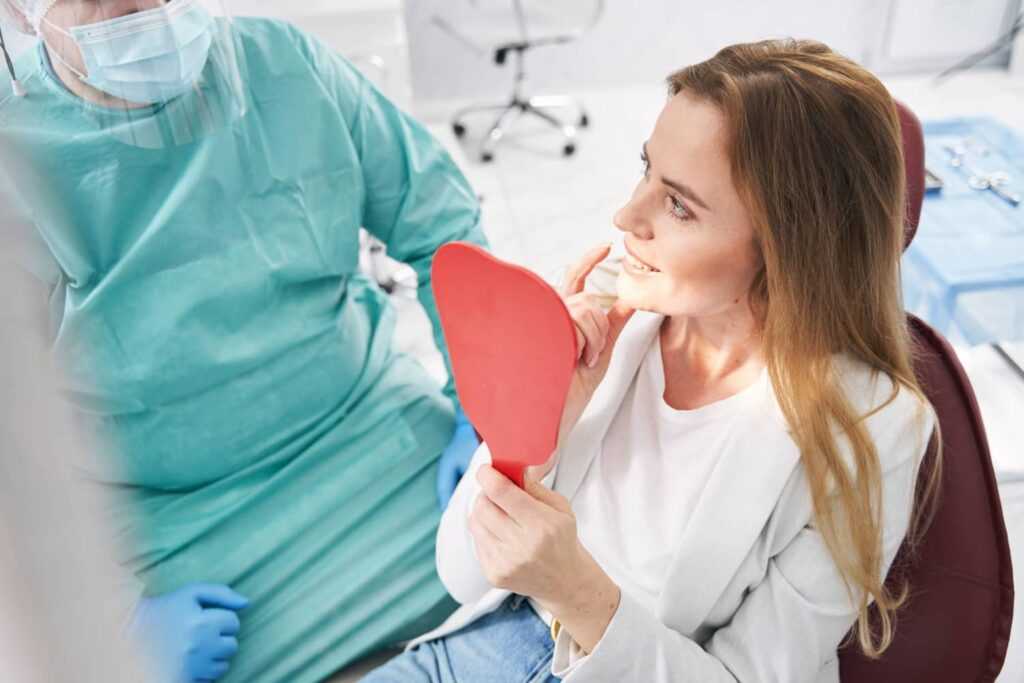

Cavity prevention is a set of at-home and professional measures aimed at preventing tooth decay and maintaining overall dental health. Prevention matters because cavities are one of the most common dental conditions today, affecting up to 90% of people over the course of their lifetime.
Dental prevention can be divided into at-home and professional care. At-home care helps remove plaque and reduce bacteria on a daily basis, protecting teeth from decay. Modern dental procedures involve the thorough removal of hardened deposits (tartar), enamel strengthening, and early detection of cavities. At home, cavities are usually only noticed once they become visible or start causing pain or other discomfort.
IN THIS ARTICLE, WE’LL COVER: why cavities develop, the types of cavity prevention, how diet affects decay prevention, and the specifics of prevention for children versus adults.
Why Cavities Develop: Main Causes and Risk Factors
To understand how to effectively prevent cavities, it helps to understand their root cause and the mechanism behind their development. It’s actually fairly straightforward.
Food (usually due to sugars) leads to the formation of dental plaque – a biofilm made up of a thin layer of bacteria, the primary one being Streptococcus mutans. This bacterium breaks down sugars from food and produces acids. These acids lower the pH of saliva, triggering a process called demineralization – essentially the “washing out” of beneficial minerals from tooth enamel. As a result, the enamel becomes thinner, weaker, and more prone to decay. Cavities first affect the enamel and dentin (the layer beneath it), and if left untreated, they eventually reach the pulp – the tooth’s nerve. At that point, the pain intensifies and treatment becomes more complex. In short, the main cause of cavities is enamel breakdown from bacterial buildup.
However, enamel can also thin due to wear – for example, from bruxism (teeth grinding) or excessive chewing strain. Overall, the main risk factors for cavities include:
- Poor oral hygiene
- Excessive sugar consumption
- Genetic predisposition
- Dry mouth
- Malocclusion (bite misalignment)
- Plaque and tartar buildup
- Infrequent dental checkups
It’s worth understanding that identifying the root cause doesn’t just help eliminate a cavity – it helps prevent it from coming back. Modern dental disease prevention addresses all of these factors, helping minimize risks before problems even begin.
Types of Cavity Prevention: Exogenous and Endogenous
In dentistry, prevention is divided into exogenous and endogenous approaches – in simple terms, external and internal prevention, respectively. Here’s a closer look at each.
Exogenous (external) cavity prevention works directly on the tooth surface. These methods include:
- Professional teeth cleaning
- Fluoride treatment
- Remineralizing therapy
- Fissure sealing
- Early-stage cavity treatment
For example, remineralization saturates tooth enamel with essential minerals, while fluoride treatment increases its resistance to acids – both of which protect enamel from bacterial buildup. Fissure sealing closes the natural grooves in teeth, likewise protecting them from bacterial plaque accumulation.
Endogenous (internal) prevention focuses on strengthening teeth from within. This includes:
- A balanced diet
- Limiting dietary sugar
- Adequate water intake
- Taking vitamins and minerals as recommended by a doctor, if needed
The best results come from combining external and internal measures. Comprehensive dental disease prevention can effectively ward off both cavities and other dental issues.
Dental consultation
Dental Consultation in KyivDiet Against Cavities: What Strengthens and What Damages Enamel
Diet has a direct impact on dental health and can either help or harm your enamel. You could say certain foods are enamel’s “friends,” while others are its “enemies.” Let’s take a closer look.
Foods that support dental health:
- Firm vegetables and fruits – provide natural self-cleaning of teeth
- Calcium-rich dairy products – help maintain enamel strength
- Fish and seafood – contain phosphorus, vitamin D, and calcium, all beneficial for teeth
- Clean drinking water – washes away food residue and bacteria, and relieves dry mouth
- Fluoride-containing products – also help strengthen enamel
Foods and habits that harm dental health:
- Sweets and sugar in general – feed cavity-causing bacteria
- Carbonated drinks – their acids damage enamel
- Sticky desserts – linger longer on teeth and encourage plaque buildup
- Frequent carb-heavy snacking – creates favorable conditions for decay
- Eating sugary foods before bed – further increases the risk of cavities
It’s also worth noting that saliva, not just food, plays a key role in dental health. It neutralizes acids and takes part in the remineralization process (enamel strengthening). When the mouth is dry, saliva’s protective properties diminish – increasing the risk of cavities.
Cavity Prevention at Different Life Stages
The rules of cavity prevention remain relevant for both children and adults throughout life, though they vary depending on age and life stage.
Cavity Prevention in Children
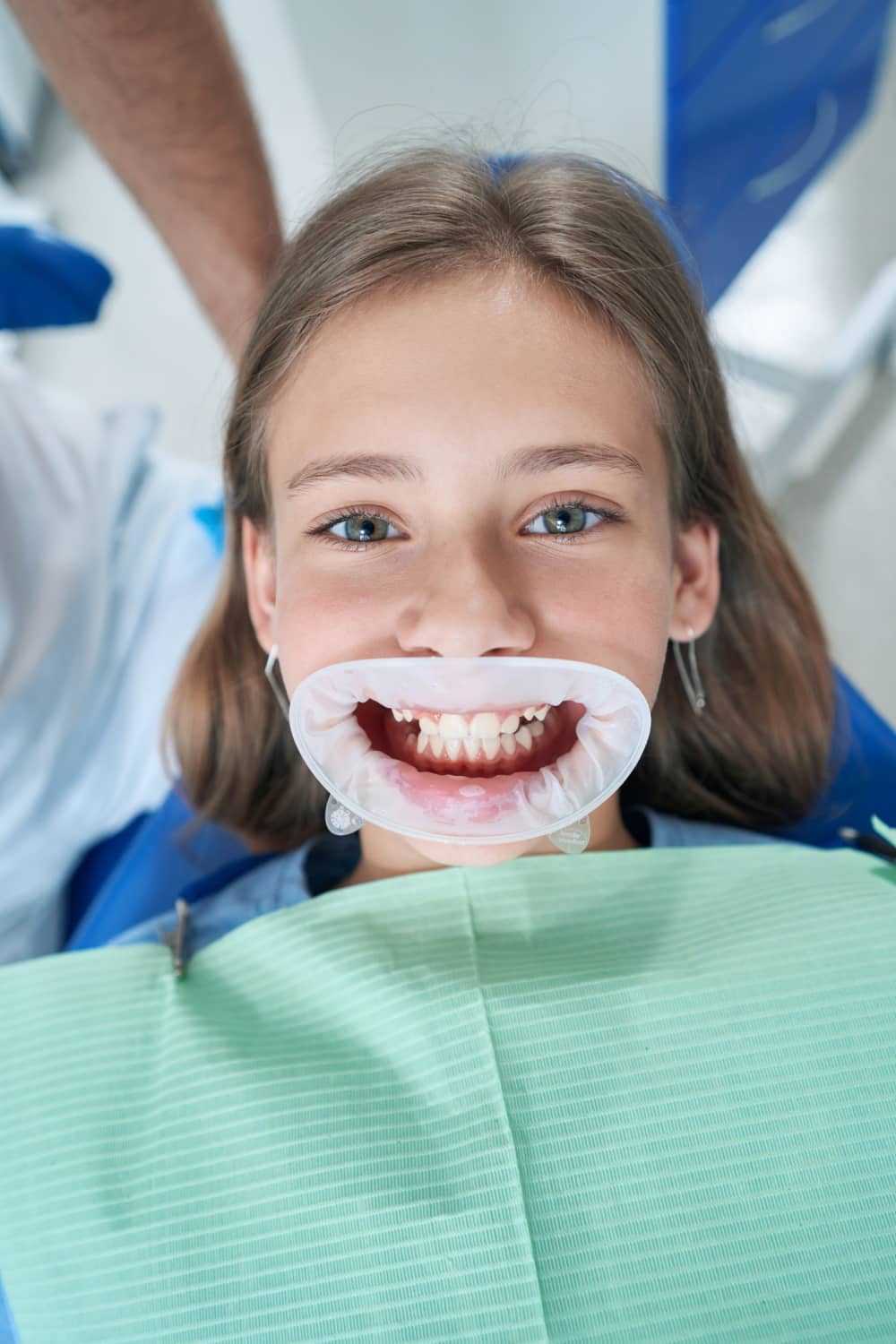
Cavity prevention in children lays the foundation for lifelong dental health, since care should begin as soon as the first tooth erupts.
Key recommendations include:
- Regular brushing with parents – effectively removes plaque and gradually builds good hygiene habits
- Soft-bristled toothbrush only – gently cleans teeth and gums without causing damage
- Age-appropriate fluoride toothpaste for children – strengthens enamel
- Using dental floss only as recommended by a dentist – cleans hard-to-reach areas between teeth for more thorough hygiene
- Regularly monitoring a child’s diet, especially limiting sugar – reduces the risk of cavities
- Building a habit of regular dental checkups – fosters trust in doctors and ensures timely detection of any issues
Fissure sealing is especially important for children – it’s essentially a key procedure that protects molars from bacterial buildup in their natural grooves.
Cavity Prevention in Adults and During Pregnancy
For adults, the main factor is maintaining consistent dental care throughout life. The best way for adults to prevent cavities is:
- Brushing teeth twice a day
- Regular flossing
- Using an interdental brush and oral irrigator, if recommended by a dentist
- Using mouthwash (if there are no contraindications)
- Eating a balanced diet – less sugar, more whole foods, and adequate water intake
- Quitting smoking and avoiding carbonated drinks
- Wearing a protective night guard if you grind your teeth (bruxism)
- Getting regular dental and gum checkups every six months
It’s worth noting that dental disease prevention for pregnant women is somewhat different. Extra attention to hygiene and diet is needed, since hormonal changes can increase the risk of dental problems. Checkups are recommended approximately every three months, and any treatment should only be carried out after consulting both a dentist and an OB-GYN.
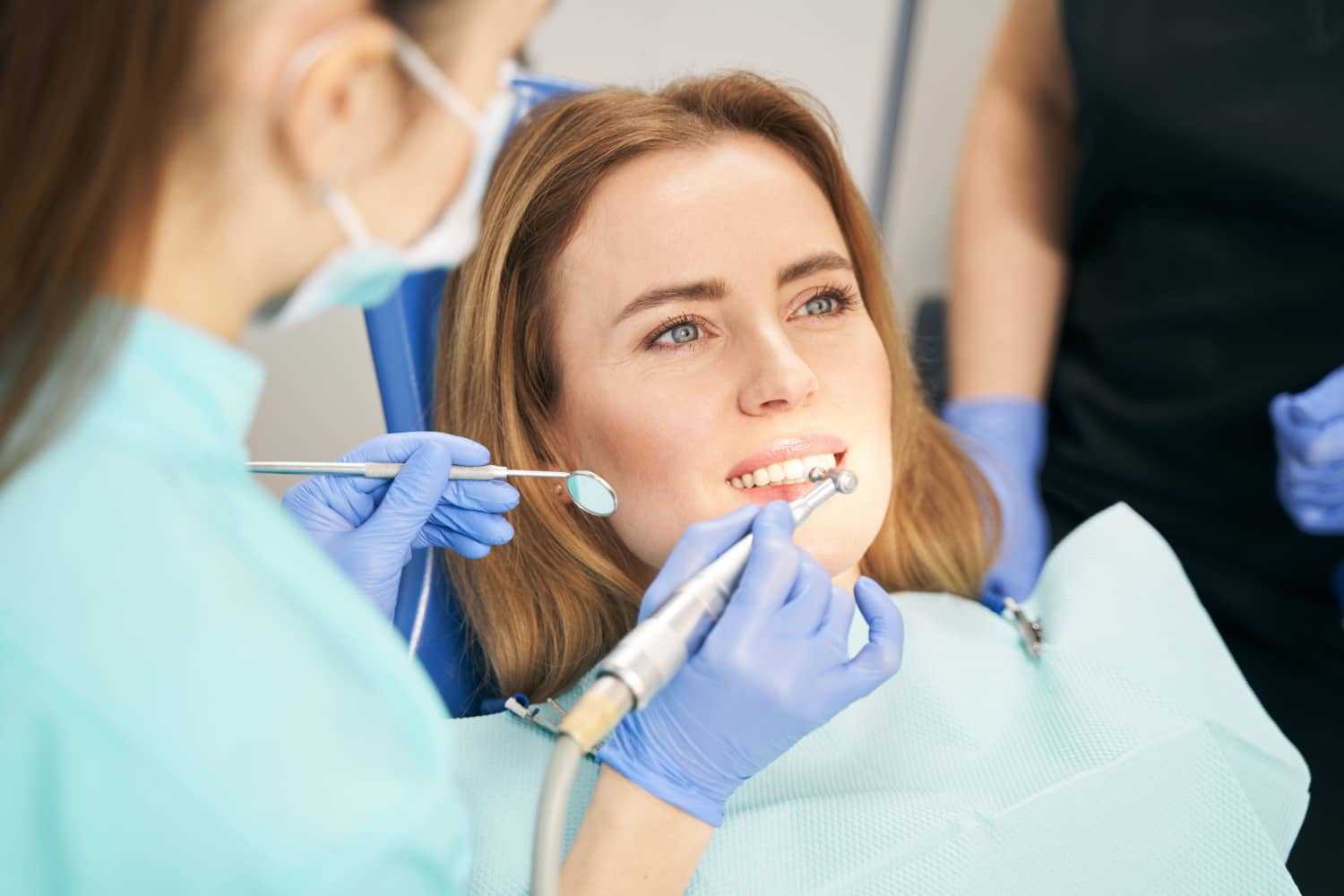
Professional Cavity Prevention at Med-Deo
Even the most thorough and consistent at-home care can’t fully remove all deposits on teeth and gums, especially in hard-to-reach areas. That’s why professional dental prevention is also an essential part of maintaining a healthy smile.
At the multidisciplinary Med-Deo clinic, the following range of cavity prevention procedures is available:
- Professional hygiene using KaVo PROPHYflex and AirFlow systems – removes plaque, tartar, and pigmentation
- Enamel fluoride treatment and remineralizing therapy – strengthens and protects against cavities
- Fissure sealing for children and adults – protects the grooves on molars from decay
- Early diagnosis using targeted XIOS XG Supreme imaging – detects hidden problems at early stages
- Personalized selection of at-home care products – for even more effective dental hygiene
Regular prevention is the best way to avoid cavities. Catching early changes on the tooth surface in time means treatment can be as gentle and simple as possible.
Med-Deo specialists can help you build a personalized plan for at-home care and in-clinic checkups. Med-Deo has 4 locations in Kyiv and is open 7 days a week – so you can schedule a checkup whenever is most convenient for you!
Frequently Asked Questions (FAQ)
How can I prevent cavities at home?
You can prevent cavities at home by brushing your teeth regularly (twice a day), flossing, limiting sweets, and maintaining good overall oral hygiene.
Is at-home care enough without visiting a dentist?
No, at-home care alone isn’t enough. Even with good hygiene at home, deposits gradually build up on teeth over time that can only be removed professionally. This is the most effective way to prevent cavities from developing.
How does cavity prevention in children differ from that in adults?
Cavity prevention in children focuses on building habits and protecting teeth during growth. In adults, it focuses on maintaining dental health and preventing cavities throughout life.
Is it possible to avoid cavities entirely?
It’s impossible to completely rule out the risk of developing cavities. However, regular and proper oral hygiene, a balanced diet, and routine dental checkups can significantly reduce that risk.
The author of this article is Oksana Terentyeva, a prosthodontist, general dentist, oral surgeon, and periodontist.


Make an appointment
You can make an appointment by filling out the application form on the website, as well as using instant messengers:
Make an appointment
You can make an appointment by filling out the application form on the website, as well as using instant messengers:


Make an appointment easily using chatbots:
Also, call the numbers:
Modern dentistry and medical centre "MED-DEO"
Choose a clinic whose location is more convenient for you.
Kyiv, Holosiivska/Demiivska metro station
130 Lobanovskoho Avenue


Working hours:
Mon - Sun: 8:00 AM - 9:00 PM
No days off!
Call the numbers:
How to get to us? Create a route
Create a route
Kyiv, Akademistechko metro station
78A, Irpinska str.


Working hours:
Mon-Sun: 8.00-21.00
Without days off!
Call the numbers:
How to get to us?
Create a route
Create a route
Kyiv, Heroiv Dnipra metro station
32A, Heroiv Dnipra str.


Working hours:
Mon-Sun: 8.00-21.00
Without days off!
Call the numbers:
How to get to us?
Create a route
Create a route
Kyiv, Teatralna metro station
9B, E. Chykalenko (Pushkinska) str.


Working hours:
Mon-Sat: 8.00 - 21.00. Sun: by appointment.
Without days off!
Call the numbers:
How to get to us?
Create a route
Create a route
Відгук від клієнта
0:00
0:00


Your email will not be published on the site.