Black’s classification of caries is an internationally recognized system that helps quickly identify the location of a cavity and determine the most effective treatment approach.
It defines:
The location and type of caries.
The degree of access to the cavity.
The optimal treatment method.
The tooth’s load-bearing capacity after treatment.
Black’s classification was developed over a hundred years ago and remains a cornerstone of clinical dental practice worldwide. In modern dentistry, this system supports both diagnosis and treatment of carious lesions. This article covers the history behind the system, a detailed breakdown of all Black’s classes and their characteristics, and the key stages of cavity management – from removing decayed tissue to final restoration.
What Is Black’s Classification of Caries and Who Developed It
Black’s classification – a system for categorizing carious lesions by location – was introduced by an American dentist back in 1896. That dentist was Greene Vardiman Black, widely regarded as one of the founding fathers of modern dentistry.
His core idea was straightforward: classify caries based on where the lesion occurs. Different areas of a tooth have different structures, which means they bear different chewing loads and develop caries differently. It follows logically that treatment of carious defects should also differ accordingly. Rather than relying on complex medical terminology, Black proposed organizing lesions by their specific location on the tooth into classes (1-6).
This classification became an international standard largely because it’s practical and easy to grasp. It’s especially convenient for communication between dentists – the moment a clinician hears the class number, they immediately understand exactly where the cavity is and what the treatment will involve. To this day, Black’s system remains one of the foundational frameworks in dentistry.
Black’s Classes: A Complete Breakdown from 1 to 6
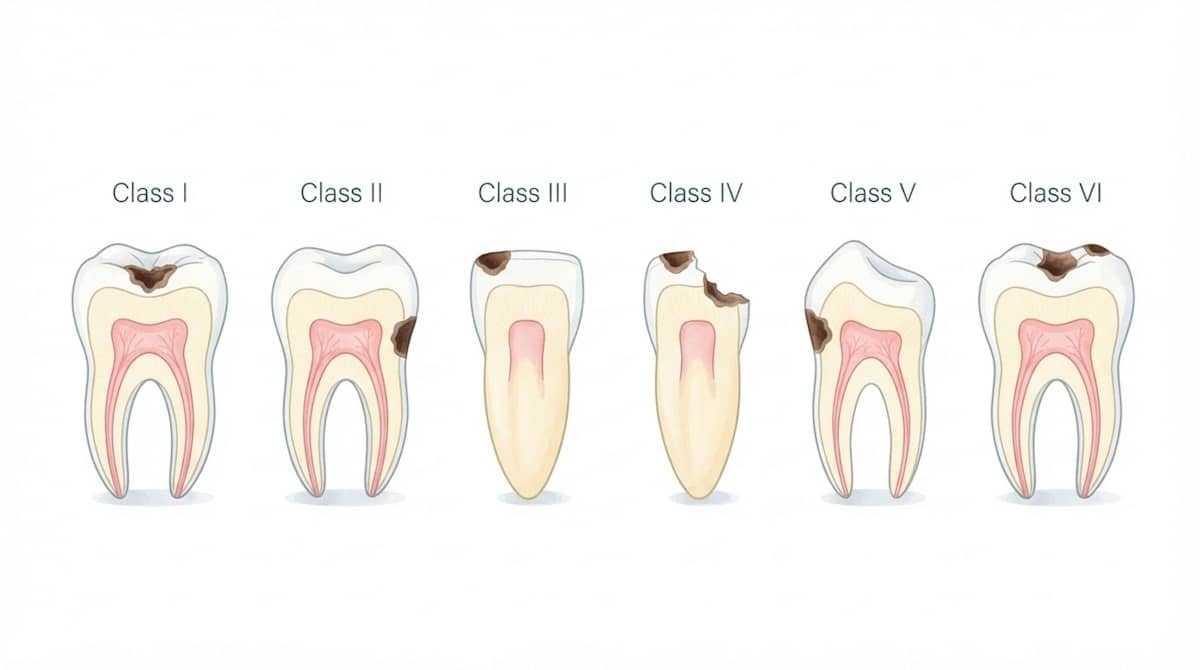
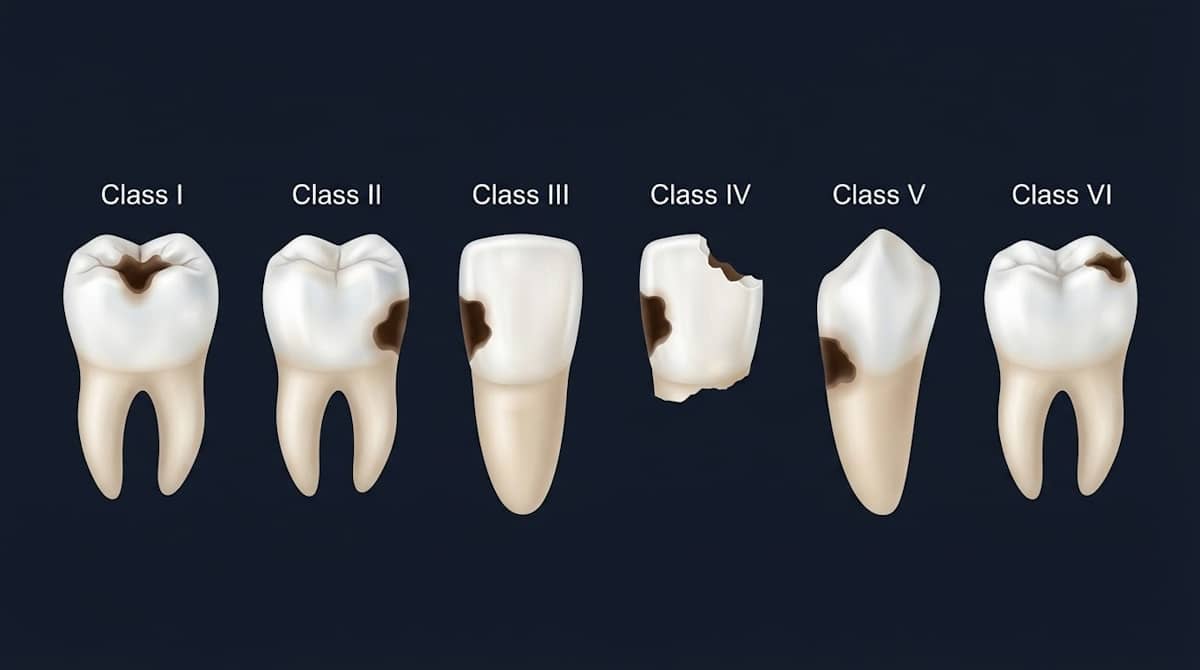
Black’s modern classes describe the location of caries on various tooth surfaces. Here’s a detailed look at each class.
Class 1: Location – fissures and pits on posterior teeth. Caries in these areas most commonly affects all posterior teeth (molars and premolars), where plaque accumulates and conditions favor bacterial growth.
Class 2: Location – contact surfaces of molars and premolars. Class 2 affects the areas between adjacent teeth, which are often invisible at early stages.
Class 3: Location – contact surfaces of incisors and canines, not involving the incisal edge. These lesions are particularly significant from an aesthetic standpoint, as they affect the front teeth.
Class 4: Location – contact surfaces of incisors and canines with involvement of the incisal edge. Caries here affects not only the appearance of the enamel but also the shape of the tooth itself, requiring restoration of both aesthetics and function.
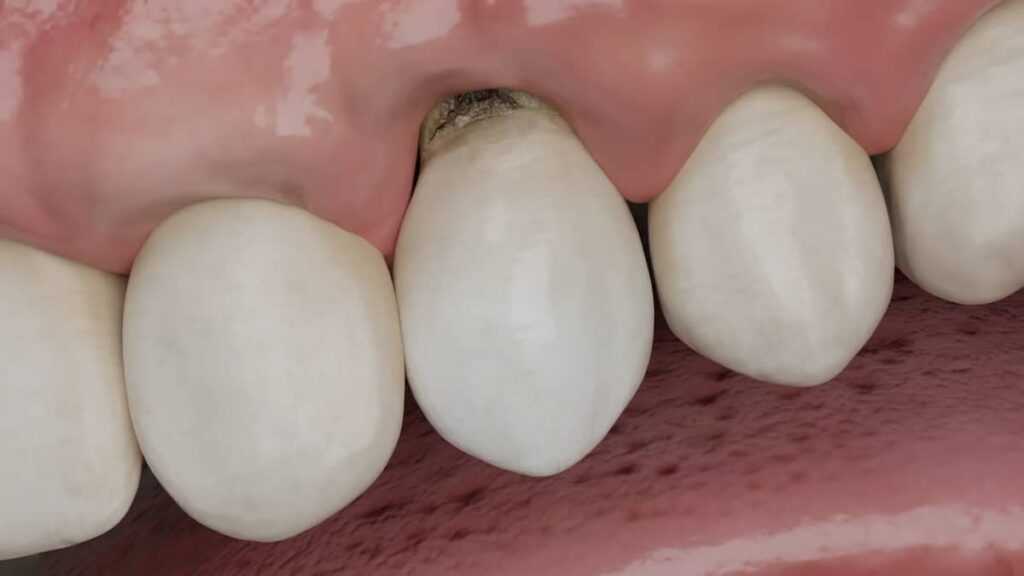
Class 5: Location – the cervical region. These lesions develop near the neck of the tooth, close to the gumline, typically due to poor oral hygiene and plaque buildup in that area.
Class 6: Location – the most prominent areas (cusps of posterior teeth and incisal edges of anterior teeth). This form of caries is less common and is usually linked to enamel wear or significant occlusal stress.
It’s worth noting that two versions of Black’s classification exist, with minor differences between them. The original system had five classes – Class 6 was added later. This is why slightly different descriptions of the system occasionally appear in the literature. Regardless, all of Black’s classes are built on the same principle: classifying caries by location.
Class 2 by Black – Why Interproximal Caries Is the Most Challenging
Interestingly, Class 2 is considered one of the most difficult to both diagnose and treat. The reason lies in the contact surface between adjacent teeth, which is hard to assess without an X-ray – cavities there are often invisible during a routine visual examination. This makes restoration and filling more technically demanding, particularly because the contact point between the teeth (the area where they meet) must be accurately reconstructed. Doing so is critical to preventing secondary caries: if the restoration is poorly executed, plaque is far more likely to accumulate again, significantly raising the risk of recurrence.
Patients with interproximal caries may go a long time without noticing any symptoms, since the cavity isn’t visible to them either. Telltale signs include discomfort while eating, sensitivity to sweets, or pain triggered by hot and cold. Even when these symptoms seem minor or unremarkable, it’s always best to consult a dentist promptly.
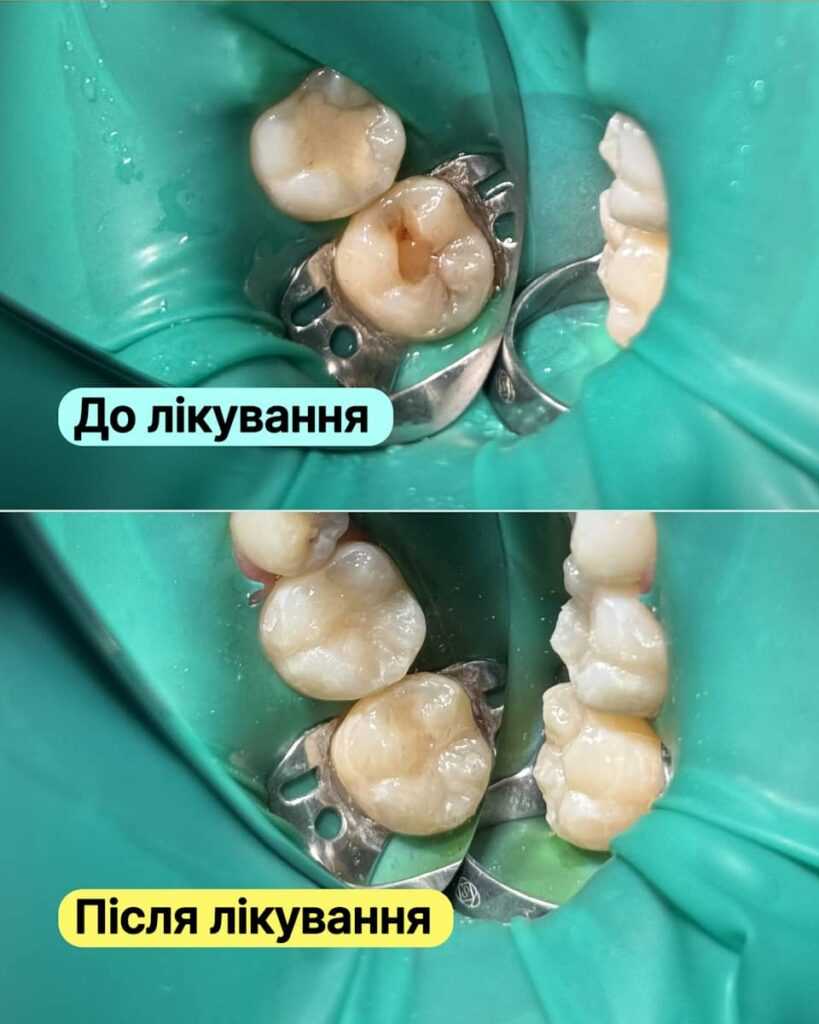
Patient’s Story 🦷 Treatment of Secondary Caries and Replacement of an Old Filling
📸 In the photo:
Before treatment — a damaged filling and secondary caries that developed underneath it.
After treatment — the tooth restored with a modern composite restoration that precisely reproduces its natural shape and chewing surface.
During treatment, the caries-affected tissues were removed and the old filling was replaced with a new composite restoration of tooth 4.6.
Timely replacement of damaged fillings helps stop the development of secondary caries, preserve healthy tooth tissues, and avoid more complex treatment in the future.
Types of Caries by Black Based on Location and Depth
While Black’s classes describe the position of a carious lesion, clinical practice also categorizes caries by both location and the depth of the process.
By location of the carious lesion:
Fissure caries – develops in the fissures of posterior teeth, which are the natural grooves on their chewing surfaces.
Interproximal caries – occurs on the contact surfaces between adjacent teeth, i.e., in the spaces between them.
Cervical caries – located near the neck of the tooth, right at the gumline.
Atypical caries – affects unusual areas of the tooth structure (such as incisal edges). This type is considerably less common.
By depth of the lesion:
Initial caries – appears as a dark or white spot with no visible cavity yet.
Superficial caries – only the enamel is damaged, presenting as minor surface defects or a small cavity.
Moderate caries – the lesion extends into the dentin (the tooth tissue beneath the enamel), forming a fairly large cavity.
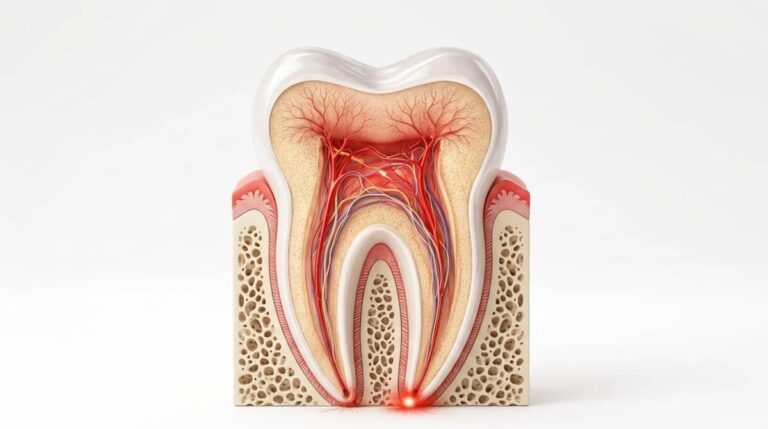
Deep caries – the lesion approaches the pulp (the nerve of the tooth), is extensive in depth, and can cause significant pain.
In this way, Black’s cavity classification is frequently used alongside an assessment of lesion depth. This combined approach allows for a comprehensive and tailored treatment plan, which may include enamel remineralization or fluoride therapy, fillings, root canal treatment if needed, or even a crown in complex cases.
Cavity Preparation by Black: Key Stages
Black’s preparation technique is a classic, time-tested approach in dentistry. It provides a reliable foundation for long-lasting restorations by ensuring complete removal of all carious tissue before filling.
The full cycle of cavity preparation according to Black involves the following stages:
STAGE 1: Opening the cavity – gaining access to the affected tissue.
STAGE 2: Extending the cavity as needed – removing damaged enamel and dentin that have lost structural integrity and softened.
STAGE 3: Necrectomy – thorough removal of all infected tissue destroyed by bacteria and decay. In plain terms, this is the complete elimination of all carious material.
STAGE 4: Shaping the cavity for the filling – creating the right geometry to ensure reliable retention of the restorative material.
STAGE 5: Final finishing and enamel polishing – smoothing out all irregularities and creating clean margins so the filling sits flush.
Once this full preparation cycle is complete, the tooth is filled – most commonly with light-cured composite materials. The choice of material is individualized, factoring in the Black’s class (i.e., the location of the caries), the expected occlusal load on the tooth, and the patient’s aesthetic preferences.
The Modern Perspective: Is Black’s Classification Still Relevant Today?
Despite the rapid advances in dentistry, Black’s classification remains a valid and widely used diagnostic framework. Modern techniques simply build on it – today’s clinicians prioritize minimal intervention, preserving as much healthy tooth structure as possible. In the past, preparation involved removing more tissue as a preventive measure against future caries. Nowadays, dentists aim to conserve healthy enamel and dentin to the greatest extent possible when clearing carious areas.
Beyond active treatment, ongoing prevention remains essential even after caries have been addressed using Black’s classes. To maintain long-term dental health, clinicians recommend regular checkups to monitor previously treated cavities – early detection makes all the difference.
Home care is equally important: a consistent oral hygiene routine, daily use of dental floss or interdental brushes, and choosing the right toothbrush and toothpaste for your individual needs (ideally selected with your dentist’s guidance). All of this goes a long way toward keeping your smile healthy for as long as possible!
Frequently Asked Questions (FAQ)
How many Black’s classes are there?
There are 6 classes in Black’s classification today, though the original system had only 5. The 6th class was added later.
Which Black’s class is the most difficult to treat?
Class 2 is generally considered the most challenging. It encompasses caries located between adjacent teeth, which is harder to diagnose and particularly tricky to restore – accurately recreating the natural contact point between neighboring teeth is a technically demanding procedure.
What is Black’s cavity preparation?
Black’s cavity preparation is the classic method of preparing a carious cavity before placing a filling. It involves complete removal of all decayed tissue and shaping the cavity to securely hold the restorative material.
The author of this article is Olena Tomashevska, a prosthodontist and general dentist.
 (044) 394 90 94
  Holosiivska/Demiivska metro station























Your email will not be published on the site.