Special offer! Comprehensive professional teeth cleaning for only 1699 UAH.
Special offer! Comprehensive professional teeth cleaning for only 1699 UAH.
Special offer! Comprehensive professional teeth cleaning for only 1699 UAH.
Special offer! Comprehensive professional teeth cleaning for only 1699 UAH.
Special offer! Comprehensive professional teeth cleaning for only 1699 UAH.
Special offer! Comprehensive professional teeth cleaning for only 1699 UAH.
Special offer! Comprehensive professional teeth cleaning for only 1699 UAH.
Special offer! Comprehensive professional teeth cleaning for only 1699 UAH.
Special offer! Comprehensive professional teeth cleaning for only 1699 UAH.
Special offer! Comprehensive professional teeth cleaning for only 1699 UAH.
Sign up
 (044) 394 90 94
(044) 394 90 94  Holosiivska/Demiivska metro station
Sign up
(044) 394 90 94
(044) 394 90 94
Doctors


 Prices
Blog
Contacts
Prices
Blog
Contacts
пр.Лобановського, 130, Київ, Україна
Temporarily closed
Opening soon
78A, Irpinska St., Kyiv, Ukraine
Temporarily closed
Opening soon
32A, Heroiv Dnipra St., Kyiv, Ukraine
Temporarily closed
Opening soon
9B, Yevhena Chykalenko St. (Pushkinska), Kyiv, Ukraine
Temporarily closed
Opening soon
(044) 394 90 94
Back
Dentistry
General Dentistry
Dental surgery
Dental Implants
Maxillofacial Surgery
Dental prosthetics
Cosmetic dentistry

Professional Dental Hygiene

Periodontics
Orthodontic dentistry

Gnathology & TMJ Therapy

Pediatric Dentistry
Dental X-Rays
Back
Orthodontic Center
Orthodontic dentistry
Gnathology & TMJ Therapy
Back
Prosthodontic Center
Dental prosthetics
Back
MED-DEO Center for Maxillofacial Surgery & Facial Plastics
Maxillofacial Surgery
Plastic surgery
Back
Surgical Dental Center
Dental surgery
Dental Implants
Search on the site


Popular requests
Teeth whitening
Treatment of caries
Wisdom tooth extraction
Bracket system
Dental veneers
Tooth restoration
Pediatric dentist
Consultation with a dentist-therapist
Search results by: «».
Unfortunately, no results were found for your search: “Pediatric Endocrinologist”, nothing was found.
You may find these links useful:
Clinics "MED-DEO"
пр.Лобановського, 130, Київ, Україна
Temporarily closed
Opening soon
78A, Irpinska St., Kyiv, Ukraine
Temporarily closed
Opening soon
32A, Heroiv Dnipra St., Kyiv, Ukraine
Temporarily closed
Opening soon
9B, Yevhena Chykalenko St. (Pushkinska), Kyiv, Ukraine
Temporarily closed
Opening soon
Services
Dentistry Orthodontic Center Prosthodontic Center MED-DEO Center for Maxillofacial Surgery & Facial Plastics Surgical Dental CenterGeneral Dentistry
Dental surgery
Dental Implants
Maxillofacial Surgery
Dental prosthetics
Cosmetic dentistry
Professional Dental Hygiene
Periodontics
Orthodontic dentistry
Gnathology & TMJ Therapy
Pediatric Dentistry
Dental X-Rays
Orthodontic dentistry
Gnathology & TMJ Therapy
Dental prosthetics
Maxillofacial Surgery
Dental surgery
Dental Implants
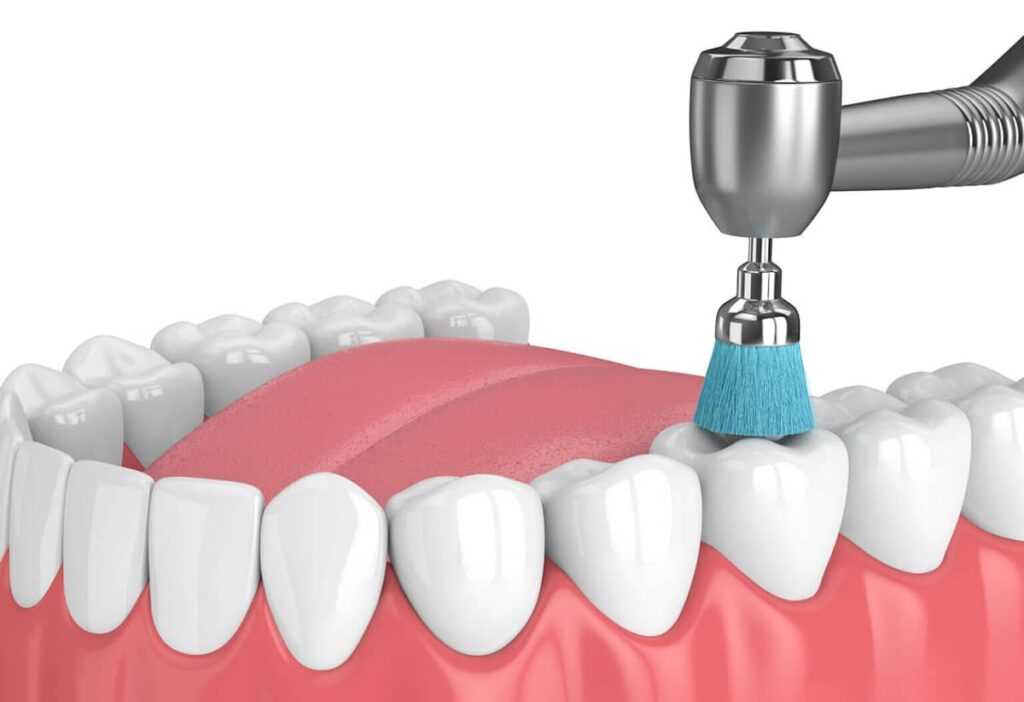

What is tooth polishing? It is a simple yet very important step in professional dental cleaning that is often underestimated. Polishing makes teeth perfectly smooth after plaque and tartar removal, making it harder for bacteria to adhere to the enamel — so teeth stay clean and bright for longer. The procedure is quick, completely painless, and harmless to teeth. After polishing, your smile looks more well-groomed, and the risk of cavities, bleeding gums, and plaque re-formation is noticeably reduced. It is the finishing touch that makes professional dental hygiene truly effective.
What Is Tooth Polishing and How Does It Affect Health?
Tooth polishing is a professional hygiene procedure in which the dentist eliminates micro-irregularities, roughness, and residual dental deposits from the enamel surface. Even after thorough cleaning, microscopic areas may remain on teeth where bacteria can easily attach. This is why special polishing pastes and instruments are used to make the enamel smooth and even.
A smooth tooth surface significantly reduces plaque accumulation and tartar formation. As a result, the bacterial load in the oral cavity decreases and teeth stay clean for longer. From a health perspective, tooth polishing is an effective prevention of cavities, helps reduce gum inflammation, improves the condition of enamel, and promotes fresh breath.
It is important to understand that polishing in dentistry has more than just a cosmetic effect. Yes, after the procedure teeth look brighter and more well-maintained, but the main value lies in its therapeutic and preventive action, which supports the long-term health of teeth and gums.
The Difference Between Grinding and Polishing Teeth
Grinding and polishing are different stages of enamel surface treatment that serve different purposes. Grinding is a more intensive process aimed at levelling the tooth surface. It is performed after the removal of large dental deposits, as well as during the correction of fillings or restorations when irregularities and excess material need to be eliminated. Abrasive instruments with a coarser grit are used for this purpose.
Tooth enamel polishing is the final, finishing stage. It is performed after grinding or immediately after professional cleaning if the tooth surface is already sufficiently even. During polishing, fine-grained pastes are applied that give teeth smoothness, shine, and additional protection against plaque.
In dental practice, these procedures are often combined — polishing is performed after cleaning to achieve the smoothest possible surface, better aesthetics, and a reduced risk of plaque re-formation.
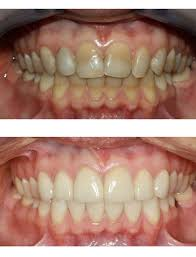
Why Is Tooth Polishing Needed?
Tooth polishing addresses several goals at once: it improves the appearance of your smile, protects teeth, and maintains gum health. From an aesthetic standpoint, polishing helps restore the natural shine of enamel, removes surface stains from coffee, tea, or tobacco, and evens out tooth colour. That is why tooth polishing is often performed before important events when a quick and visible result is needed without whitening.
The preventive value of tooth polishing is equally significant. Smooth enamel accumulates less bacterial plaque, which reduces the risk of developing gingivitis, periodontitis, and cavities. Fluoride-containing polishing pastes may be used during the procedure to additionally strengthen enamel and enhance its protective properties.
Tooth polishing also performs therapeutic functions. It helps relieve discomfort after professional cleaning, smooths micro-cracks and enamel roughness, reduces tooth sensitivity, and consolidates the results of dental treatment. That is why this procedure is an important part of comprehensive oral care.
When Is Tooth Polishing Recommended?
Tooth enamel polishing is most often mandatory after professional hygiene. It is performed after ultrasonic cleaning, Air Flow, scaling, and tartar removal to make the tooth surface as smooth as possible. The procedure is also recommended after fillings — especially in the anterior zone — after dental restorations, and after removal of braces.
Tooth polishing is advisable in the presence of pigment stains, a feeling of enamel roughness after home hygiene, in smokers, and in people who frequently consume staining foods and drinks. The procedure is often chosen before important events or included in regular preventive care to maintain the health of teeth and gums.
As indicated by a dentist, tooth polishing may be performed for increased enamel sensitivity using gentle pastes, before teeth whitening, or during orthodontic treatment. In such cases, the technique is selected individually.
Contraindications to Tooth Polishing
Despite being safe, tooth polishing has certain contraindications. Absolute contraindications include acute inflammatory processes in the oral cavity, ulcers and damage to the mucous membranes, unhealed wounds after dental surgery, and severe systemic diseases in acute stages.
Relative contraindications include bleeding gums — in such cases, periodontal treatment is required first. Tooth polishing is deferred when large cavities are present until they are addressed, as well as when the enamel is very thin or damaged, requiring an especially careful approach. Routine dental procedures are generally recommended to be postponed during the first trimester of pregnancy.
The final decision regarding tooth polishing is always made by the dentist after examination and assessment of the condition of the teeth and gums.
How the Tooth Polishing Procedure Is Performed
Tooth polishing is a clear and predictable procedure carried out according to a defined protocol. Knowing the steps helps the patient feel at ease and understand the purpose of each stage.
Step 1. Preparation The dentist examines the oral cavity, assesses the condition of the enamel and gums, checks for plaque, fillings, or restorations. At this stage, the doctor determines which instruments and pastes will be used and whether additional procedures are needed.
Step 2. Preliminary Cleaning If required, professional teeth cleaning is performed — using ultrasound, Air Flow, or a combined method. It is important to understand that tooth polishing is always performed after plaque and tartar removal.
Step 3. Grinding The dentist eliminates coarse enamel irregularities and remaining deposits using coarser-grit pastes. Particular attention is paid to chewing surfaces and areas where plaque accumulates most often.
Step 4. Polishing Proper Teeth are treated sequentially with pastes of varying abrasiveness — from medium to fine-grained. All surfaces of the tooth are polished: front, back, chewing, and interdental spaces.
Step 5. Finish Treatment The finest polishing pastes are applied to ensure perfect smoothness and the natural shine of the enamel.
Step 6. Fluoridation (if required) As indicated, fluoride-containing or remineralising agents are applied to the teeth to additionally strengthen enamel and reduce sensitivity.
On average, the entire tooth polishing procedure takes between 15 and 30 minutes — depending on the condition of the teeth and the scope of work.
Instruments and Materials for Polishing
Professional brushes, rubber cups, polishing heads, and special pastes of varying grit sizes are used for tooth polishing. Polishing strips may be applied for interdental spaces. All materials are selected individually, taking into account the condition of the enamel and the presence of restorations.
Is Tooth Polishing Painful?
Tooth polishing is a painless procedure and generally does not require anaesthesia. Discomfort is only possible with increased enamel sensitivity or gum inflammation, but it is minimal and short-lived. In such cases, the dentist uses gentle pastes and delicate techniques.
Special Cases of Tooth Polishing
Tooth polishing is not only needed for aesthetic purposes. It is important after fillings or restorations to make the surface even and prevent plaque accumulation. It is also performed during orthodontic treatment to maintain hygiene and in children to prevent cavities and build proper dental care habits.
Tooth Polishing After Restoration and Filling
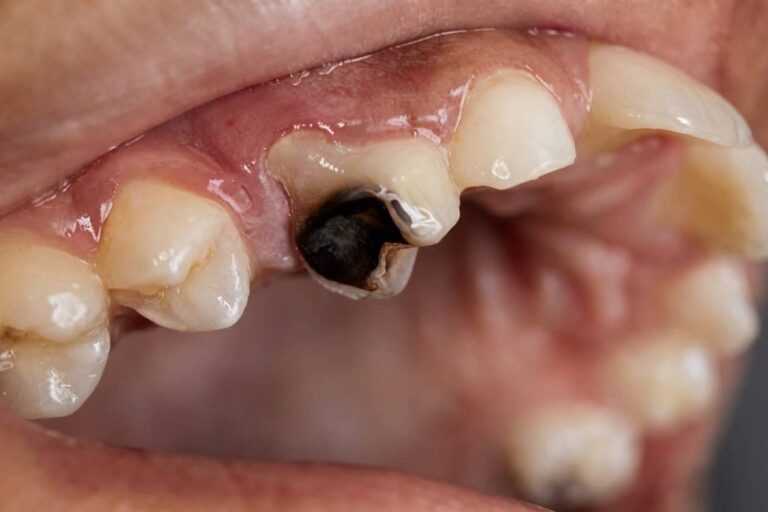
After placement of a filling or restoration, the tooth surface may remain rough, have excess material, or an uneven transition between the filling and the enamel. Without polishing, plaque and bacteria quickly accumulate in these areas.
Polishing evens out the transition, makes the filling visually unnoticeable, and restores the natural shine of the tooth. This is especially important for front teeth, where aesthetics are of key importance. The process includes shape correction, step-by-step grinding, and polishing of the material to perfect smoothness. Quality filling polishing extends its service life and reduces the risk of secondary cavities.
Tooth Polishing with Braces and After Their Removal
During orthodontic treatment, plaque actively accumulates around the brackets, and home hygiene becomes more challenging. Professional tooth polishing with specialised attachments helps maintain cleanliness, prevents enamel demineralisation, and reduces the risk of white spots. The procedure is usually performed every 3–4 months during scheduled orthodontist visits.
After braces removal, tooth polishing is mandatory. It allows for the removal of adhesive residue, smoothing of irregularities, and restoration of enamel uniformity. The procedure is often combined with remineralisation and fluoridation to strengthen teeth.
Tooth Polishing in Children
Tooth polishing in children plays an important preventive role. It helps prevent cavities in primary teeth, builds proper hygiene habits, and prepares the child for the change of dentition.
The procedure is performed using gentle pastes with pleasant flavours, takes less time, and is accompanied by psychological preparation — explanations in a playful manner. The optimal age to begin is after 3–4 years, with a recommended frequency of twice a year. Regular polishing helps children get used to the dentist and not fear preventive check-ups.
Aftercare Following Tooth Polishing
To keep the results of tooth polishing as long as possible, follow these simple but effective recommendations. In the first 2–3 hours after the procedure, refrain from eating and drinking. Coffee, tea, red wine, and juices are particularly undesirable as they may stain the enamel. Smoking is also not recommended during this time.
During the first 24–48 hours, avoid very hot or cold food, as temporary increased tooth sensitivity is possible. Avoid products with strong colouring agents — beetroot, berries, ketchup, soy sauce — and limit hard foods such as nuts and crackers.
Going forward, maintain regular oral care. Brush your teeth twice a day with a soft or medium-hardness toothbrush, use non-abrasive fluoride toothpaste, use dental floss, and rinse your mouth after meals. Visit your dentist every 6 months to monitor the condition of your teeth and maintain the polishing effect.
Frequently Asked Questions (FAQ)
Is tooth polishing painful?
No, tooth polishing is a painless procedure and generally does not require anaesthesia. Only minor discomfort is possible with sensitive enamel.
How long does polishing take?
On average, the procedure lasts between 15 and 30 minutes, depending on the condition of the teeth and the scope of work.
Does polishing damage tooth enamel?
No, when performed correctly, polishing does not damage the enamel. On the contrary, it makes the tooth surface smooth and less susceptible to plaque.
Does polishing whiten teeth?
Polishing is not a whitening treatment, but after the procedure teeth look brighter due to the removal of plaque and surface pigments.
Can teeth with fillings be polished?
Yes, polishing is permitted and even recommended in the presence of fillings. It smooths the transition between the filling and the enamel and extends the lifespan of restorations.
By Kateryna Sazhneva, Pediatric Dentist and Medical Director of the Med-Deo Clinic Network



Make an appointment
You can make an appointment by filling out the application form on the website, as well as using instant messengers:
Make an appointment
You can make an appointment by filling out the application form on the website, as well as using instant messengers:


Make an appointment easily using chatbots:
Also, call the numbers:
Modern dentistry and medical centre "MED-DEO"
Choose a clinic whose location is more convenient for you.
Kyiv, Holosiivska/Demiivska metro station
130 Lobanovskoho Avenue


Working hours:
Mon - Sun: 8:00 AM - 9:00 PM
No days off!
Call the numbers:
How to get to us? Create a route
Create a route
Kyiv, Akademistechko metro station
78A, Irpinska str.


Working hours:
Mon-Sun: 8.00-21.00
Without days off!
Call the numbers:
How to get to us?
Create a route
Create a route
Kyiv, Heroiv Dnipra metro station
32A, Heroiv Dnipra str.
Working hours:
Mon-Sun: 8.00-21.00
Without days off!
Call the numbers:
How to get to us?
Create a route
Create a route
Kyiv, Teatralna metro station
9B, E. Chykalenko (Pushkinska) str.



Working hours:
Mon-Sat: 8.00 - 21.00. Sun: by appointment.
Without days off!
Call the numbers:
How to get to us?
Create a route
Create a route
Відгук від клієнта
0:00
0:00


Your email will not be published on the site.