If you’re experiencing a burning sensation in your tongue, it might not be just temporary discomfort. Tongue burning is a common issue that can indicate dry mouth, vitamin deficiencies, allergies, fungal infections, or gastrointestinal problems. It’s important to pay attention to the symptoms and underlying causes, as timely treatment helps quickly restore comfort and oral health.
What Is Burning Tongue and How Does It Manifest?
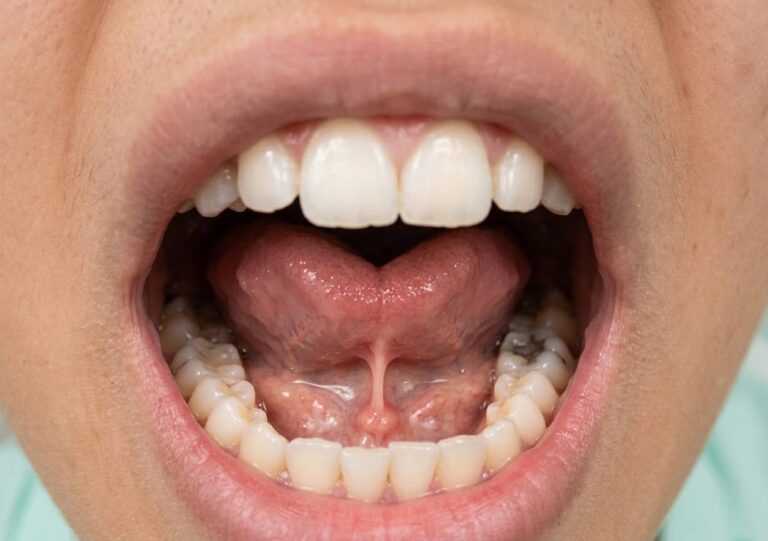
Burning tongue is an uncomfortable sensation in the mouth that patients describe in various ways: “my tongue tip burns,” “it tingles,” or “my tongue feels numb.” Medically, it’s called Burning Mouth Syndrome (BMS) or glossalgia.
This condition is quite common, particularly among women aged 45-60. In some cases, the burning appears sporadically, while in others it becomes chronic and persists for months.
Main Causes of Tongue Burning
Tongue burning can arise from various causes, and effective treatment depends on accurately identifying the trigger. Doctors distinguish several main groups of causes:
- Local (dental) — problems within the oral cavity, such as cavities, gum inflammation, fungal infections, or ill-fitting dentures.
- Systemic — disorders throughout the body, such as vitamin and mineral deficiencies, gastrointestinal issues, hormonal changes, or diabetes.
- Psychological — stress, anxiety, or depression can also trigger sensations of a red, burning tongue tip.
Accurate diagnosis helps determine the exact cause behind the symptom and select treatment that truly works.
Dental Causes of Tongue Burning
Often, tongue burning stems from problems directly within the oral cavity. Main dental causes include:
- Tongue inflammation (glossitis, glossodynia)
- Fungal infections (candidiasis)
- Mucosal trauma
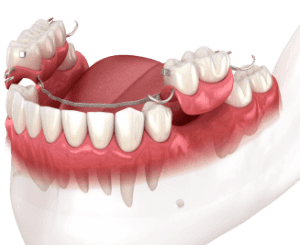
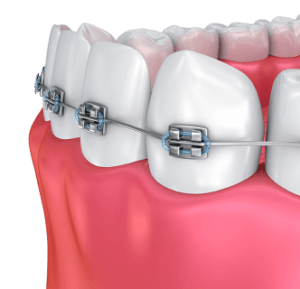
- Issues with dentures and orthodontic appliances
- Poor oral hygiene
- Gum disease (gingivitis, periodontitis)
- Allergic reactions
- Halitosis and inflammation
It’s crucial to identify what’s causing the burning early on to select the right approach for eliminating discomfort and restoring oral comfort.
Vitamin and Mineral Deficiencies
Sometimes tongue burning isn’t caused by problems directly in the mouth but by a lack of essential vitamins and minerals necessary for proper mucosal and nervous system function.
B vitamins (B12, B6, B9). Their deficiency can affect nerve endings, causing tingling, burning, or a “sleepy” tongue sensation. This is particularly noticeable in middle-aged and older adults.
Iron and iron-deficiency anemia. Iron deficiency leads to atrophy of the tongue’s papillae, making it smooth, sensitive, and more susceptible to irritants. This is one of the common reasons why tongue burning persists long-term.
Zinc. Zinc deficiency slows the regeneration of mucosal epithelium, increasing sensitivity and potentially intensifying discomfort when eating or consuming hot and spicy foods.
Regular monitoring of these nutrient levels, balanced nutrition, and supplementation when needed help reduce tongue burning, improve mucosal condition, and restore oral comfort.
Hormonal Changes
In many cases, tongue burning can be linked to hormonal changes in the body. Women especially notice how hormonal fluctuations affect the oral mucosa and nerve endings.
- Menopause. Declining estrogen levels during menopause can cause dry mouth and tongue burning. This is one of the frequent symptoms women complain about between ages 45-60.
- Hormonal imbalances in women of reproductive age. Irregular cycles, stress, or hormonal imbalances can also trigger unpleasant oral sensations.
- Pregnancy and lactation. Hormonal changes during these periods can increase mucosal sensitivity, causing tingling or tongue burning.
- Thyroid disorders (hypothyroidism, hyperthyroidism). Thyroid problems affect metabolism and oral mucosal health, which can also provoke burning.
Timely examination of hormone levels and medical consultation help understand the cause of tongue burning and select an effective way to eliminate the discomfort.
Gastroesophageal Reflux Disease (GERD)
Sometimes tongue burning isn’t related to oral problems but to gastrointestinal disorders, particularly Gastroesophageal Reflux Disease (GERD).
- Mechanism. With GERD, stomach acid flows back into the esophagus and sometimes reaches the mouth, irritating the mucous membranes of the tongue, palate, and even throat.
- Characteristic signs. Classic GERD symptoms include heartburn, belching, and a sour taste in the mouth.
- Connection to tongue burning. The acid irritates the oral mucosa, which can cause burning or tingling sensations on the tongue and palate.
- Symptom intensification. The burning typically worsens after eating or when lying down, especially at night.
Proper GERD treatment and dietary modifications help reduce not only heartburn but also unpleasant oral sensations, including tongue burning.
Salivary Gland Dysfunction
When saliva production is insufficient, the mucosa dries out—and this often becomes the reason for tongue burning.
- Dry mouth. Lack of saliva makes the mucosa vulnerable and easily irritated.
- Medications. Antidepressants, diuretics, and antihistamines can reduce salivation.
- Age. After 60, salivary glands work more slowly, so burning occurs more frequently.
- Sjögren’s syndrome. An autoimmune condition in which natural oral moisture almost disappears, causing constant burning.
Medical consultation will help identify ways to moisturize and reduce discomfort.
Neurological Disorders
Tongue burning can be related not only to oral or digestive problems but also to neurological disorders:
- Tongue neuropathy. Damage to the lingual nerves often causes tingling, burning, or a feeling of “tightness.”
- Paresthesias. These are abnormal sensations that include tingling, numbness, or burning unrelated to trauma or inflammation.
- Nerve damage after dental procedures. Sometimes fillings, tooth extractions, or denture placement can affect nerves, accompanied by temporary or prolonged tongue burning.
- Neurological diseases. Conditions such as multiple sclerosis or Parkinson’s disease can cause changes in tongue and oral mucosal sensitivity.
- Trigeminal neuralgia. Severe pain or burning in the face and oral cavity is often associated with this nerve.
Understanding that tongue burning is caused by nervous system problems helps find the optimal way to eliminate the discomfort.
Chronic Diseases
Tongue burning can sometimes signal chronic diseases that affect the mucosal lining and nerve endings.
- Diabetes. Diabetes often leads to angiopathy and neuropathy, which can provoke tongue burning and dry mouth.
- Anemia. Insufficient iron or vitamins in the blood can cause atrophy of tongue papillae and unpleasant burning sensations.
- Autoimmune diseases. Conditions like systemic lupus erythematosus or scleroderma can affect the oral mucosa, causing discomfort and tongue burning.
- Cancer. Though rare, some types of cancer can manifest as burning or changes in the mucosal lining.
When tongue burning appears, it’s important to get examined promptly—this helps determine whether it’s related to a chronic disease and select effective treatment.
Psychosomatic Causes
Tongue burning isn’t always related to organic problems; sometimes it’s triggered by psychosomatic factors, such as chronic stress or anxiety.
- Stress and chronic anxiety. Constant tension often becomes a trigger for glossalgia—burning or tingling of the tongue without visible organic causes.
- Mechanism of psychosomatic reaction. Muscle tension and lowered pain threshold make the mucosa more sensitive, intensifying the burning sensation.
- Depression and chronic pain. A vicious cycle often forms: anxiety intensifies discomfort, and tongue burning increases stress.
- Distinguishing psychosomatic from organic burning. With psychogenic causes, there are usually no visible mucosal changes or pathologies, but the burning sensation is very real.
- Cancerophobia. Fear of cancer can itself provoke tongue burning, even when there’s no medical basis for it.
Working with psychosomatic causes, relaxation, stress management, and professional consultation help significantly reduce tongue burning and restore a sense of comfort.
Differences Between Glossalgia and Glossodynia
Tongue burning can have different origins, and it’s important to understand what we’re dealing with to properly select treatment. Glossalgia is characterized by chronic burning without visible changes to the oral mucosa—a person experiences significant discomfort, but the doctor finds no organic signs. This is usually related to psychosomatic factors such as stress, anxiety, or depression.
Glossodynia, on the other hand, is accompanied by specific organic changes: inflammation, cracks, coating, or other mucosal disorders, and its causes often lie in infections, trauma, vitamin deficiencies, or chronic diseases. Diagnosing these conditions helps distinguish psychogenic burning from organic, and understanding the cause allows for selecting effective treatment—for glossalgia, this means stress management and mucosal support, while for glossodynia, it’s addressing the underlying problem. This approach allows for faster relief from unpleasant tongue burning and restoration of oral comfort.
Associated Symptoms of Tongue Burning
Tongue burning is often accompanied by various unpleasant sensations that help understand the cause of discomfort and select appropriate treatment. Among the most common symptoms:
- Dry mouth (xerostomia). The most frequent associated symptom, which increases mucosal sensitivity to irritants.
- Altered taste perception (dysgeusia). Food may taste bitter or metallic.
- Metallic or bitter taste in the mouth. Often accompanies tongue burning.
- Tingling and tongue numbness. Sensation of “tightness” or light tingling.
- Redness and changes in tongue appearance. May indicate inflammatory processes.
- Cracks on the tongue. Painful and slow to heal.
- Burning tongue with white coating. A sign of candidiasis or inadequate oral hygiene.
- Pain when swallowing and speaking. Often accompanies organic or inflammatory processes.
- Increased sensitivity to spicy, acidic, or hot foods. The mucosa reacts to irritants more actively.
- General weakness and malaise. May appear with systemic diseases or vitamin deficiencies.
Such a list helps doctors more quickly understand what’s causing the tongue burning and choose the right treatment approach.
Diagnosing Tongue Burning
If tongue burning persists for more than two weeks or is accompanied by additional discomfort, it’s important to see a doctor. During the appointment, the doctor takes a detailed history, determining the duration and intensity of burning, presence of associated symptoms, changes in taste perception, or dry mouth. Next, an oral examination by a dentist is conducted: the condition of the mucosa, teeth, presence of dentures or other dental structures that might irritate the tongue are assessed.
For more accurate determination of burning causes, laboratory tests are often prescribed: complete blood count to detect anemia or inflammatory processes, biochemical analysis—glucose, iron, and ferritin levels, determination of important vitamin levels (B12, B6, B9, D), and thyroid hormones. This comprehensive approach allows for establishing the exact cause of tongue burning and selecting effective treatment, restoring comfort and normal sensations in the mouth.
When to See a Doctor Immediately
Sometimes tongue burning can signal serious problems, so it’s important to know when you can’t delay a doctor’s visit. Emergency medical attention is needed if the burning progressively worsens over several weeks, ulcers, erosions, or growths appear on the tongue, bleeding from the oral cavity is observed, or breathing and swallowing become difficult. Such symptoms can indicate inflammatory, infectious, or even serious oncological processes, and ignoring them is dangerous. Timely consultation with a specialist allows for quickly determining the cause of tongue burning and receiving necessary treatment, preventing complications.
Treatment for Tongue Burning
Treating tongue burning always begins with identifying its cause, as the approach for psychosomatic factors differs from therapy for organic disorders. Proper diagnosis allows for selecting effective methods that reduce discomfort and restore oral comfort. Depending on the source of the problem, treatment may include dietary adjustments, correcting vitamin and mineral deficiencies, treating underlying conditions, mucosal and dental care, as well as stress reduction methods and psycho-emotional support.
Medication Treatment
Treating tongue burning often includes pharmaceutical approaches aimed at eliminating causes and relieving symptoms:
- Correcting vitamin and mineral deficiencies. Doctors may prescribe B vitamins (B12, B6, B9) as injections or tablets, iron supplements for anemia, zinc to support epithelial regeneration, and multivitamin complexes.
- Antifungal agents. For candidiasis, fluconazole or nystatin is used.
- Anti-inflammatory and pain relief medications. Help reduce pain and inflammation in the mouth.
- Antihistamines. Prescribed for allergic reactions.
- Proton pump inhibitors. For heartburn and GERD, omeprazole or pantoprazole are effective.
- Saliva-stimulating medications. For example, pilocarpine helps with dry mouth.
- Local anesthetics. Used for temporary symptom relief.
- Antidepressants and anxiolytics. Help with psychosomatic tongue burning by reducing anxiety and discomfort.
This approach allows for individualizing treatment and effectively reducing tongue burning.
Local Therapy
Local treatment helps quickly reduce discomfort and relieve tongue burning, especially when symptoms are pronounced or interfere with eating and speaking. The most common local therapy methods include:
- Moisturizing gels and sprays for the mucosa. They reduce dry mouth, soften the mucosa, and lower the burning sensation.
- Antiseptic rinses. Chlorhexidine, miramistin, or specialized dental solutions help reduce bacterial load and inflammation.
- Aloe vera or panthenol-based products. Promote healing of microtraumas and soothe irritated mucosa.
- Local anesthetics. Gels or sprays with lidocaine or benzocaine can temporarily reduce pain and tongue burning.
- Antifungal rinses and gels. Used in cases of oral candidiasis.
- Salt or baking soda rinses. Reduce inflammation, irritation, and help normalize mucosal condition.
- Eliminating local irritants. This includes removing traumatic dentures, smoothing sharp tooth edges, temporarily avoiding overly spicy, acidic, or hot foods.
Local therapy is especially effective when combined with treating the underlying cause of tongue burning, helping to restore oral comfort more quickly.
Changes in Oral Hygiene
Proper oral hygiene plays an important role in reducing tongue burning, especially if irritation is related to mucosal condition or dental problems.
- Soft toothbrush. Doesn’t traumatize the tongue and mucosa, reducing the risk of micro-damage and irritation.
- SLS-free neutral toothpaste. Pastes without sodium lauryl sulfate dry the mucosa less and don’t cause additional burning.
- Alcohol-free mouthwashes. Alcohol in the composition can dry the oral cavity, so it’s better to choose gentle formulas.
- Proper tooth and tongue brushing technique. Gentle movements without excessive pressure help avoid trauma.
- Regular brush replacement. Optimal period—every 3 months or more often if bristles wear out quickly.
- Oral sanitation. Treating cavities, removing tartar, and eliminating infection sources significantly reduce the risk of tongue inflammation.
- Adjusting or replacing dentures. Poorly fitting or traumatic structures can constantly irritate the mucosa, so it’s better to adapt or replace them.
Such changes in daily hygiene help reduce irritation, maintain mucosal health, and accelerate recovery from tongue burning.
Treating the Underlying Disease
Tongue burning is often just a symptom, so lasting relief is possible when the primary cause is eliminated. In many cases, stabilizing the underlying disease is enough for discomfort to gradually decrease.
- Diabetes control. Normalizing blood glucose levels helps reduce neuropathy and dry mouth, which often causes tongue burning.
- Hormone therapy for endocrine disorders. Correcting hormone levels, especially in women during menopause or with thyroid disorders, significantly improves mucosal condition.
- GERD treatment. Proton pump inhibitors, diet, and dietary habit changes reduce acid reflux’s impact on the oral cavity.
- Correcting neurological disorders. Neuroprotectors and B vitamins support the nervous system and reduce unpleasant tongue sensations.
- Anemia treatment. Iron or B12 supplements help restore the mucosa and reduce burning associated with deficiencies.
This approach not only removes the symptom but also stabilizes overall body condition, which is especially important for chronic tongue burning.
Psychotherapy and Stress Management
If your tongue feels like it’s been burned due to stress, anxiety, or psychosomatic factors, it’s important to work not only with physical symptoms but also with emotional state. In such cases, cognitive behavioral therapy (CBT) gives good results, helping to change negative thoughts and reduce internal tension levels. Relaxation techniques are also useful—breathing exercises, meditation, progressive muscle relaxation.
Regular consultations with a psychotherapist help better cope with stress and also break the vicious cycle of “anxiety → burning → more anxiety.” In some cases, doctors may prescribe antidepressants or anxiolytics if tongue burning is related to prolonged stress, nervous system exhaustion, or anxiety disorder.
Combining psychotherapy and relaxation methods often gives noticeable results: tongue burning decreases and overall condition improves.
Folk Remedies for Treating Tongue Burning
Folk remedies can help reduce tongue burning, but it’s important to remember: these are only supplements, not alternatives to primary treatment. Before using any home method, consult a doctor, especially if burning persists long or is accompanied by other concerning symptoms.
For rinsing the oral cavity, medicinal herb decoctions are often used. Chamomile has anti-inflammatory action (1 tbsp per cup of boiling water), calendula soothes the mucosa (2 tsp per 200 ml water), sage acts as an antiseptic (1 tbsp per 250 ml boiling water), and oak bark helps with bleeding and irritation. Peppermint has a light cooling effect that helps reduce tongue burning.
Sea buckthorn oil works well for healing cracks—apply it to affected areas several times daily. Aloe or kalanchoe juice helps mucosal regeneration and reduces inflammation. A popular option is also baking soda-iodine rinse: 1 tsp soda and 2-3 drops iodine per glass of warm water. Honey can be slowly dissolved for moisturizing and soothing the mucosa (but don’t swallow immediately).
For home methods to be effective, regularity is important—rinses and application of remedies are performed 3-4 times daily for a course from several days to a week. Before using any remedy, check your body’s reaction: apply a small amount to a small area of mucosa and ensure there’s no allergy.
Diet and Nutrition for Tongue Burning
During flare-ups, avoid foods that irritate the tongue. These include spicy products (chili peppers, mustard, horseradish), acidic vegetables and fruits (citrus, tomatoes, vinegar, sour berries), as well as overly hot or cold dishes. Strong irritation can be caused by pickles, marinades, overly salty foods, alcohol and carbonated drinks, which additionally dry the mucosa. Coffee and tea, due to caffeine content, can also increase dryness. Hard or dry foods—chips, crackers, tough pieces—easily traumatize the tongue and make burning stronger.
To support the mucosa, the diet should predominantly include soft, gentle products: yogurt, kefir, low-fat sour cream, porridge with water or milk (especially oatmeal and rice), vegetable purees (potato, zucchini, broccoli), boiled vegetables and soft fruits—bananas, melons, peaches. It’s beneficial to drink enough water—approximately 1.5-2 liters per day. Easily digestible proteins (chicken, fish, soft-boiled eggs) help mucosal regeneration.
 (044) 394 90 94
  Holosiivska/Demiivska metro station


























Your email will not be published on the site.