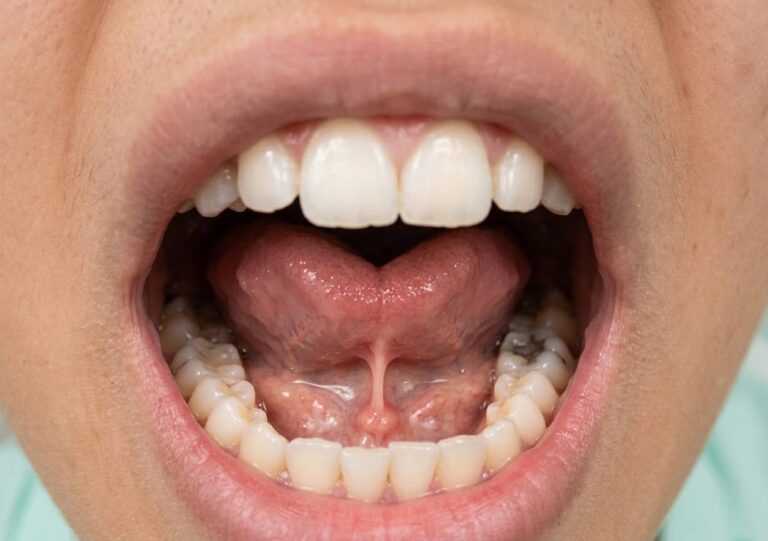
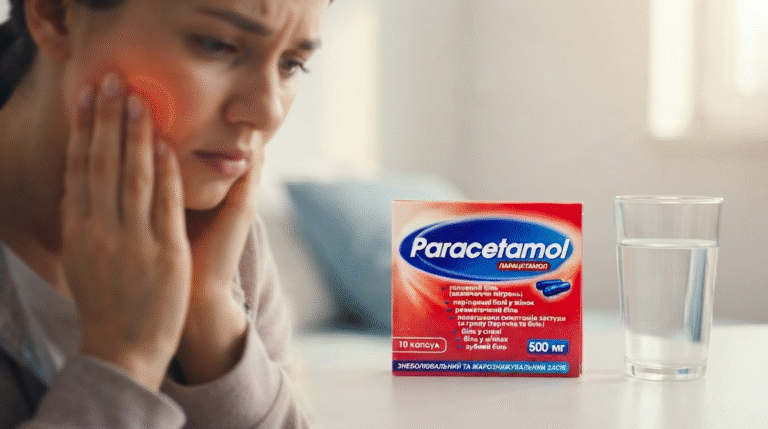
Palate pain is an uncomfortable sensation that can occur for various reasons. Sometimes it’s the result of hot food, spicy dishes, or mechanical damage, such as from hard food or dental prosthetics. In some cases, the pain may be caused by inflammatory processes, for example, due to infection or an allergic reaction.
If the discomfort passes quickly, there’s no need to worry, but if the pain persists for a long time, worsens, or is accompanied by other symptoms such as swelling, redness, or the appearance of ulcers, you should see a dentist to determine the cause and prescribe proper treatment.
Palate Pain — What to Do?
When your palate hurts on top — this is an unpleasant phenomenon that can cause discomfort and bother you during daily activities. If you feel that your palate is inflamed, here are a few tips on what you can do to ease your condition:
Mouth rinsing. Rinsing with herbal decoctions (chamomile, sage) can help relieve inflammation and soothe the mucous membrane. This is a simple and effective method that provides temporary relief.
Throat pain relievers. Sprays or lozenges for the throat with an anesthetic effect will help relieve pain and discomfort. They work quickly and reduce unpleasant sensations for some time.
Warm drinks. Warm tea with honey or herbal infusion will help soothe the mucous membrane, soften the pain, and improve your overall condition.
Avoid hot and spicy foods. Consuming very hot or spicy food can irritate the mucous membrane of the palate and intensify pain, so it’s better to choose soft and cool food during this time.
Give your body rest. If the pain is caused by infection or other factors, it’s important to give your body enough rest, drink plenty of fluids, and avoid stress.
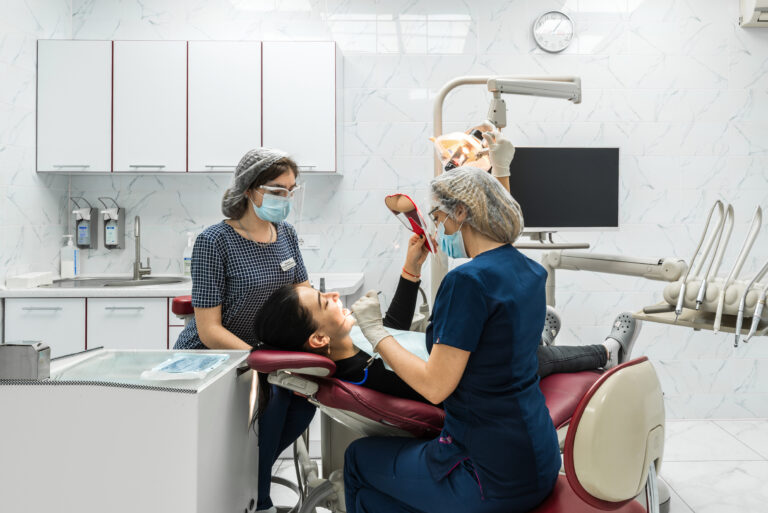
See a dentist. If the pain doesn’t go away or becomes stronger, be sure to see a dentist. Problems with teeth or gums may be the cause of discomfort, and the doctor will help determine the exact cause of pain and prescribe treatment.
Don’t ignore the pain, as timely consultation with a doctor will help solve the problem faster and restore comfort to your life.
Palate inflammation near the front teeth, and in general, can be very unpleasant and bothersome, so it’s important to understand what might cause this symptom. Here are several possible causes of palate inflammation:
1. Upper Respiratory Tract Infections
One of the most common causes of palate inflammation is infections related to the upper respiratory tract. When you catch a cold or get infected with viruses such as ARVI or flu, the mucous membrane of the throat and palate can become inflamed. This is often accompanied by symptoms such as sore throat, cough, runny nose, general malaise, and irritation on the palate.
2. Tonsillitis (Inflammation of the Tonsils)
Tonsillitis — inflammation of the tonsils that can lead to swelling in the palate and pain. This is especially relevant if the inflammation affects the palatine tonsils. Tonsillitis can be either bacterial or viral, and is often accompanied by symptoms such as pain when swallowing, high fever, purulent formations on the tonsils, and general weakness. In such cases, the palate may swell and hurt because the tonsils are located near this area.
3. Infections in the Oral Cavity
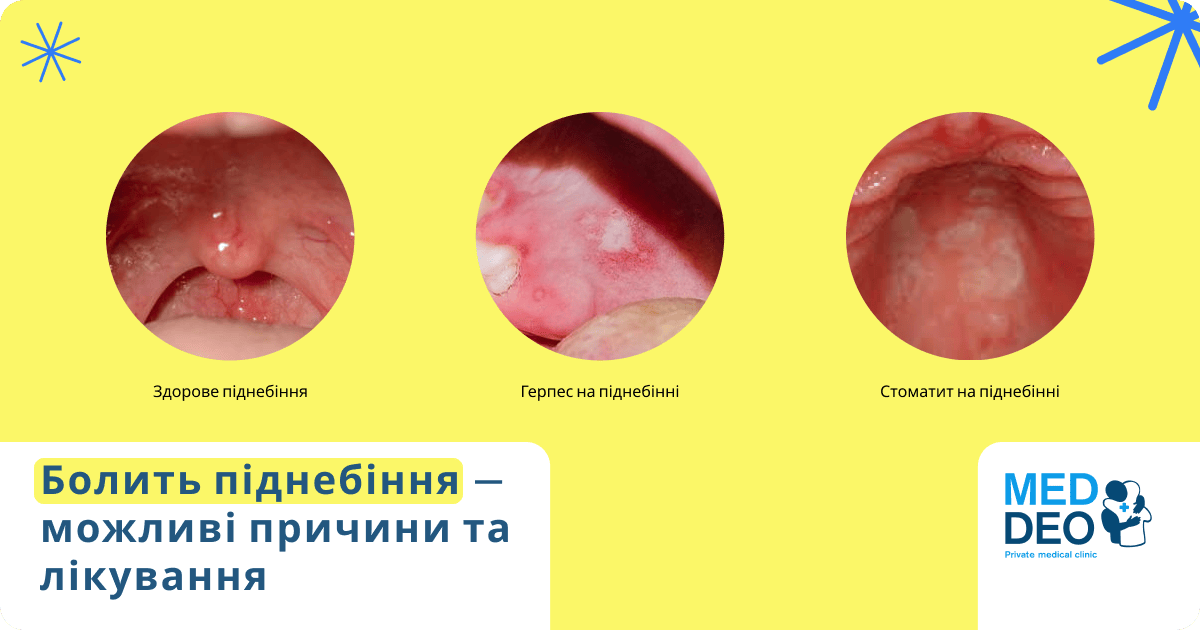
Palate inflammation can be caused by infections in the oral cavity, such as cavities, gum disease, or stomatitis. If an infection develops in the teeth or gums, it can spread to surrounding tissues, including the palate, causing pain, swelling, and redness. Often in such cases, other symptoms appear, such as bad breath, bleeding gums, or blisters on the mucous membrane of the mouth.
4. Herpes
The herpes virus can manifest not only on the lips but also in the oral cavity, causing painful rashes on the mucous membranes, including the palate. With herpes infection, a red palate, swelling, and rashes like small blisters are often observed, which eventually burst and form ulcers.
5. Allergic Reactions
Allergies to certain foods, pollen, animal fur, or other allergens can cause swelling and inflammation of the mucous membranes, including the palate. This is especially characteristic for people who have allergic rhinitis or food allergies. In this case, not only irritation on the palate may be observed but also itching, redness, and even swelling of the lips.
6. Injuries or Mechanical Irritation
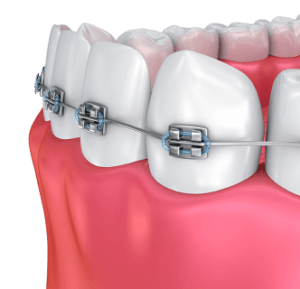
Palate trauma from sharp or hard food, thermal burns (for example, after hot drinks), or mechanical damage caused by dentures or braces can cause inflammation. Often such injuries are accompanied by pain that intensifies during eating or talking. The palate may turn red, and ulcers or small wounds may form on it.
7. Viral and Bacterial Infections
Other viral or bacterial infections caused by streptococci or other pathogens can cause inflammation of the palate mucous membranes. This may be part of more serious diseases such as scarlet fever or diphtheria, which require urgent treatment.
If you notice inflammation of the palate mucosa, it’s important to pay attention to other accompanying symptoms. If the pain doesn’t go away within a few days or is accompanied by fever, swelling, ulcers, or other alarming signs, it’s recommended to see a doctor. They can prescribe the necessary treatment that will help eliminate the cause of inflammation.
ЯDepending on the diagnosis, treatment may include taking antibiotics, antiviral drugs, pain relievers, as well as using rinses or ointments to reduce inflammation and relieve pain.
Symptoms That Accompany Palate Inflammation
Palate inflammation is often not an independent symptom and is usually accompanied by other manifestations that help understand what’s happening with your body. Here are the main symptoms that may accompany this unpleasant phenomenon:
Pain or discomfort. This is one of the most common symptoms. The pain can be moderate or severe, sometimes it intensifies when swallowing food or drinks. It can be either dull pain or sharp pain that occurs during talking or eating.
Swelling and redness. An inflamed palate may swell and redden, which is a sign of an inflammatory process. Swelling is usually visible in the upper part of the mouth or in the area of the back part of the palate.
Appearance of ulcers or blisters. If the inflammation is caused by herpes infection or other viruses, small blisters or ulcers may appear on the mucosa. They can burst, leaving painful wounds that cause additional discomfort.
Swallowing problems. When the palate is inflamed, swallowing can be painful. This is felt especially during eating or drinking, when inflamed tissues come into contact with food or liquid.
Dry mouth. Inflammation can disrupt the normal functioning of the salivary glands, which can cause a feeling of dryness in the mouth, which also causes discomfort. Quite often, such palate inflammation occurs under a prosthesis when the salivary glands don’t work actively enough.
Runny nose or sore throat. If palate inflammation is caused by an upper respiratory tract infection, then a runny nose, sore throat, or cough may appear. This is a sign that the infection affects not only the oral mucosa but also the nasopharynx.
Elevated temperature. Palate inflammation, especially due to infectious processes, may be accompanied by fever or elevated temperature. This often indicates a bacterial or viral infection that requires treatment.
Bad breath. If the inflammation is accompanied by infection, bad breath may appear in the oral cavity. This may be a sign that the infection is affecting the mucous membrane and causing tissue breakdown.
General weakness. Inflammation in the body, especially of an infectious nature, can cause general weakness, headache, and a feeling of fatigue — this is how the body fights infection.
If you notice one or more of these symptoms, and the pain doesn’t go away, or if it’s accompanied by high fever or other alarming signs, you should see a doctor. This will help not only relieve pain but also accurately determine the cause of inflammation and prescribe appropriate treatment.
Causes of Palate Redness in the Mouth
Why does the palate hurt? This phenomenon can occur as a result of ordinary irritation or due to serious health problems. Here are some possible causes:
Trauma to the mucous membrane. Damage to the palate, for example, from rough food or hot drinks, can lead to its redness. Injuries can also occur as a result of mechanical impact, for example, when using dentures or braces.
Hyperemia due to infections. Inflammation due to viral or bacterial infections can manifest as palate redness. This may be the result of infections affecting the mucous membrane of the mouth or throat but not accompanied by inflammation of the palatine tonsils.
Burns or thermal damage. Excessively hot food or drinks can cause thermal burns on the mucous membrane of the palate. This leads to redness, sometimes with the formation of painful ulcers.
Insufficient oral hygiene. Irregular tooth brushing can lead to bacteria accumulation on the mucous membrane, which can also cause its redness and inflammation. When bacteria accumulate, problems with gums and oral mucosa arise. Often, this factor provokes palate inflammation in children.
Low air humidity. In dry air conditions, the mucous membrane of the palate can become irritated and turn red. This can also be related to prolonged stay in a room with air conditioning or heating, which reduces humidity.
Circulatory disorders. Sometimes palate redness can be the result of circulatory disorders that cause hyperemia (predominant blood supply to a certain area). This may be a consequence of stress, chronic fatigue, or other physiological factors.
If palate inflammation near the front teeth is accompanied by pain, lasts longer than a few days, or other serious symptoms appear, it’s better to see a doctor for detailed diagnostics.ляються інші серйозні симптоми, краще звернутися до лікаря для детальної діагностики.
Palate inflammation is an unpleasant thing, but some simple measures can help prevent its occurrence. Here are a few tips that can help keep your palate healthy:
Maintain oral hygiene. Regular tooth brushing and use of dental floss help avoid bacteria accumulation in the mouth that can cause inflammation. Don’t forget to clean not only teeth but also the tongue and palate, as bacteria can also settle on them.
Avoid hot and spicy food. Very hot food or drinks can damage the mucous membrane of the palate and cause inflammation. Try to let food cool down a bit before eating, and don’t abuse spicy or acidic foods that can irritate the mucosa.
Proper nutrition. It’s important to eat a balanced diet and consume sufficient water to maintain normal moisture of the mucous membranes. Vitamins, particularly B, C, and A, are of great importance for tissue health in the mouth, so they should be included in the diet.
Avoid smoking. Smoking irritates the mucous membrane of the mouth and can lead to various inflammatory processes, including in the palate. If possible, you should reduce the number of cigarettes or quit smoking altogether.
Protect your mouth from injuries. When eating, be careful with hard food so as not to injure the palate. If you wear dentures or braces, check their condition to avoid mechanical damage to the mucosa.
Treat diseases promptly. If you notice signs of infections such as sore throat, fever, or runny nose, don’t delay treatment. Early measures can help avoid spreading infection to the mucous membrane of the palate.
Drink enough water. Insufficient hydration can lead to dry mouth, which promotes the occurrence of irritations and inflammation. Drink enough water, especially in hot weather or when using air conditioners.
Reduce stress. Constant stress can weaken immunity, making you more vulnerable to infections. Try to find ways to relax and engage in physical exercises to strengthen your body.
These simple tips will help reduce the likelihood of palate inflammation and other unpleasant symptoms in the mouth. If you feel that problems with the palate are recurring or not going away, be sure to see a dentist. The doctor will accurately determine the cause of palate inflammation, what to rinse with, and what therapy will be effective.
Author: Yuliya Valentynivna Laskava, General Dentist, Microscopic Endodontics
Common Questions on This Topic:
What does it mean when the palate hurts?
Palate pain is an uncomfortable sensation that can occur for various reasons. Sometimes it’s the result of hot food, spicy dishes, or mechanical damage, such as from hard food or dental prosthetics. In some cases, the pain may be caused by inflammatory processes, for example, due to infection or an allergic reaction.
How to relieve inflammation in the mouth?
Among the most affordable and effective remedies recommended by dentists are saline solution, baking soda solution, and chlorhexidine. They not only help relieve inflammation, but also promote tissue healing, destroy harmful bacteria, and maintain proper oral hygiene.
What is located on the palate?
The soft palate is covered with a sensitive mucous membrane, which is a continuation of the nasal mucosa. Muscles run through its thickness, providing mobility and participating in the processes of swallowing and speech. The back of the soft palate forms the velum palatinum, a movable structure that ends in the uvula. The uvula plays an important role in properly closing the nasopharynx during swallowing, protecting it from food entering it.
 (044) 394 90 94
  Holosiivska/Demiivska metro station

























Your email will not be published on the site.