Special offer! Comprehensive professional teeth cleaning for only 1699 UAH.
Special offer! Comprehensive professional teeth cleaning for only 1699 UAH.
Special offer! Comprehensive professional teeth cleaning for only 1699 UAH.
Special offer! Comprehensive professional teeth cleaning for only 1699 UAH.
Special offer! Comprehensive professional teeth cleaning for only 1699 UAH.
Special offer! Comprehensive professional teeth cleaning for only 1699 UAH.
Special offer! Comprehensive professional teeth cleaning for only 1699 UAH.
Special offer! Comprehensive professional teeth cleaning for only 1699 UAH.
Special offer! Comprehensive professional teeth cleaning for only 1699 UAH.
Special offer! Comprehensive professional teeth cleaning for only 1699 UAH.
Sign up
 (044) 394 90 94
(044) 394 90 94  Holosiivska/Demiivska metro station
Sign up
(044) 394 90 94
(044) 394 90 94
Doctors


 Prices
Blog
Contacts
Prices
Blog
Contacts
пр.Лобановського, 130, Київ, Україна
Temporarily closed
Opening soon
78A, Irpinska St., Kyiv, Ukraine
Temporarily closed
Opening soon
32A, Heroiv Dnipra St., Kyiv, Ukraine
Temporarily closed
Opening soon
9B, Yevhena Chykalenko St. (Pushkinska), Kyiv, Ukraine
Temporarily closed
Opening soon
(044) 394 90 94
Back
Dentistry
General Dentistry
Dental surgery
Dental Implants
Maxillofacial Surgery
Dental prosthetics
Cosmetic dentistry
Professional Dental Hygiene

Periodontics
Orthodontic dentistry
Gnathology & TMJ Therapy
Pediatric Dentistry
Dental X-Rays
Back
Orthodontic Center
Orthodontic dentistry
Gnathology & TMJ Therapy
Back
Prosthodontic Center
Dental prosthetics
Back
MED-DEO Center for Maxillofacial Surgery & Facial Plastics
Maxillofacial Surgery
Plastic surgery
Back
Surgical Dental Center
Dental surgery
Dental Implants
Search on the site


Popular requests
Teeth whitening
Treatment of caries
Wisdom tooth extraction
Bracket system
Dental veneers
Tooth restoration
Pediatric dentist
Consultation with a dentist-therapist
Search results by: «».
Unfortunately, no results were found for your search: “Pediatric Endocrinologist”, nothing was found.
You may find these links useful:
Clinics "MED-DEO"
пр.Лобановського, 130, Київ, Україна
Temporarily closed
Opening soon
78A, Irpinska St., Kyiv, Ukraine
Temporarily closed
Opening soon
32A, Heroiv Dnipra St., Kyiv, Ukraine
Temporarily closed
Opening soon
9B, Yevhena Chykalenko St. (Pushkinska), Kyiv, Ukraine
Temporarily closed
Opening soon
Services
Dentistry Orthodontic Center Prosthodontic Center MED-DEO Center for Maxillofacial Surgery & Facial Plastics Surgical Dental CenterGeneral Dentistry
Dental surgery
Dental Implants
Maxillofacial Surgery
Dental prosthetics
Cosmetic dentistry
Professional Dental Hygiene
Periodontics
Orthodontic dentistry
Gnathology & TMJ Therapy
Pediatric Dentistry
Dental X-Rays
Orthodontic dentistry
Gnathology & TMJ Therapy
Dental prosthetics
Maxillofacial Surgery
Dental surgery
Dental Implants
What Are Self-Ligating (Ligature-Free) Braces?
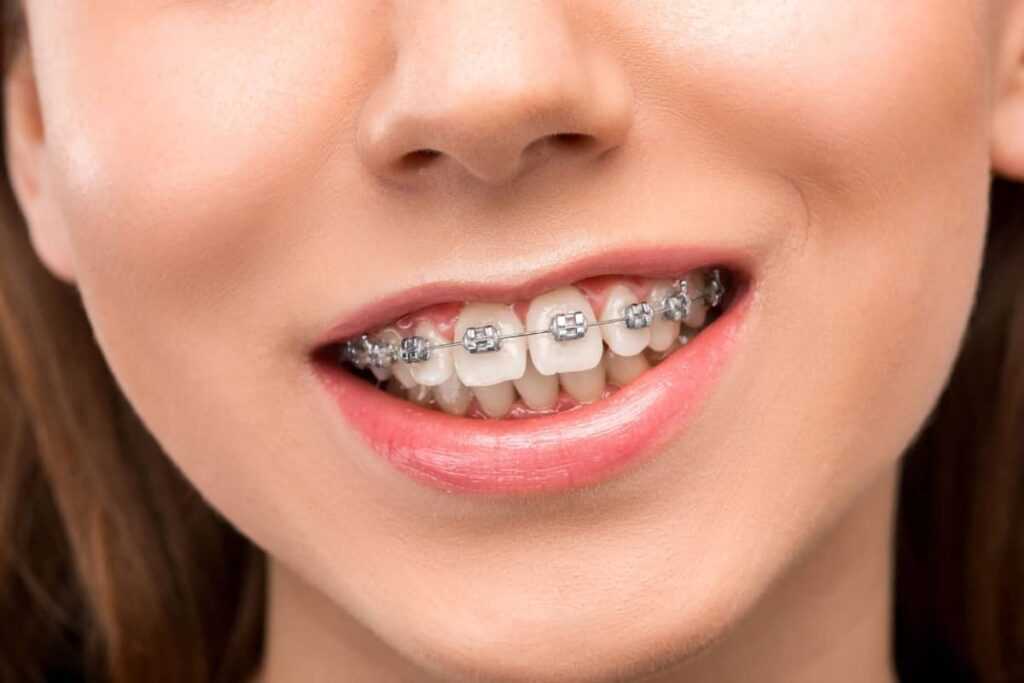
Self-ligating (ligature-free) braces are a more modern type of orthodontic system that eliminates the need for traditional elastic ties. Instead, each bracket features a small built-in clip that holds the archwire in place on its own. This allows teeth to move more gently, and the overall structure feels noticeably more comfortable to wear.
What sets them apart from conventional braces is precisely this mechanism: there’s no need to replace ligatures at every visit, oral hygiene is easier to maintain, and appointments with the orthodontist are generally less frequent. That’s why so many patients are choosing this option today — especially when weighing “traditional” systems against more modern alternatives, and wanting treatment that is not only effective but also as convenient as possible in everyday life.
How Do Self-Ligating Braces Work?
Self-ligating braces are a system with no elastic ties. Instead, each bracket has a small built-in “clip” that secures the archwire. The orthodontist opens the clip, inserts the wire, and closes it — that’s it. No additional fixation is needed.
In traditional braces, the wire is held tightly against the bracket by elastic ties. With self-ligating brackets, the wire moves more freely — it isn’t compressed, but rather allowed to slide smoothly. This results in less friction, meaning teeth shift more gently and without sharp pressure.
For the patient, this translates to a simpler experience: less discomfort at the start of treatment, easier daily oral care, and fewer hassles with rubber ties. This core principle is also what creates the distinction between two different types of self-ligating systems — active and passive.
Active vs. Passive Self-Ligating Systems
The difference is simpler than it sounds — it comes down to how freely the archwire moves inside the bracket.
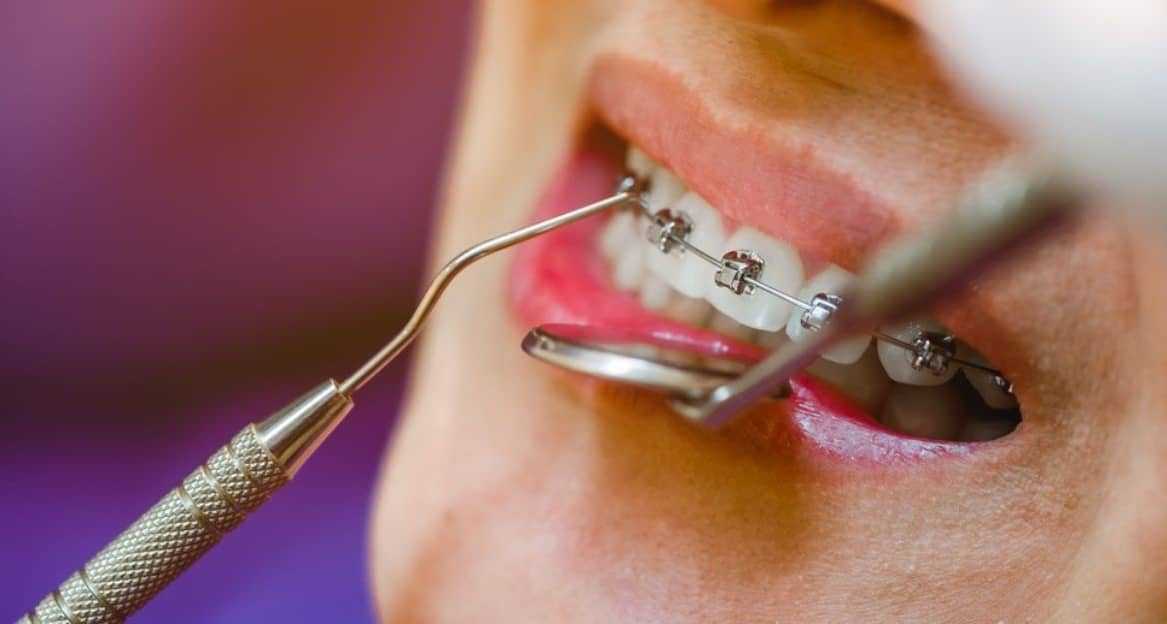
Active systems apply slight pressure on the wire. This gives the orthodontist greater control over how teeth move and is more commonly used in complex cases requiring precise management of tooth movement.
Passive systems work more gently: the wire sits loosely inside the bracket and moves with minimal resistance. This results in less friction and, as a rule, a more comfortable experience throughout treatment.
Put simply: active means more control, passive means more comfort.
Examples:
- Passive — Damon
- Active — In-Ovation, Empower
In practice, however, patients don’t choose by brand name. The orthodontist selects the system based on each individual case — to ensure treatment delivers the right result, not just comfort.
Self-Ligating vs. Traditional Ligature Braces: What’s the Difference?
The difference between these two options goes beyond construction — it affects how you’ll feel throughout treatment and how manageable daily life with braces will be.
Simply put, ligature braces are a proven classic — more affordable and perfectly capable of getting the job done. Self-ligating braces are more modern: somewhat easier to care for and often more comfortable during treatment.
That said, it’s important to understand that both options work. There’s no universal “better” or “worse” — everything depends on your specific situation, the complexity of your bite, and what matters most to you: budget, comfort, or aesthetics.
Advantages and Disadvantages of Self-Ligating Braces
Before choosing self-ligating braces, it’s worth understanding that they aren’t a one-size-fits-all solution. They are genuinely more modern and comfortable, but they come with their own set of pros and cons — and it’s better to know them upfront.
Advantages
The key difference lies in how the archwire functions. It isn’t held by elastic ties but secured by a small clip, allowing teeth to move gently and without significant pressure. Many patients report less discomfort at the beginning of treatment and after adjustment appointments. Oral hygiene is also easier: without elastic ties trapping plaque, brushing is more straightforward.
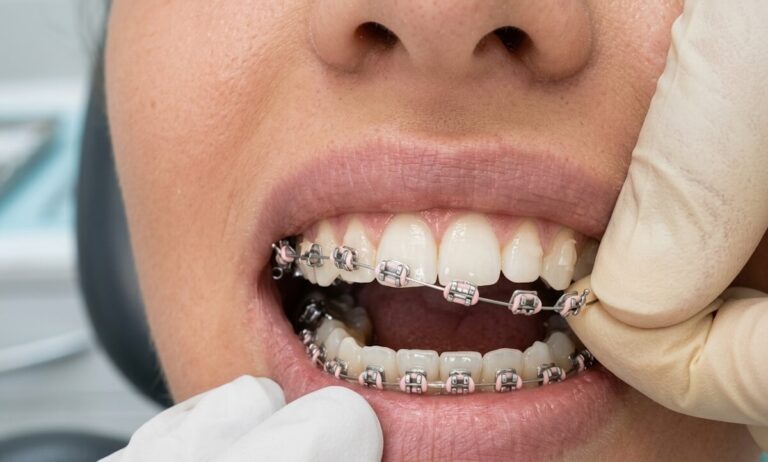
Another benefit is less frequent orthodontic visits. Typically, appointments are needed once every few weeks rather than weekly, as with traditional braces. In some cases, treatment may progress slightly faster, and the overall appearance of the braces is neater — without colorful ties, everything looks natural and understated.
Disadvantages and Limitations
There are, however, some drawbacks. First, these braces are more expensive, which is worth factoring in. Second, the clips are slightly larger, which can feel awkward at first.
It’s also important that the orthodontist has hands-on experience with these systems, as the outcome depends heavily on their expertise. And one more consideration: in certain cases, traditional braces may be just as effective.
In summary, self-ligating braces are a convenient and modern option — but they’re worth choosing only when they genuinely suit your specific clinical situation.
Indications and Contraindications
Self-ligating (ligature-free) braces are not suitable for everyone, so it’s important to understand when they will be effective and when a different approach is a better fit.
Indications:
- Dental crowding of any severity
- Various bite anomalies
- Patients who prefer fewer orthodontist visits
- Teenagers aged 12–13 and older with a fully developed bite
- Adults, especially those in public-facing roles or who place a high value on aesthetics
Contraindications:
- Incomplete jaw growth in children under 12
- Advanced active periodontal disease
- Tooth mobility
- Confirmed allergy to nickel or chromium (for metal components)
- Complex skeletal abnormalities requiring surgical intervention
In all cases, precise indications are determined solely by an orthodontist following a comprehensive diagnostic assessment, taking into account the condition of the teeth, the bite, and the patient’s overall health.
Types of Self-Ligating Braces: Materials and Placement
Self-ligating braces can be categorized in two ways — by the material they’re made from and by where they’re positioned on the teeth. Understanding which types are available helps you choose an option that will be not only effective but also comfortable and discreet in everyday life.
By Material: Metal, Ceramic, Sapphire
Metal self-ligating braces are the most durable and the most affordable. They are typically recommended for complex bite anomalies where maximum reliability is essential.
Ceramic self-ligating braces have a more natural appearance, closely resembling tooth enamel, making them a strong combination of aesthetics and function.
Sapphire self-ligating braces are virtually transparent and nearly invisible, though they come at a higher cost and are somewhat less durable.
All of these options can be self-ligating — featuring clip mechanisms that secure the archwire without elastic ties, making treatment more comfortable overall.
By Placement: Vestibular and Lingual
Vestibular braces are attached to the outer surface of the teeth and represent the most common configuration.
Lingual self-ligating braces are fixed to the inner surface, making them completely invisible during conversation or when smiling. This is the most expensive and most hygiene-intensive option, requiring a highly experienced orthodontist. Lingual systems are chosen by patients for whom maximum aesthetics is a priority and who are prepared to follow strict oral hygiene protocols.
Popular Self-Ligating Bracket Brands: A Manufacturer Overview
Several well-established brands of self-ligating braces are available on the market, each differing in material, mechanics, and aesthetic qualities. The most widely recognized include:
It’s important to understand that choosing a specific brand should always be done in consultation with your orthodontist. The brand itself doesn’t make the braces “better” — what matters is that the system is the right fit for your bite and clinical situation.
How Much Do Self-Ligating Braces Cost?
In 2026, the cost of self-ligating braces in Ukraine ranges from approximately 15,500 to 30,000 UAH per arch for metal systems, and from 22,000 to 45,000 UAH for ceramic or sapphire options. Pricing depends on the material, the brand (such as Damon), and the complexity of your case.
Comprehensive “all-inclusive” packages typically cover not only the braces themselves but also all scheduled orthodontic visits, diagnostic records, and necessary adjustments throughout the course of treatment.
How Self-Ligating Braces Are Placed: A Step-by-Step Guide
Placing self-ligating braces isn’t simply a matter of “gluing on clips.” The process is carried out in stages to ensure treatment is as comfortable and effective as possible.
- Consultation and dental history review — the orthodontist examines your teeth and bite, and discusses your expectations to determine the best option for you.
- Diagnostics — an orthopantomogram, 3D scan, and X-rays are taken for accurate treatment planning.
- Treatment plan — the orthodontist determines which braces are appropriate, how often adjustment appointments will be needed, and what will be done at each stage.
- Oral preparation — any cavities are treated, tartar is removed, and the teeth are brought to full health before brackets are placed.
- Enamel preparation — teeth are cleaned and a special bonding agent is applied to ensure the brackets adhere securely.
- Bracket and wire placement — brackets are bonded to the teeth, the archwire is inserted into the clips, and the system begins working.
- Care instructions — the orthodontist explains how to brush properly, which additional tools to use, and when to return for scheduled adjustments.
The bonding procedure itself typically takes around one to one and a half hours. For the first few days, teeth may feel slightly sore or sensitive — this is completely normal and resolves on its own. Your orthodontist will provide practical tips on making those first days more manageable.
Caring for Self-Ligating Braces and Dietary Restrictions
Caring for self-ligating braces is somewhat easier than caring for traditional ones, though attention to hygiene is still essential. The main advantage of these systems is the absence of ligatures — the small elastic ties or wire loops under which food and plaque typically accumulate. This makes brushing easier and helps keep teeth healthy throughout treatment.
For effective daily care, the following tools are recommended: a V-shaped orthodontic toothbrush, a water flosser (irrigator), interdental brushes, a single-tufted brush, and dental floss. Brushing after every meal is ideal — this prevents plaque buildup and keeps braces clean and neat.
Dietary restrictions are another important factor. Hard, sticky, or chewy foods can damage the clips or the archwire, so these should be avoided during treatment. Following this guideline will help ensure a smooth experience without unnecessary complications.
How Long Do You Wear Self-Ligating Braces, and What Happens After Removal?
Treatment with self-ligating braces typically lasts between 12 and 24 months, though the exact duration depends on the complexity of the bite, the patient’s age, the consistency of orthodontic appointments, and how closely the orthodontist’s recommendations are followed.
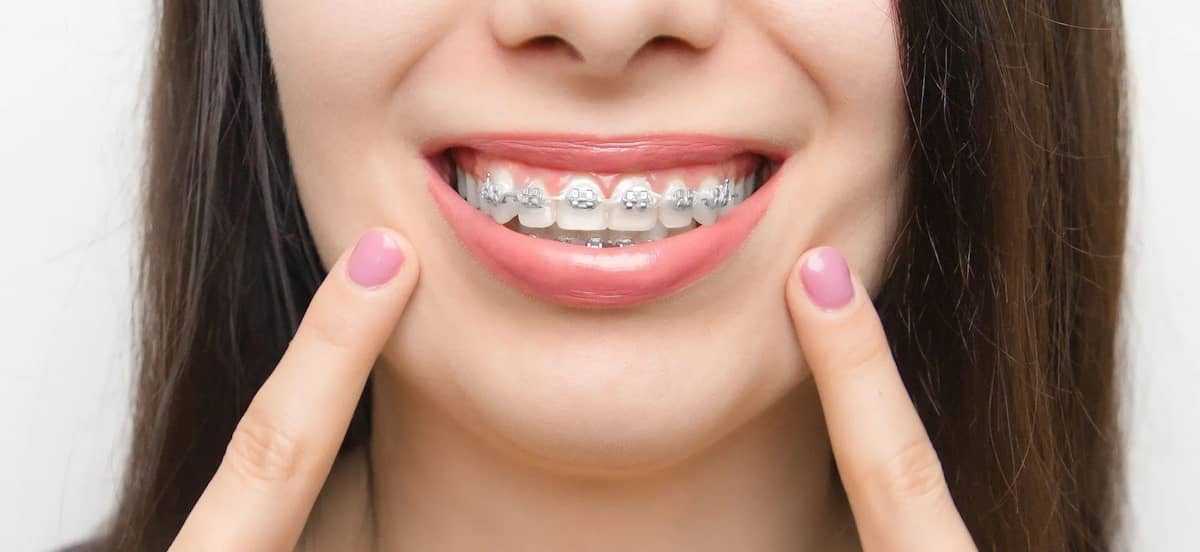
A key advantage of these systems is that the archwire slides within the clip with minimal friction, which can reduce overall treatment time by 15–25% compared to traditional braces.
After the braces are removed, the retention phase begins — and this stage is critical. Without a retainer, teeth may shift back toward their original positions. Retainers come in two forms: removable (a clear plastic tray worn during the day or at night) or fixed (a thin wire bonded to the inner surface of the teeth). The duration of retainer wear is determined individually by the orthodontist to ensure long-lasting results.
Frequently Asked Questions About Self-Ligating Braces
Self-ligating or traditional braces — which is better?
Both are effective. Self-ligating braces are easier to care for, cause less trauma to the teeth, and may shorten treatment time.
Is the placement procedure painful? What about wearing them?
The placement itself is painless. For the first few days, teeth may ache slightly — this is a normal response that passes quickly.
Why are they more expensive than ligature braces?
The higher cost reflects the more complex clip mechanism, the added comfort during wear, and the potential to reduce overall treatment time.
At what age can self-ligating braces be placed?
Typically from age 12–13, once the bite is fully developed. Adult patients can have them placed without any age restrictions.
How often do you need to visit the orthodontist?
Depending on the system and the individual case, scheduled adjustment appointments are typically every 8–12 weeks.
The author of this article is Tetyana Zhyvilova, a pediatric dentist, orthodontist, general dentist, and gnathologist.
Make an appointment
You can make an appointment by filling out the application form on the website, as well as using instant messengers:
Make an appointment
You can make an appointment by filling out the application form on the website, as well as using instant messengers:


Make an appointment easily using chatbots:
Also, call the numbers:
Modern dentistry and medical centre "MED-DEO"
Choose a clinic whose location is more convenient for you.
Kyiv, Holosiivska/Demiivska metro station
130 Lobanovskoho Avenue


Working hours:
Mon - Sun: 8:00 AM - 9:00 PM
No days off!
Call the numbers:
How to get to us? Create a route
Create a route
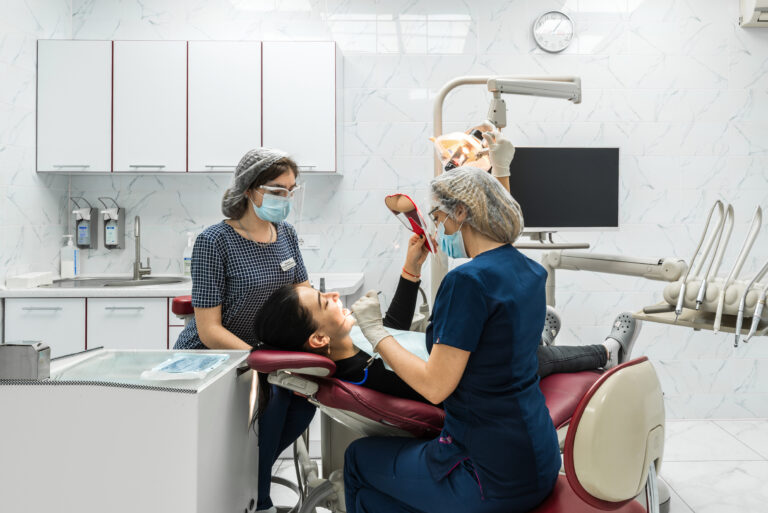
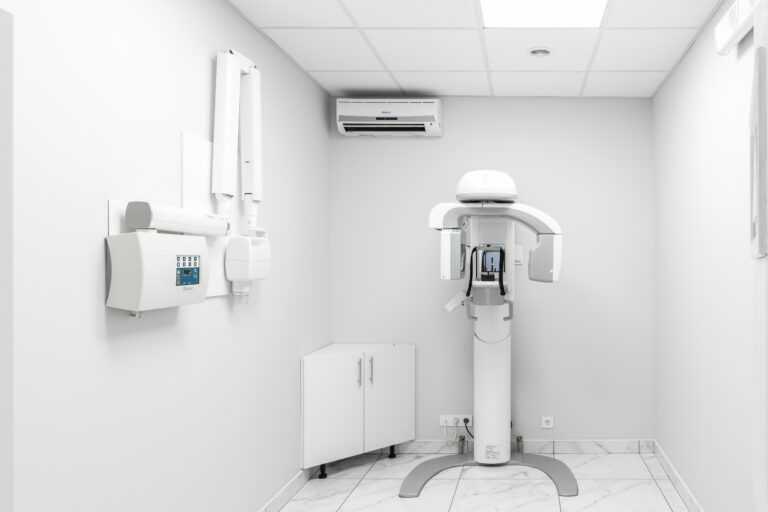
Kyiv, Akademistechko metro station
78A, Irpinska str.


Working hours:
Mon-Sun: 8.00-21.00
Without days off!
Call the numbers:
How to get to us?
Create a route
Create a route
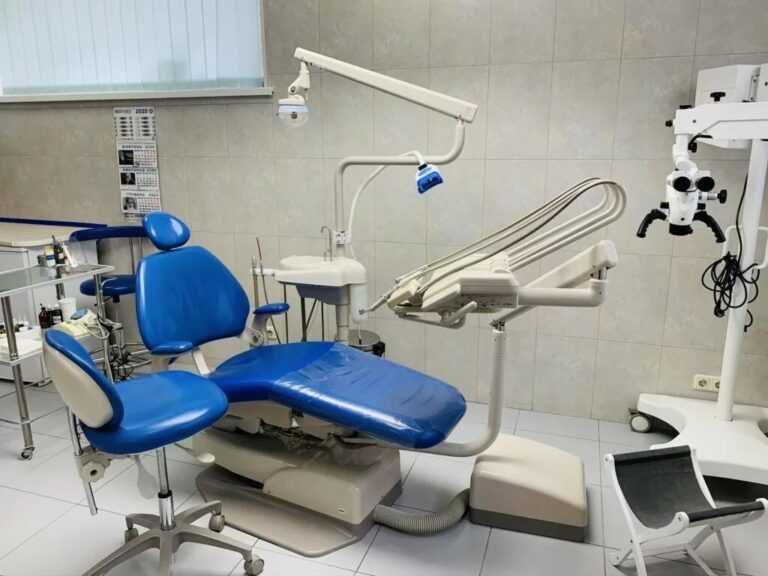
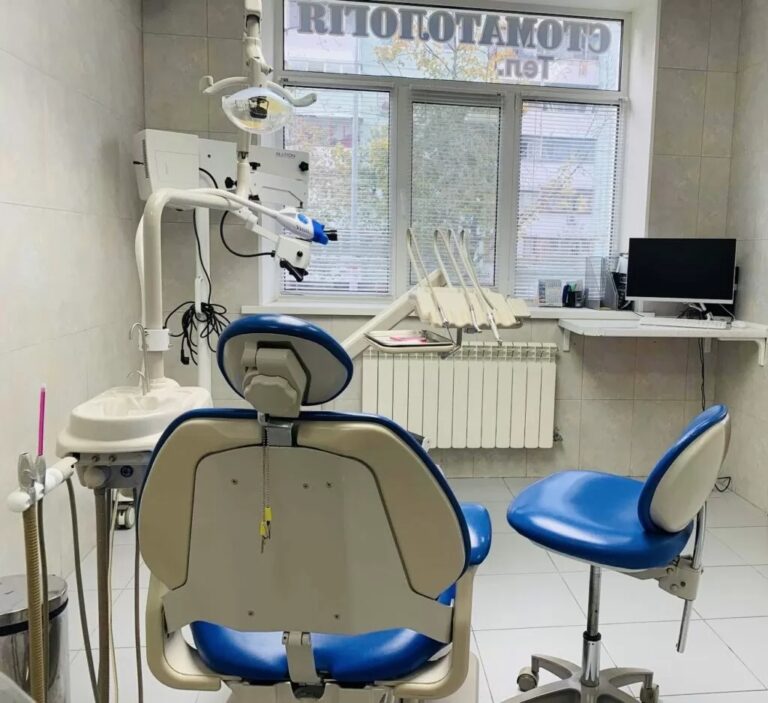
Kyiv, Heroiv Dnipra metro station
32A, Heroiv Dnipra str.
Working hours:
Mon-Sun: 8.00-21.00
Without days off!
Call the numbers:
How to get to us?
Create a route
Create a route
Kyiv, Teatralna metro station
9B, E. Chykalenko (Pushkinska) str.



Working hours:
Mon-Sat: 8.00 - 21.00. Sun: by appointment.
Without days off!
Call the numbers:
How to get to us?
Create a route
Create a route
Відгук від клієнта
0:00
0:00


Your email will not be published on the site.