Special offer! Comprehensive professional teeth cleaning for only 1699 UAH.
Special offer! Comprehensive professional teeth cleaning for only 1699 UAH.
Special offer! Comprehensive professional teeth cleaning for only 1699 UAH.
Special offer! Comprehensive professional teeth cleaning for only 1699 UAH.
Special offer! Comprehensive professional teeth cleaning for only 1699 UAH.
Special offer! Comprehensive professional teeth cleaning for only 1699 UAH.
Special offer! Comprehensive professional teeth cleaning for only 1699 UAH.
Special offer! Comprehensive professional teeth cleaning for only 1699 UAH.
Special offer! Comprehensive professional teeth cleaning for only 1699 UAH.
Special offer! Comprehensive professional teeth cleaning for only 1699 UAH.
Sign up
 (044) 394 90 94
(044) 394 90 94  Holosiivska/Demiivska metro station
Sign up
(044) 394 90 94
(044) 394 90 94
Doctors


 Prices
Blog
Contacts
Prices
Blog
Contacts
пр.Лобановського, 130, Київ, Україна
Temporarily closed
Opening soon
78A, Irpinska St., Kyiv, Ukraine
Temporarily closed
Opening soon
32A, Heroiv Dnipra St., Kyiv, Ukraine
Temporarily closed
Opening soon
9B, Yevhena Chykalenko St. (Pushkinska), Kyiv, Ukraine
Temporarily closed
Opening soon
(044) 394 90 94
Back
Dentistry
General Dentistry
Dental surgery
Dental Implants
Maxillofacial Surgery
Dental prosthetics
Cosmetic dentistry
Professional Dental Hygiene

Periodontics
Orthodontic dentistry

Gnathology & TMJ Therapy
Pediatric Dentistry
Dental X-Rays
Back
Orthodontic Center
Orthodontic dentistry
Gnathology & TMJ Therapy
Back
Prosthodontic Center
Dental prosthetics
Back
MED-DEO Center for Maxillofacial Surgery & Facial Plastics
Maxillofacial Surgery
Plastic surgery
Back
Surgical Dental Center
Dental surgery
Dental Implants
Search on the site


Popular requests
Teeth whitening
Treatment of caries
Wisdom tooth extraction
Bracket system
Dental veneers
Tooth restoration
Pediatric dentist
Consultation with a dentist-therapist
Search results by: «».
Unfortunately, no results were found for your search: “Pediatric Endocrinologist”, nothing was found.
You may find these links useful:
Clinics "MED-DEO"
пр.Лобановського, 130, Київ, Україна
Temporarily closed
Opening soon
78A, Irpinska St., Kyiv, Ukraine
Temporarily closed
Opening soon
32A, Heroiv Dnipra St., Kyiv, Ukraine
Temporarily closed
Opening soon
9B, Yevhena Chykalenko St. (Pushkinska), Kyiv, Ukraine
Temporarily closed
Opening soon
Services
Dentistry Orthodontic Center Prosthodontic Center MED-DEO Center for Maxillofacial Surgery & Facial Plastics Surgical Dental CenterGeneral Dentistry
Dental surgery
Dental Implants
Maxillofacial Surgery
Dental prosthetics
Cosmetic dentistry
Professional Dental Hygiene
Periodontics
Orthodontic dentistry
Gnathology & TMJ Therapy
Pediatric Dentistry
Dental X-Rays
Orthodontic dentistry
Gnathology & TMJ Therapy
Dental prosthetics
Maxillofacial Surgery
Dental surgery
Dental Implants
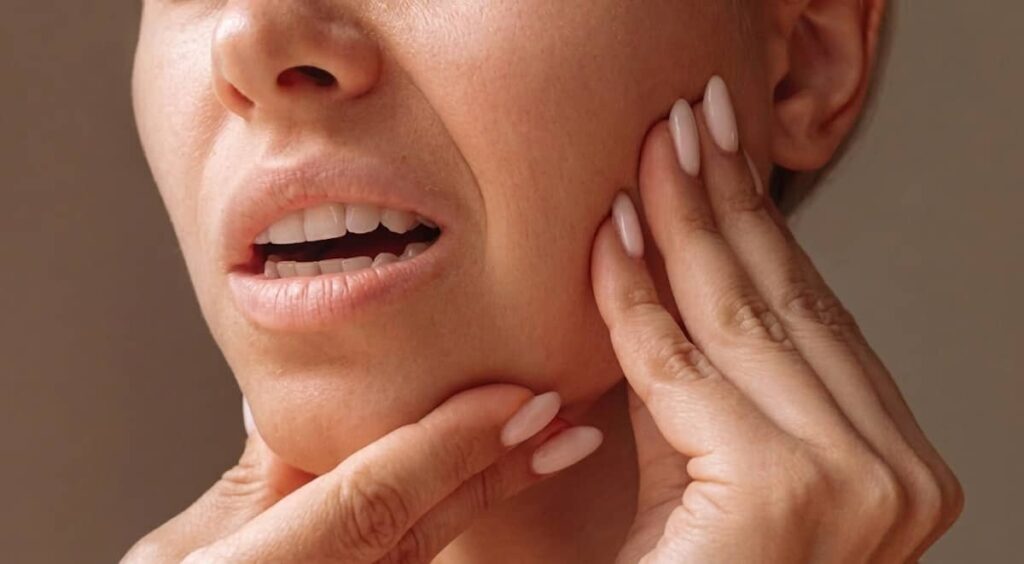
A special tongue positioning technique that supposedly can change the shape of your face, define your jawline, eliminate a double chin, and even correct your bite — that is what mewing is. In practice today, mewing is primarily a social media trend. Those who promote it promise dramatic changes to facial contours. Many of these content creators demonstrate how to do mewing and show before-and-after results, yet none of them can provide solid proof of its 100% effectiveness.
The scientific perspective comes only from qualified medical professionals, who have every right to both general skepticism and their own expert opinions. So let’s take a closer look at whether mewing actually works and whether it is safe to practice on your own — objectively and from the standpoint of modern dentistry and orthodontics.
What Is Mewing: Definition and Core Concept
At its most basic, mewing is the habit of resting your tongue correctly against the roof of your mouth. It is not a one-time exercise — it is a lifelong habit that may influence the shape of your face. Some describe it even more simply: mewing is a kind of facial exercise aimed at reshaping facial features through tongue control. The idea is that the tongue naturally creates muscular pressure that gradually affects the shape of the jaw.
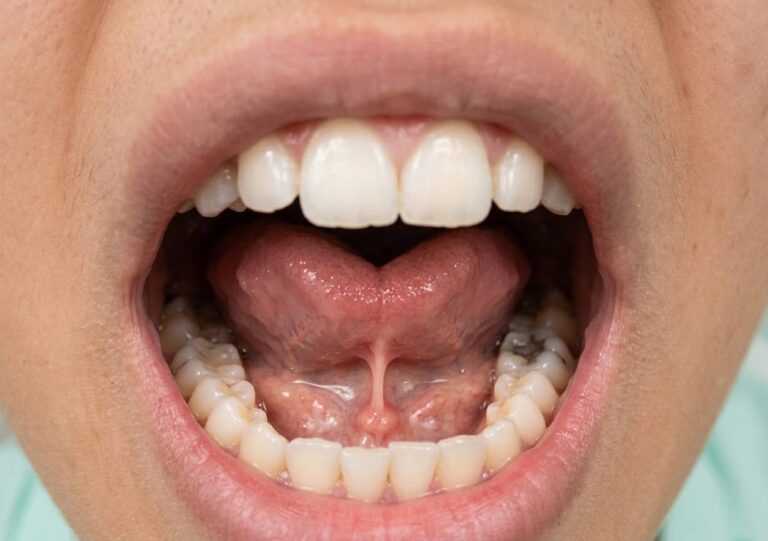
The core principle: A person should keep their tongue pressed fully against the palate at all times while at rest. More specifically, the tip of the tongue should rest on the palate just behind the upper front teeth without touching them. This typically also involves proper chewing and swallowing mechanics, which we will cover below.
It is important to understand that mewing is not simply a “facial exercise” in the way face fitness routines are. This method claims to produce real changes in jaw position through muscular pressure — though this remains largely theoretical. As orthodontic professionals point out, there is currently no convincing scientific evidence to support this, particularly in adults, whose jaw bones are already fully formed.
Supporters of mewing still position it as an effective way to influence the functional activity of the oral muscles and continue to study, discuss, and practice it.
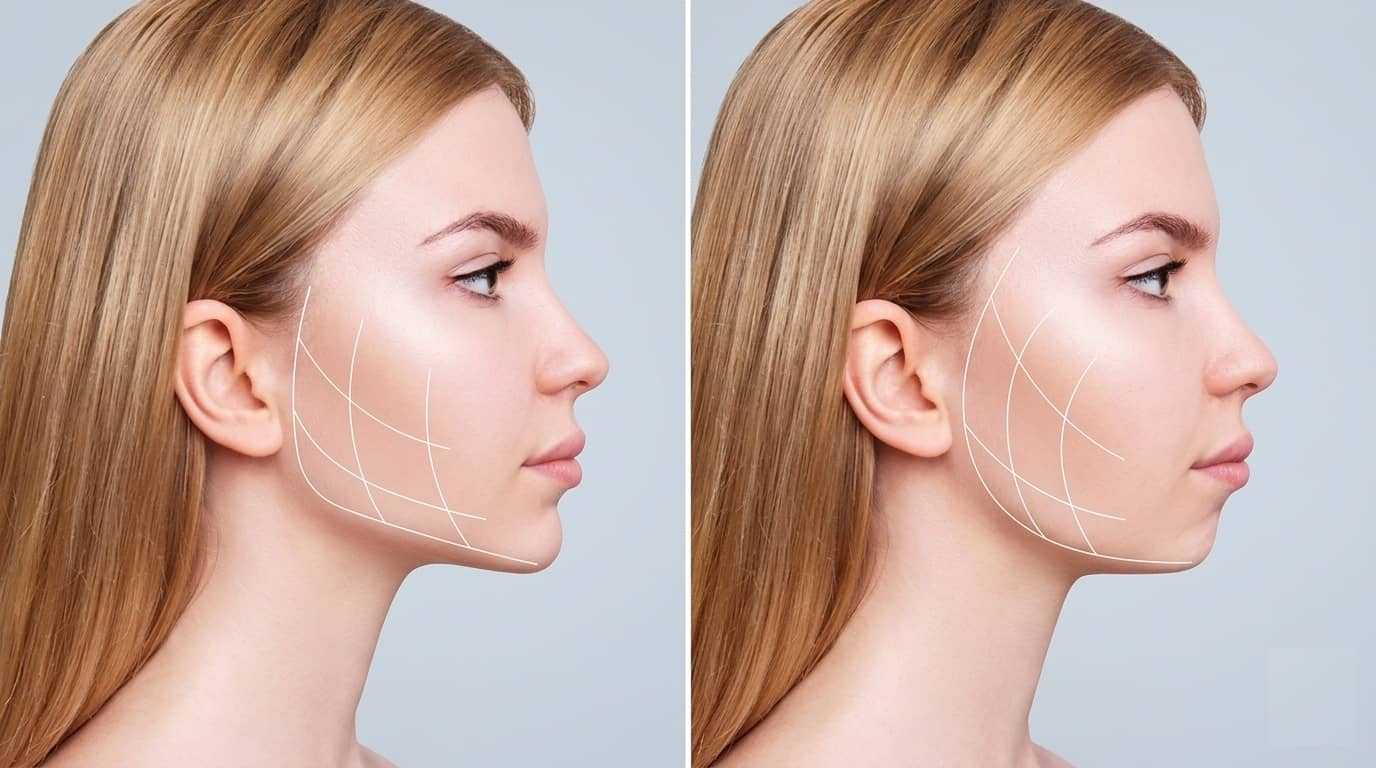
Who Invented Mewing and When: A Brief History
Mewing originated in the mid-20th century, specifically around the 1970s. It was developed by John Mew, a British orthodontist who proposed the concept of orthotropics — a field that studies how muscle function influences jaw development. His son, Mike Mew, later popularized the method through social media platforms such as YouTube and TikTok between 2018 and 2020, when it went virtually viral as people searched eagerly for information on how to do mewing, what it does, and what results it delivers.
One important detail: mewing was originally developed for children during the jaw growth period, not for adults. When the topic exploded online, a wave of videos appeared promising to fix bites or reshape faces entirely without any orthodontic treatment. The scientific community, however, rejected the method and remains skeptical to this day due to the absence of high-quality clinical studies. Notably, in 2024, Mike Mew — the son of the method’s founder — was stripped of his medical license in the United Kingdom.
Today, dentists do explain to patients what mewing is, but they also make clear that it is only a supplementary functional practice — not a substitute for treatment. If someone has a misaligned bite or significant jaw displacement, effective correction still requires orthodontic or surgical intervention: braces, clear aligners, or in complex cases, orthognathic surgery.
How to Do Mewing Correctly: Step-by-Step Technique
Before learning how to do mewing correctly, it is essential to understand one fundamental point: this is not a 5–10 minute exercise session. It is the formation of a permanent tongue posture habit. Once you understand how to do it properly, you need to apply that knowledge every day — essentially for life. For this reason, there are no separate “mewing exercises” per se; there is a method, and there is an explanation of that method.
Correct Tongue Position
The foundational principle of mewing is proper tongue placement. The entire tongue — not just the tip — must be pressed against the palate. At the same time, the teeth should not be clenched, and the lips should be closed but relaxed. A common mistake is pressing only the tip of the tongue while the back portion “sags” — this is not mewing, it is merely an imitation of the technique.
A simple way to feel the correct position:
- Try to pronounce the English sound “N.”
- At that moment, you will feel your tongue automatically make full contact with the palate.
This is the correct tongue position that determines whether the method can have any long-term effect. Maintaining this position should be a consistent habit — not a 10-minute daily session, but a lifestyle. Proponents recommend holding the tongue this way at rest, while breathing, and even while swallowing.
Correct Swallowing
Mewing also includes a second component: proper swallowing. During swallowing, the tongue should:
- Press against the palate, pushing off from it.
- Not press against the back teeth.
Practicing this pattern intentionally changes swallowing mechanics. Why does this matter? Incorrect swallowing — specifically with pressure against the teeth — can be a genuine cause of malocclusion, especially in children whose jaw bones are still growing. Counterintuitive as it may seem, habitual improper swallowing can contribute to the development of an open bite (where the front teeth do not meet), a deep overbite (where the upper teeth significantly overlap the lower ones), and other orthodontic issues. Mewing is said to help prevent these problems in addition to potentially reshaping the face.
In orthodontics, such functional disorders are commonly addressed by speech therapists and myofunctional therapy specialists through myogymnastics — targeted exercises for the tongue, lips, and jaw muscles.
Chewing and Food Choices
The third component of mewing involves chewing and dietary choices. The emphasis here is on chewing firm foods. Regularly eating harder foods trains the chewing muscles and produces its own effect over time. Suitable choices include carrots, apples, and nuts (with caution).
Chewing gum is also often mentioned as an accessible training tool in mewing videos, but there are important caveats:
- Choose sugar-free gum to protect your teeth and avoid cavities.
- Use it as an exercise for no more than 10–20 minutes at a time — enough to stimulate the muscles without excessive strain.
- Do not overload the jaw. Moderation is key, as overworking the temporomandibular joint (TMJ) can cause harm.
The core idea during chewing is not simply to chew, but to do so with the tongue pressed against the palate — it should remain there even while eating.
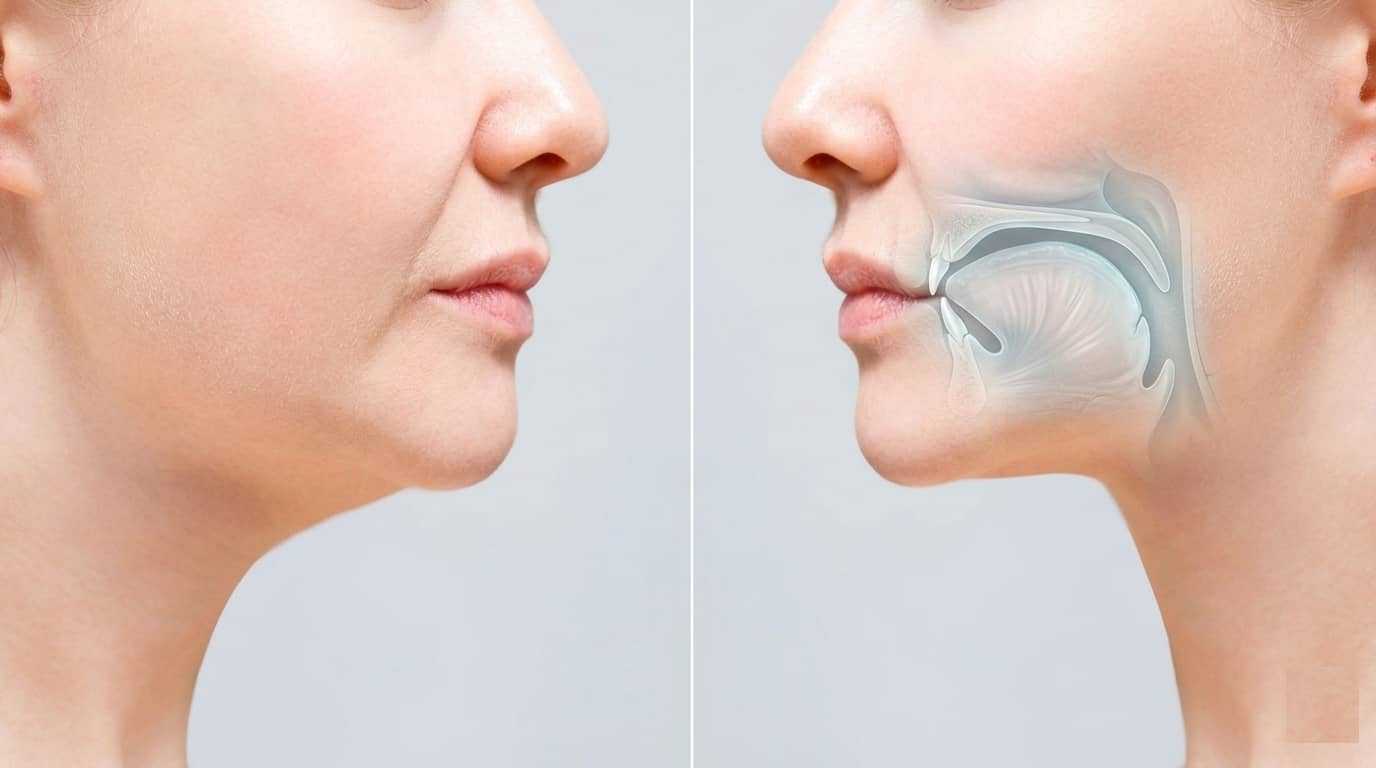
Does Mewing Work: What the Science Says
The question of whether mewing works is a common one — everyone wants confirmation that it is genuinely effective. However, the mainstream orthodontic community does not share this view and states that there is no convincing evidence that mewing exercises change the shape of the face.
Major professional associations in orthodontics have taken clear positions on the matter:
- AAO — American Association of Orthodontists: There is no credible evidence that tongue exercises can change the jaw or correct a bite in adults.
- BOS — British Orthodontic Society: There is no scientific evidence of changes to facial shape or improvements in cognitive function (some online claims suggest that correct tongue posture improves breathing, increases oxygen supply to the brain, and boosts concentration or intelligence).
What clinical research does confirm about mewing is limited to the following:
- Activation of certain chewing and tongue muscles — yes.
- Improved control of tongue position — yes.
- Changes in swallowing habits — yes.
- Changes to bone structure — no.
The effects are therefore limited and not scientifically validated. For adults, they are unconfirmed in the vast majority of cases; for children, a modest functional influence may be possible — roughly between the ages of 6 and 13, when the jaw bones are still growing and can be influenced.
Evaluating before-and-after results in online testimonials is also unreliable, as lighting, head position, weight loss, or ongoing orthodontic treatment may all account for the perceived changes without being disclosed. If you are unhappy with your bite or how it affects your facial appearance, the right step is to consult a qualified orthodontist.
Risks of Mewing: What Can Go Wrong
Before attempting mewing, it is essential to be aware of all potential risks. Without a proper understanding of the technique, those risks are real — and include at minimum bite disruption and tooth loosening, as well as overloading of the jaw muscles and the development of TMJ pain.
Bite Disruption and Tooth Mobility
Correct mewing requires a specific, sustained tongue position. Without it, excessive and constant mechanical pressure on the teeth can cause them to shift, develop gaps between them, and become loose — ultimately resulting in bite misalignment.
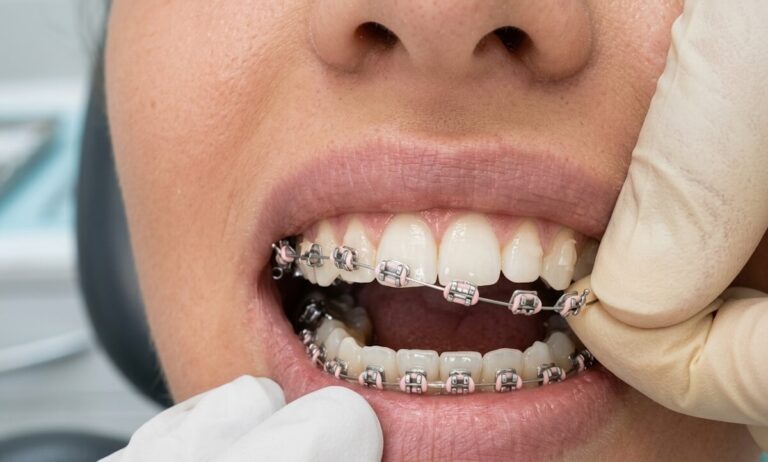
This is especially dangerous for people who already have orthodontic problems (a misaligned bite, displaced teeth, etc.), and particularly for those currently undergoing treatment with braces. In such cases, practitioners generally advise against mewing entirely. Incorrect technique can not only cause harm but also undo all progress made during orthodontic treatment.
A warning sign that something has gone wrong: teeth begin to move. This should never be ignored — consult a doctor immediately.
TMJ Pain
Another risk from improper mewing is excessive strain on the chewing muscles, which can manifest as jaw pain and joint clicking. When overloaded, the strain progresses to the temporomandibular joint (TMJ), often resulting in limited mouth opening — which disrupts everyday activities such as eating, speaking, and yawning.
This risk is especially significant for people already predisposed to TMJ dysfunction. When the joint already has its own problems (locking, clicking), additional “training” of this kind will only worsen symptoms, as the joint becomes even more sensitive to overloading.
Symptoms that warrant immediately stopping the exercises and seeing an orthodontist:
- Clicking or popping in the jaw.
- Pain or significant discomfort near the ear.
- Restricted mouth opening.
Muscle Hypertrophy and a “Square” Face
Another common consequence of improper mewing is so-called masseter hypertrophy — enlargement of the chewing muscles due to constant loading. This makes the lower jaw appear wider and, paradoxically, instead of achieving a sharper, cleaner facial contour, the result is a heavier, more squared-off appearance — the opposite of what was intended.
To avoid this, it is important not to overuse jaw training tools, especially without supervision from a specialist such as an orthodontist or dentist.
In general, any exercises involving the facial muscles or tongue should always be performed with care.
FAQ
What is mewing and why is there so much talk about it?
Mewing is a technique for changing the habitual position of the tongue so that it rests against the palate. It receives so much attention because of the belief that it can reshape the face without any orthodontic treatment.
How do I start mewing correctly as a beginner?
Start by thoroughly understanding the technique. The entire tongue — not just the tip — must be in full contact with the palate, while not touching the front teeth. The lips should be closed, the teeth not clenched, and the jaw fully relaxed.
Is there scientific evidence that mewing works?
There is currently no scientific evidence that mewing produces changes in facial features. What has been confirmed is that it can help form a correct tongue resting posture — nothing beyond that.
Is mewing safe?
Mewing is safe as long as the tongue rests naturally against the palate without creating tension or strain in the jaw.
Can mewing replace braces?
No. A misaligned bite or displaced teeth can only be corrected through orthodontic treatment — not through exercises or changes in tongue position.
The author of this article is Lyudmila Overchuk, a general dentist and periodontist.
Make an appointment
You can make an appointment by filling out the application form on the website, as well as using instant messengers:
Make an appointment
You can make an appointment by filling out the application form on the website, as well as using instant messengers:


Make an appointment easily using chatbots:
Also, call the numbers:
Modern dentistry and medical centre "MED-DEO"
Choose a clinic whose location is more convenient for you.
Kyiv, Holosiivska/Demiivska metro station
130 Lobanovskoho Avenue


Working hours:
Mon - Sun: 8:00 AM - 9:00 PM
No days off!
Call the numbers:
How to get to us? Create a route
Create a route
Kyiv, Akademistechko metro station
78A, Irpinska str.


Working hours:
Mon-Sun: 8.00-21.00
Without days off!
Call the numbers:
How to get to us?
Create a route
Create a route
Kyiv, Heroiv Dnipra metro station
32A, Heroiv Dnipra str.
Working hours:
Mon-Sun: 8.00-21.00
Without days off!
Call the numbers:
How to get to us?
Create a route
Create a route
Kyiv, Teatralna metro station
9B, E. Chykalenko (Pushkinska) str.



Working hours:
Mon-Sat: 8.00 - 21.00. Sun: by appointment.
Without days off!
Call the numbers:
How to get to us?
Create a route
Create a route
Відгук від клієнта
0:00
0:00


Your email will not be published on the site.