Special offer! Comprehensive professional teeth cleaning for only 1699 UAH.
Special offer! Comprehensive professional teeth cleaning for only 1699 UAH.
Special offer! Comprehensive professional teeth cleaning for only 1699 UAH.
Special offer! Comprehensive professional teeth cleaning for only 1699 UAH.
Special offer! Comprehensive professional teeth cleaning for only 1699 UAH.
Special offer! Comprehensive professional teeth cleaning for only 1699 UAH.
Special offer! Comprehensive professional teeth cleaning for only 1699 UAH.
Special offer! Comprehensive professional teeth cleaning for only 1699 UAH.
Special offer! Comprehensive professional teeth cleaning for only 1699 UAH.
Special offer! Comprehensive professional teeth cleaning for only 1699 UAH.
Sign up
 (044) 394 90 94
(044) 394 90 94  Holosiivska/Demiivska metro station
Sign up
(044) 394 90 94
(044) 394 90 94
Doctors


 Prices
Blog
Contacts
Prices
Blog
Contacts
пр.Лобановського, 130, Київ, Україна
Temporarily closed
Opening soon
78A, Irpinska St., Kyiv, Ukraine
Temporarily closed
Opening soon
32A, Heroiv Dnipra St., Kyiv, Ukraine
Temporarily closed
Opening soon
9B, Yevhena Chykalenko St. (Pushkinska), Kyiv, Ukraine
Temporarily closed
Opening soon
(044) 394 90 94
Back
Dentistry
General Dentistry
Dental surgery
Dental Implants
Maxillofacial Surgery
Dental prosthetics
Cosmetic dentistry
Professional Dental Hygiene

Periodontics
Orthodontic dentistry

Gnathology & TMJ Therapy

Pediatric Dentistry
Dental X-Rays
Back
Orthodontic Center
Orthodontic dentistry
Gnathology & TMJ Therapy
Back
Prosthodontic Center
Dental prosthetics
Back
MED-DEO Center for Maxillofacial Surgery & Facial Plastics
Maxillofacial Surgery
Plastic surgery
Back
Surgical Dental Center
Dental surgery
Dental Implants
Search on the site


Popular requests
Teeth whitening
Treatment of caries
Wisdom tooth extraction
Bracket system
Dental veneers
Tooth restoration
Pediatric dentist
Consultation with a dentist-therapist
Search results by: «».
Unfortunately, no results were found for your search: “Pediatric Endocrinologist”, nothing was found.
You may find these links useful:
Clinics "MED-DEO"
пр.Лобановського, 130, Київ, Україна
Temporarily closed
Opening soon
78A, Irpinska St., Kyiv, Ukraine
Temporarily closed
Opening soon
32A, Heroiv Dnipra St., Kyiv, Ukraine
Temporarily closed
Opening soon
9B, Yevhena Chykalenko St. (Pushkinska), Kyiv, Ukraine
Temporarily closed
Opening soon
Services
Dentistry Orthodontic Center Prosthodontic Center MED-DEO Center for Maxillofacial Surgery & Facial Plastics Surgical Dental CenterGeneral Dentistry
Dental surgery
Dental Implants
Maxillofacial Surgery
Dental prosthetics
Cosmetic dentistry
Professional Dental Hygiene
Periodontics
Orthodontic dentistry
Gnathology & TMJ Therapy
Pediatric Dentistry
Dental X-Rays
Orthodontic dentistry
Gnathology & TMJ Therapy
Dental prosthetics
Maxillofacial Surgery
Dental surgery
Dental Implants
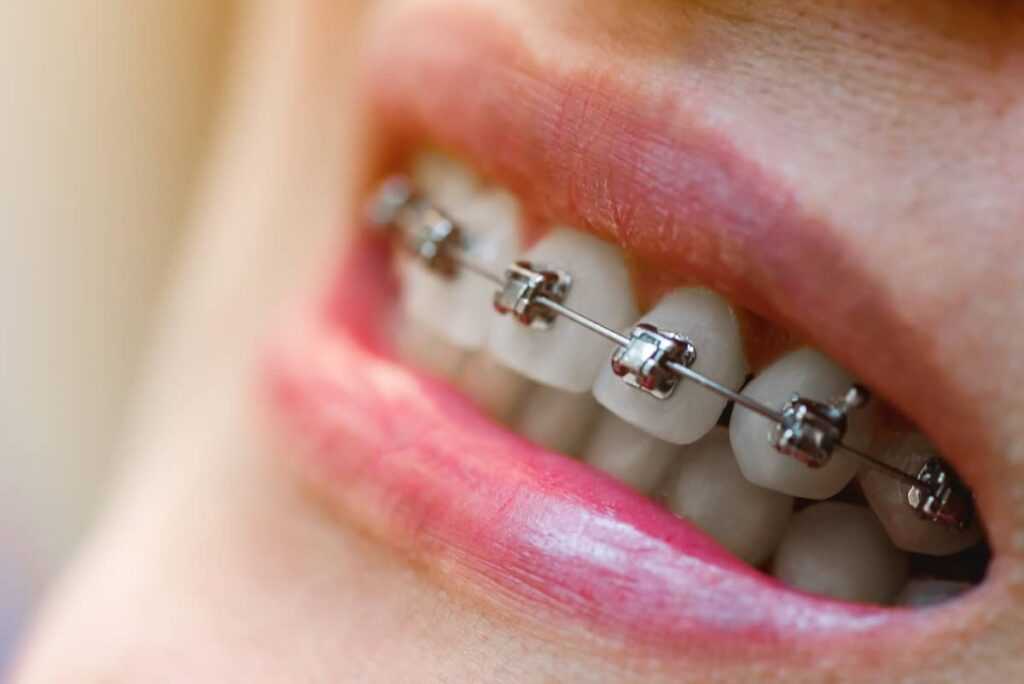

Before starting orthodontic treatment, many people face the same challenge—it’s difficult to figure out what types of braces are available and how they differ from one another. Metal, ceramic, sapphire, self-ligating, or lingual braces systems have different features, costs, and indications, but without proper explanation, this information often seems confusing.
Understanding the types of braces helps you evaluate the pros and cons of each option in advance, prepare for your consultation with an orthodontist, and make an informed choice of braces system taking into account aesthetics, comfort, and budget.
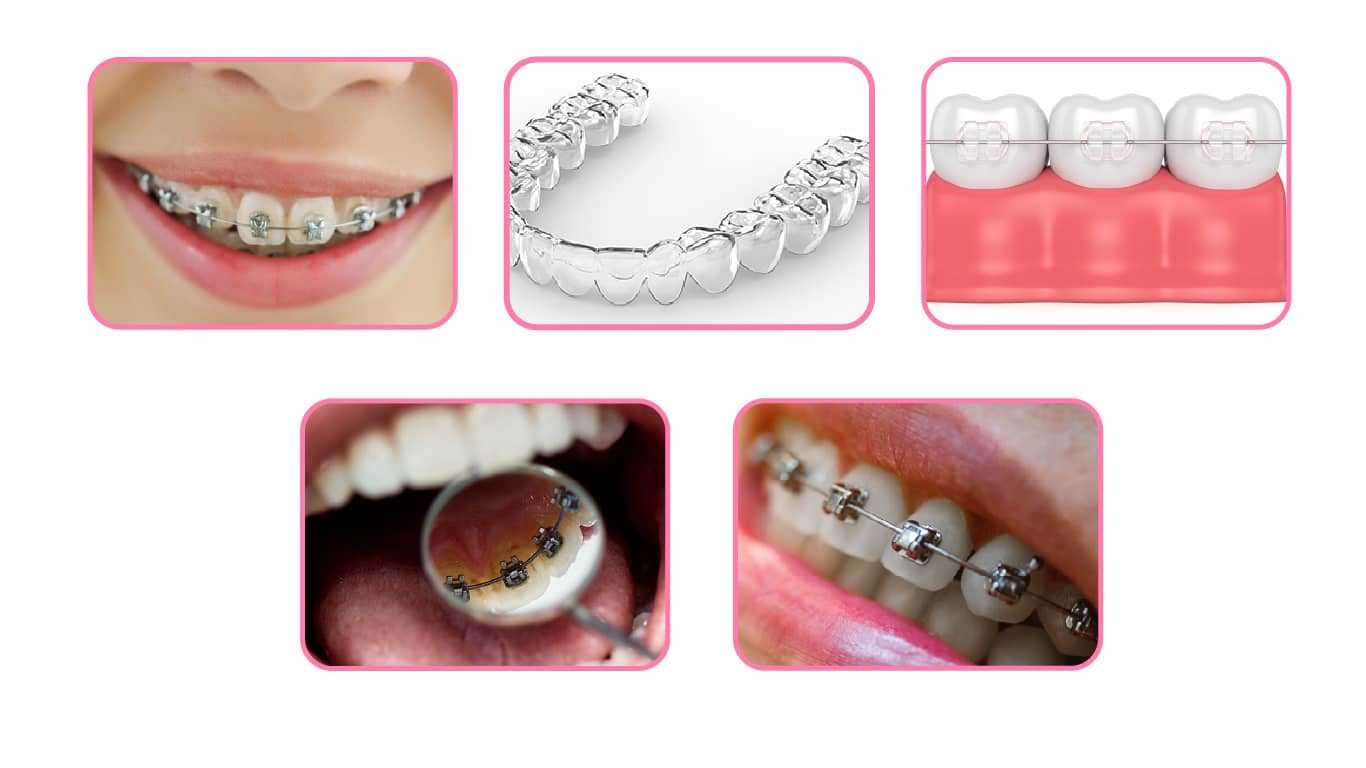
Main Classifications of Braces: How to Navigate the Variety
To understand what types of braces exist, it’s important to know the basic principles of their classification. In dentistry, braces are divided according to three key criteria that directly affect appearance, comfort, and treatment effectiveness.
The first criterion is the material of the brackets. This is what determines how noticeable the braces are on your teeth, their durability, and resistance to pressure. The second criterion is the placement of braces on the teeth: systems can be external (vestibular) or internal (lingual), which matters to patients for whom aesthetics is a priority. The third criterion is the method of fixing the orthodontic wire: traditional braces with ligatures or modern self-ligating systems, which differ in maintenance requirements and treatment dynamics.
The main thing to understand is that there’s no universally best type of braces. The optimal choice of braces system always depends on the clinical situation, individual aesthetic requirements, and the patient’s budget, so the final decision is made together with an orthodontist after diagnosis.
Types of Braces by Material
What types of braces systems exist by material? The material of the braces system directly affects the appearance of your smile, wearing comfort, treatment effectiveness, and cost. That’s why before getting braces, it’s important to understand how the main options differ and who they’re suitable for.
Metal Braces
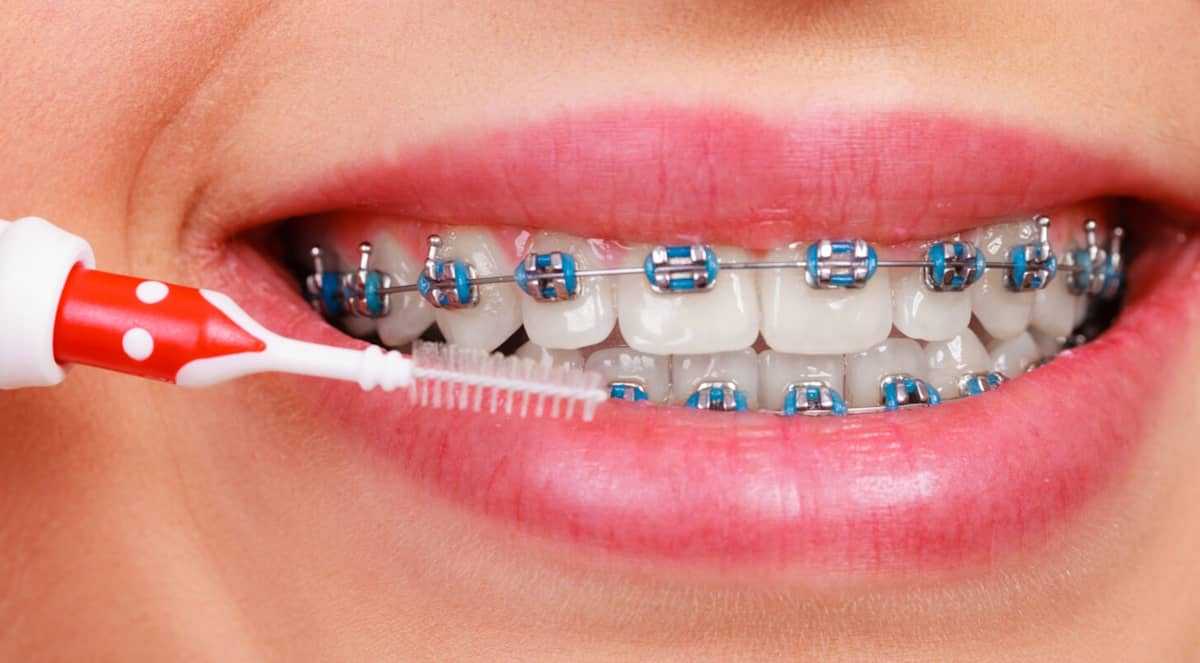
Metal braces remain the most reliable and versatile option. They provide maximum control over tooth movement, handle complex bite issues effectively, and rarely break. This is the optimal choice for children, teenagers, athletes, and patients for whom aesthetics isn’t a priority. The main trade-off is their visibility on teeth, but this type has the lowest cost and delivers consistent treatment results. You can read more about metal braces on our clinic’s website.
Ceramic Braces
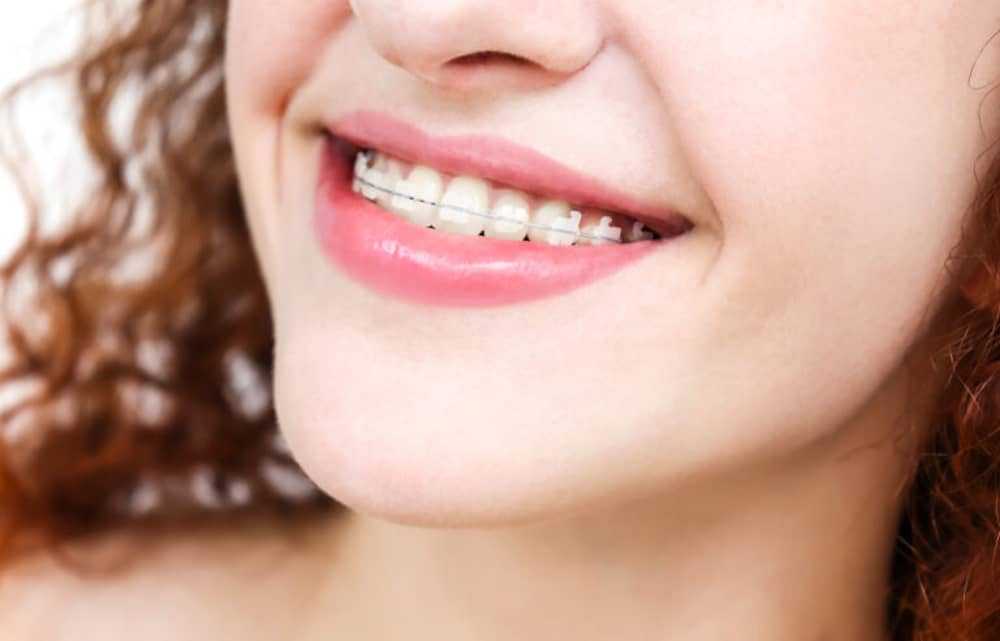
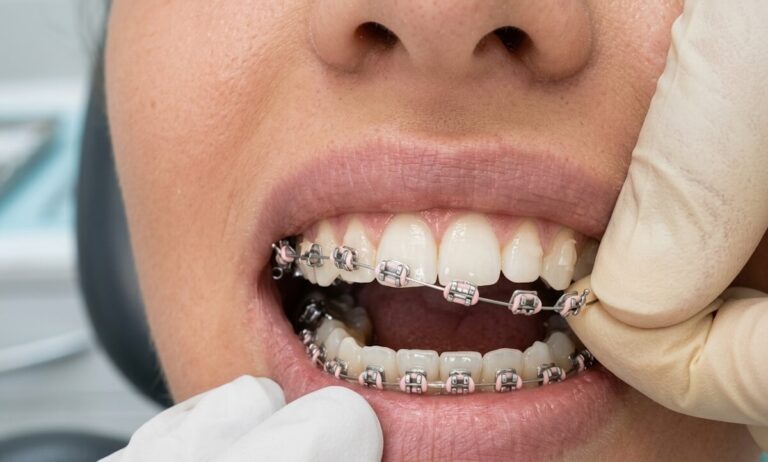
These braces systems are often chosen by those who value aesthetics more but don’t want a sharp budget increase. They’re less noticeable, don’t stain, and blend well with the natural color of teeth. These systems are suitable for adults and teenagers with mild to moderate bite abnormalities, especially if the person communicates actively or works with clients. Ceramic braces fall in the mid-price range, and their effectiveness in most cases matches that of metal braces. Read about what ceramic braces are and how they look here.
Sapphire Braces
Braces made from sapphire crystals are chosen by patients with high aesthetic demands. They’re nearly invisible on light-colored teeth, look neat even up close, and provide psychological comfort during treatment. This is a good option for people in public-facing professions and adult patients who are willing to invest in the appearance of their smile. At the same time, sapphire systems cost more and aren’t always optimal for the most complex clinical cases.
Plastic and Combination Systems
These systems occupy a separate niche. Plastic braces are rarely used today due to lower durability and tendency to stain. In contrast, combination options are considered a practical compromise: aesthetic brackets are placed on front teeth, while metal ones are used on molars. This allows you to reduce treatment cost, maintain the attractive appearance of your smile, and increase the reliability of the structure.
Thus, the choice of braces by material is always individual and depends on the clinical situation, expectations regarding appearance, and the patient’s budget.
Braces Placement: Visible vs. Invisible
Besides the question of what types of braces exist and their material, an important role in choosing orthodontic treatment is played by the placement of braces on the teeth. This factor determines whether braces will be noticeable when you smile and speak. Modern orthodontics uses two main options—vestibular (external) and lingual (internal) braces systems.
Vestibular Braces (External)
Vestibular braces are placed on the outer, cheek-facing surface of teeth, so they’re visible when you smile. This is the most common and straightforward type of braces system for patients.
The main advantages of these braces include affordable cost, easier maintenance, and high treatment effectiveness. It’s easier for the orthodontist to control tooth movement and make timely adjustments to the system, and the impact on speech is usually minimal. That’s why vestibular braces are suitable for most patients—children, teenagers, and adults for whom braces visibility isn’t critical.
The main drawback remains the aesthetic aspect: the brackets are visible on teeth, which can be important for people in public-facing professions or those who frequently interact with clients.
Lingual Braces (Internal)
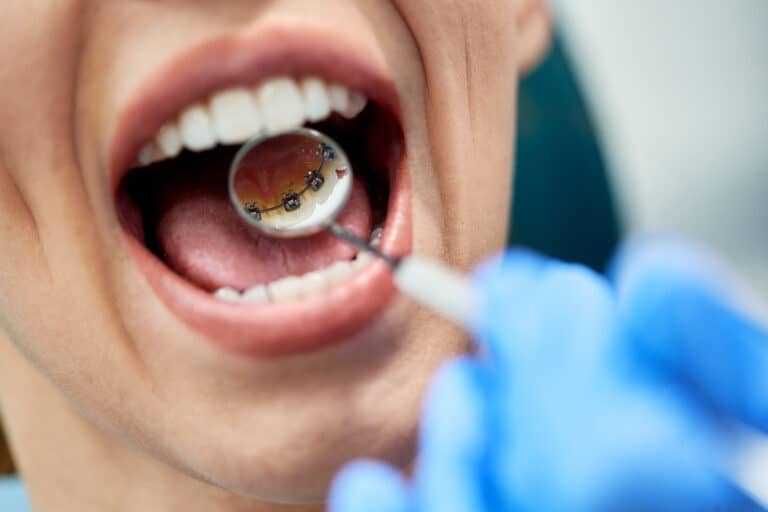
Lingual braces are fixed to the inner, tongue-facing surface of teeth, making them completely invisible to others. This is the main reason they’re chosen by patients with high aesthetic demands.
These braces systems allow you to undergo orthodontic treatment without changing the external appearance of your smile. However, lingual braces require greater manufacturing precision, are more difficult to maintain, and cost more. During the first few days, there may be a temporary impact on speech, but after adaptation, this usually passes. It’s also important that treatment is conducted by an orthodontist with experience specifically working with lingual systems.
Lingual braces are most often recommended for adult patients, public figures, and those who are willing to accept certain inconveniences for the sake of maximum treatment invisibility.
Thus, the choice between visible and invisible braces depends on the balance between aesthetics, comfort, and budget. The final decision is always made together with an orthodontist after evaluating the clinical situation.
Ligated vs. Self-Ligating Braces: How the Wire Is Held
Another important criterion for choosing a braces system is the method of fixing the orthodontic wire. The wire creates the pressure that gradually straightens teeth, and the difference between systems lies in exactly how it’s held in the brackets. Most often, patients choose between traditional ligated and modern self-ligating braces.
Ligated Braces (Traditional Systems)
In ligated braces, the wire is fixed using special rubber bands—ligatures—or thin metal wires. This option has been used in orthodontics for many years and is well-studied in practice.
The main advantages of ligated braces include affordable cost and reliability. The method is time-tested, suitable for most dental cases, and doesn’t require complex mechanisms. For children and teenagers, an additional plus is the ability to choose the color of rubber bands, which makes treatment more psychologically comfortable.
However, ligatures have their downsides. Over time, rubber bands lose elasticity or tear, plaque accumulates around them faster, which complicates hygiene. Additionally, elastic ligatures can become stained from coffee, tea, or brightly colored foods.
Ligated systems are well-suited for children, teenagers, and adult patients who want effective orthodontic treatment at a moderate price.
Self-Ligating Braces
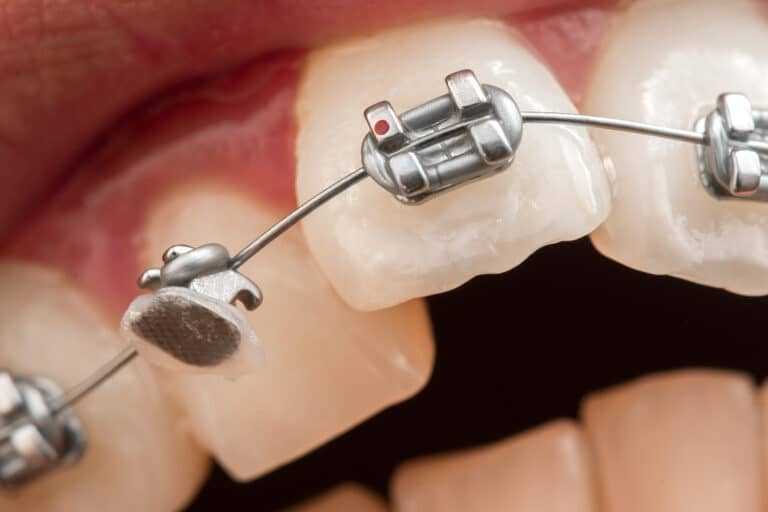
In self-ligating braces, the wire is held not by rubber bands but by built-in clips or sliding doors. This allows the wire to be fixed without additional elastic elements.
The main advantage of self-ligating systems is considered to be less friction between the wire and brackets. Theoretically, this can make tooth movement smoother, although in practice, treatment speed depends not only on the type of braces but also on the specific clinical situation. Also, the absence of rubber bands reduces plaque accumulation, and visits to the orthodontist can sometimes be scheduled at longer intervals—approximately once every 4–8 weeks.
Among the drawbacks are higher cost and a more complex mechanism that can wear out over time. It’s important to understand that the difference in treatment duration is often exaggerated: usually, it’s not a matter of months but only a few weeks.
Self-ligating braces are more often chosen by adult patients, people who are willing to pay more for potential comfort, and in complex orthodontic cases—upon the doctor’s recommendation.
Thus, ligated and self-ligating braces differ not in effectiveness but in the technique of wire fixation, comfort, and cost. The best option is always determined individually after consultation with an orthodontist.
Comparative Table of Braces Types
Below is a summary comparison table of braces systems that helps you quickly navigate the main differences, from visibility and comfort to cost and indications. The table doesn’t replace an orthodontist consultation but works well for initial selection and understanding braces and their types.
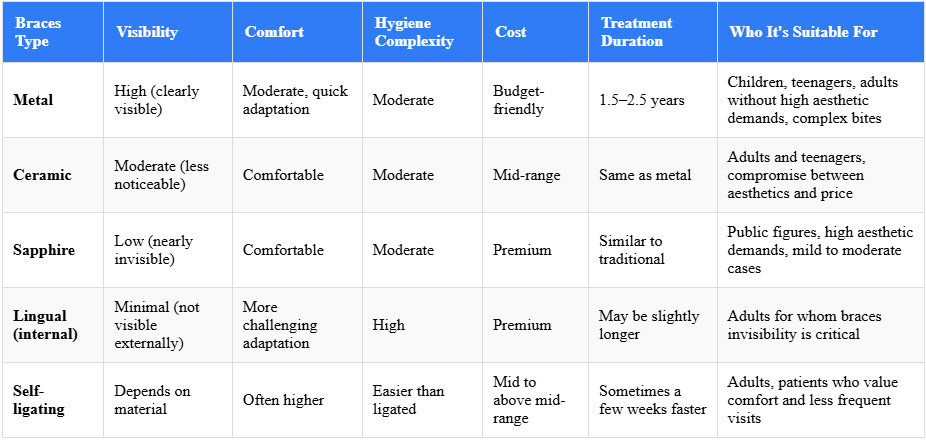
*Self-ligating braces are not a separate material but a type of construction. They can be metal or ceramic and differ in the method of wire fixation (without rubber bands).
No type of braces is “universally better.” Treatment effectiveness primarily depends on the clinical case and the orthodontist’s experience, and only then on the material or system type. The optimal option is always selected individually after examination and diagnosis.
Care and Hygiene with Different Types of Braces: Is It More Difficult?
Taking care of your teeth while wearing braces is crucial for successful treatment and oral health. The basic rules are the same for all systems—brushing with a toothbrush, using dental floss and an irrigator. But some nuances depend on the type of braces.
With ceramic and sapphire braces, the main focus is on the rubber bands (ligatures). They can change color from coffee, tea, wine, or bright lipstick. The brackets themselves remain transparent. To avoid stains, it’s recommended to rinse your mouth after eating and choose light-colored ligatures.
Lingual braces, which are placed on the inner side of teeth, are more difficult to clean. Here you need special brushes, interdental brushes, and an irrigator to reach all surfaces.
Self-ligating braces are easier to keep clean because they don’t have rubber bands and accumulate less plaque. But the bracket mechanism is more complex, so thorough cleaning remains mandatory.
Care is needed for all types of braces, but lingual and ceramic systems require more attention and regularity. With the right approach, any braces can be kept clean and effective.
Cost and Treatment Duration: How to Choose Without Overpaying
When choosing a braces system, it’s important to consider the combination of price, effectiveness, and treatment duration. Here are general cost guidelines:
- Metal—the basic system, conventionally 100%
- Ceramic—50–100% more expensive
- Sapphire—premium, 100–200% more expensive than metal
- Lingual—internal braces, +200–300% compared to metal
- Self-ligating—depending on the system, +20–50% to the cost of metal or ceramic
Regarding treatment duration:
- Metal and ceramic with ligatures—approximately 18–24 months
- Self-ligating—potentially 16–20 months, but the difference isn’t always noticeable
- Lingual—usually 18–24 months, sometimes the same as traditional
More expensive braces don’t always give better results, and cheaper ones don’t necessarily give worse results. Choosing the optimal system depends on the balance between effectiveness, comfort, and the patient’s budget.
Frequency of Visits and Interaction with the Orthodontist
During braces treatment, it’s important to understand how often you need to visit the orthodontist and what to expect at appointments.
For ligated braces, visits are usually scheduled every 4–6 weeks. During the appointment, the orthodontist adjusts the wire and replaces the ligatures.
With self-ligating systems, the schedule can be slightly less frequent—every 4–8 weeks, depending on the specific system and the speed of tooth movement.
Lingual braces require more attention at the beginning of treatment, so visits may be more frequent, approximately every 4–6 weeks.
For all vestibular braces, the standard schedule is 4–6 weeks. Usually, one appointment lasts 30–45 minutes.
If an unexpected situation occurs—for example, a wire or bracket breaks—it’s recommended to contact your orthodontist urgently. Temporarily, the problem can be covered with wax or a special pad, but complete resolution requires professional help.
About the Author: Dr. Anastasiia Myleshchenko is a practicing orthodontist and gnathologist specializing in comprehensive orthodontic care and temporomandibular joint disorders.
Make an appointment
You can make an appointment by filling out the application form on the website, as well as using instant messengers:
Make an appointment
You can make an appointment by filling out the application form on the website, as well as using instant messengers:


Make an appointment easily using chatbots:
Also, call the numbers:
Modern dentistry and medical centre "MED-DEO"
Choose a clinic whose location is more convenient for you.
Kyiv, Holosiivska/Demiivska metro station
130 Lobanovskoho Avenue


Working hours:
Mon - Sun: 8:00 AM - 9:00 PM
No days off!
Call the numbers:
How to get to us? Create a route
Create a route
Kyiv, Akademistechko metro station
78A, Irpinska str.


Working hours:
Mon-Sun: 8.00-21.00
Without days off!
Call the numbers:
How to get to us?
Create a route
Create a route
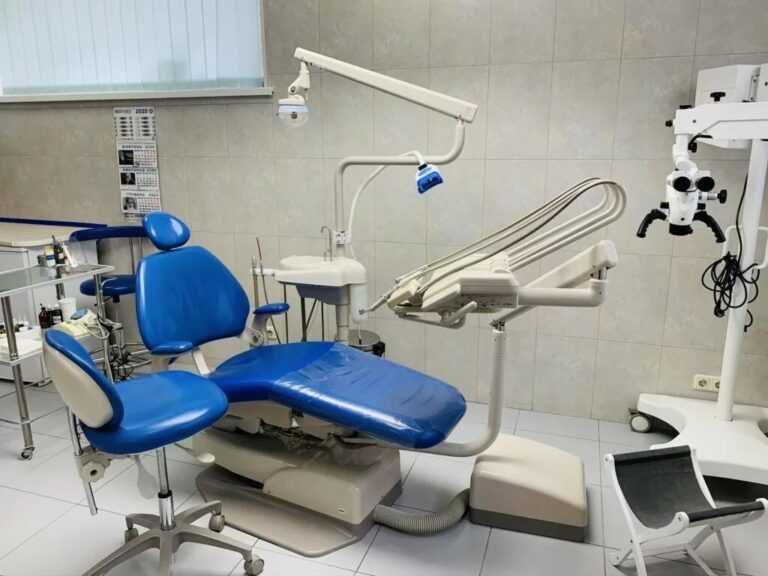
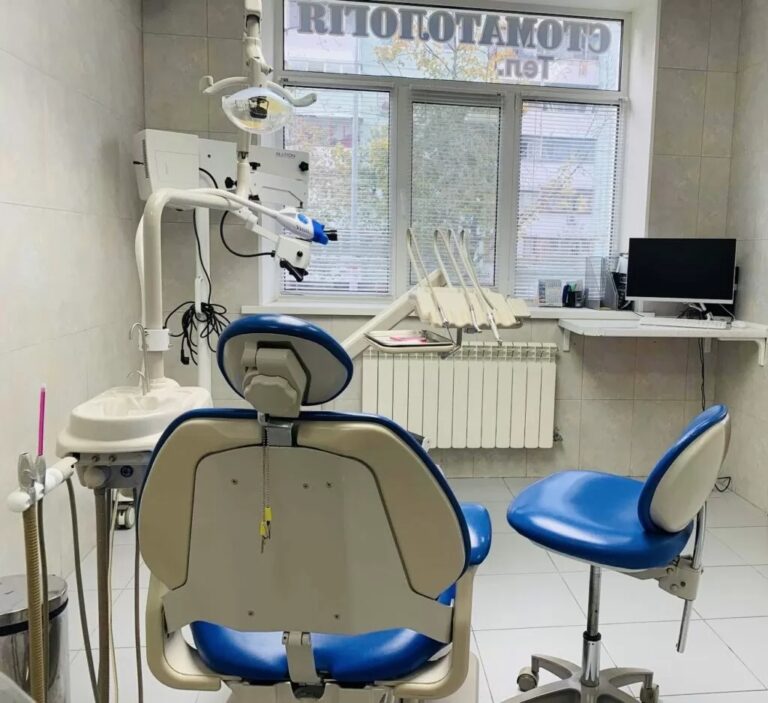
Kyiv, Heroiv Dnipra metro station
32A, Heroiv Dnipra str.
Working hours:
Mon-Sun: 8.00-21.00
Without days off!
Call the numbers:
How to get to us?
Create a route
Create a route
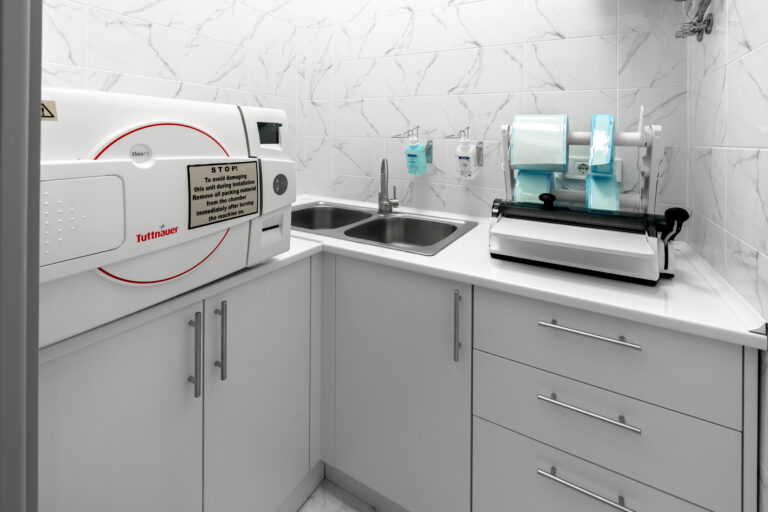
Kyiv, Teatralna metro station
9B, E. Chykalenko (Pushkinska) str.



Working hours:
Mon-Sat: 8.00 - 21.00. Sun: by appointment.
Without days off!
Call the numbers:
How to get to us?
Create a route
Create a route
Відгук від клієнта
0:00
0:00


Your email will not be published on the site.