Special offer! Comprehensive professional teeth cleaning for only 1699 UAH.
Special offer! Comprehensive professional teeth cleaning for only 1699 UAH.
Special offer! Comprehensive professional teeth cleaning for only 1699 UAH.
Special offer! Comprehensive professional teeth cleaning for only 1699 UAH.
Special offer! Comprehensive professional teeth cleaning for only 1699 UAH.
Special offer! Comprehensive professional teeth cleaning for only 1699 UAH.
Special offer! Comprehensive professional teeth cleaning for only 1699 UAH.
Special offer! Comprehensive professional teeth cleaning for only 1699 UAH.
Special offer! Comprehensive professional teeth cleaning for only 1699 UAH.
Special offer! Comprehensive professional teeth cleaning for only 1699 UAH.
Sign up
 (044) 394 90 94
(044) 394 90 94  Holosiivska/Demiivska metro station
Sign up
(044) 394 90 94
(044) 394 90 94
Doctors


 Prices
Blog
Contacts
Prices
Blog
Contacts
пр.Лобановського, 130, Київ, Україна
Temporarily closed
Opening soon
78A, Irpinska St., Kyiv, Ukraine
Temporarily closed
Opening soon
32A, Heroiv Dnipra St., Kyiv, Ukraine
Temporarily closed
Opening soon
9B, Yevhena Chykalenko St. (Pushkinska), Kyiv, Ukraine
Temporarily closed
Opening soon
(044) 394 90 94
Back
Dentistry
General Dentistry
Dental surgery
Dental Implants
Maxillofacial Surgery
Dental prosthetics
Cosmetic dentistry

Professional Dental Hygiene

Periodontics
Orthodontic dentistry

Gnathology & TMJ Therapy

Pediatric Dentistry
Dental X-Rays
Back
Orthodontic Center
Orthodontic dentistry
Gnathology & TMJ Therapy
Back
Prosthodontic Center
Dental prosthetics
Back
MED-DEO Center for Maxillofacial Surgery & Facial Plastics
Maxillofacial Surgery
Plastic surgery
Back
Surgical Dental Center
Dental surgery
Dental Implants
Search on the site


Popular requests
Teeth whitening
Treatment of caries
Wisdom tooth extraction
Bracket system
Dental veneers
Tooth restoration
Pediatric dentist
Consultation with a dentist-therapist
Search results by: «».
Unfortunately, no results were found for your search: “Pediatric Endocrinologist”, nothing was found.
You may find these links useful:
Clinics "MED-DEO"
пр.Лобановського, 130, Київ, Україна
Temporarily closed
Opening soon
78A, Irpinska St., Kyiv, Ukraine
Temporarily closed
Opening soon
32A, Heroiv Dnipra St., Kyiv, Ukraine
Temporarily closed
Opening soon
9B, Yevhena Chykalenko St. (Pushkinska), Kyiv, Ukraine
Temporarily closed
Opening soon
Services
Dentistry Orthodontic Center Prosthodontic Center MED-DEO Center for Maxillofacial Surgery & Facial Plastics Surgical Dental CenterGeneral Dentistry
Dental surgery
Dental Implants
Maxillofacial Surgery
Dental prosthetics
Cosmetic dentistry
Professional Dental Hygiene
Periodontics
Orthodontic dentistry
Gnathology & TMJ Therapy
Pediatric Dentistry
Dental X-Rays
Orthodontic dentistry
Gnathology & TMJ Therapy
Dental prosthetics
Maxillofacial Surgery
Dental surgery
Dental Implants


Today, many people dream of a perfect, pearly-white smile. Veneers and lumineers are modern methods for making teeth even, beautiful, and natural-looking. They help create the so-called Hollywood smile, but differ in the degree of tooth preparation required, the materials used, and how long the results last. Understanding these details is important for choosing the method that is right for you while preserving the health of your teeth.
What Are Lumineers: Definition and Purpose
Lumineers are ultra-thin ceramic shells, just 0.2 mm thick, that allow you to quickly and painlessly improve the appearance of your teeth. They perfectly replicate the natural shape and translucency of enamel, making the smile look as natural as possible.
This method was developed at the Cerinate laboratory in California and quickly gained popularity among people dreaming of a perfect Hollywood smile. Lumineers are especially valued for their ability to conceal cosmetic imperfections in teeth — irregularities, discoloration, cracks, or slight misalignment — without any enamel preparation and without pain.
What are lumineers, exactly? In other words, lumineers are “ultra-veneers” or “Hollywood laminates,” because this is precisely the method that helps celebrities achieve their famously radiant, dazzling white smile. They not only improve the appearance of teeth but also preserve their natural structure, making the procedure both safe and long-lasting.
Thanks to their thinness and aesthetic properties, lumineers have become one of the most popular ways to create an even, attractive smile, even when teeth have minor defects or staining.
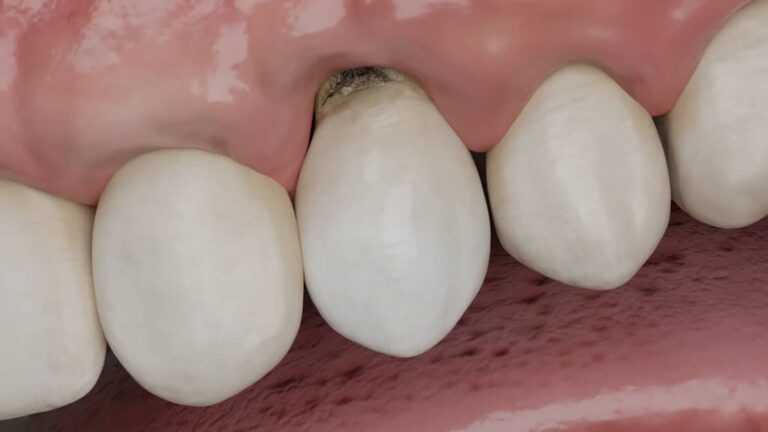
Lumineers photo:
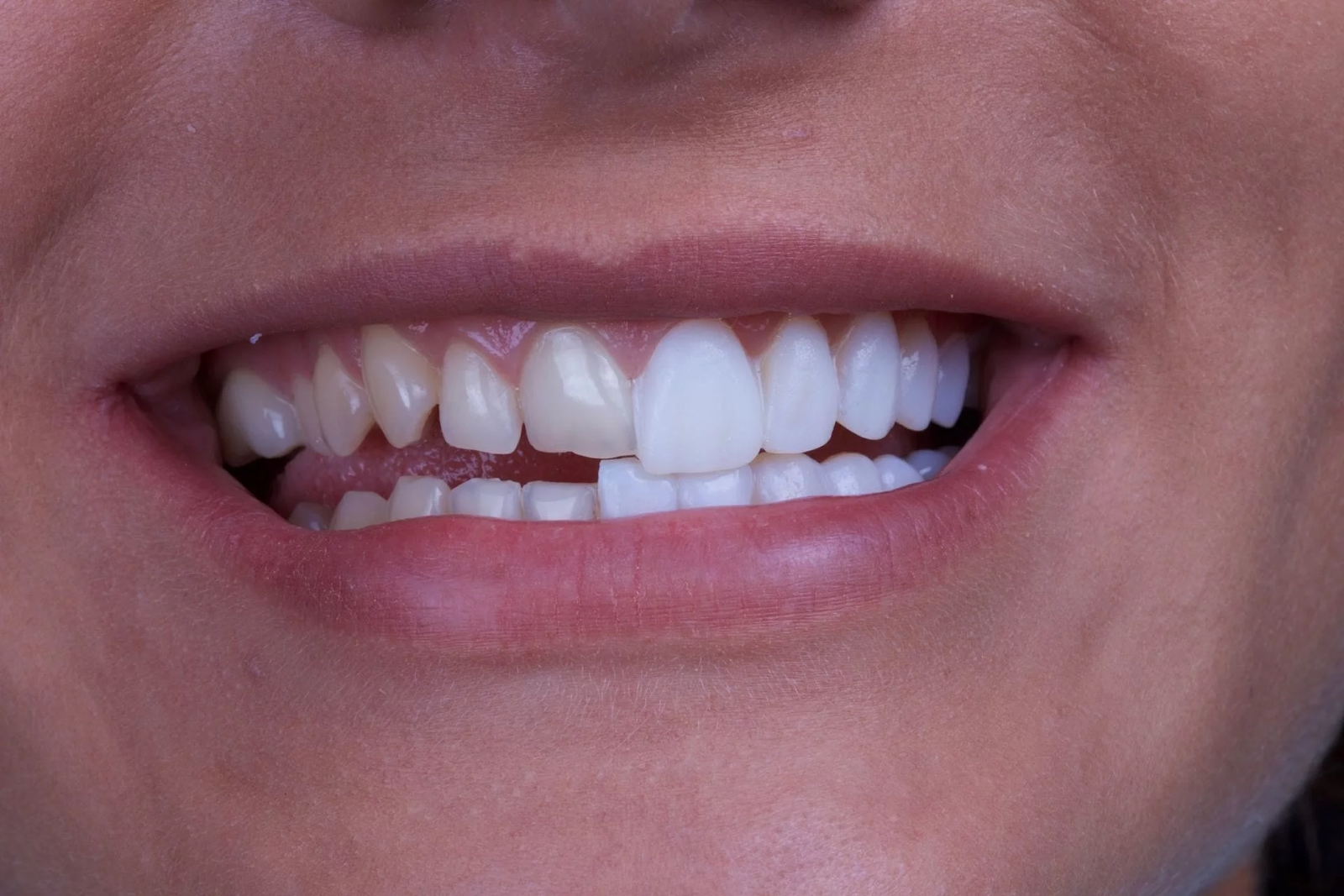
Lumineers and Veneers: Differences and Distinctions
Lumineers and veneers are two popular ways to achieve a beautiful smile, but there are important differences between them.
Lumineers vs. Veneers: Comparison Table
Lumineers and veneers are ultra‑thin shells that enhance the smile, but they differ in thickness, tooth preparation, and fixation method.
| Parameter | Lumineers | Veneers |
|---|---|---|
| Thickness | 0.2 mm (ultra‑thin) | 0.3–0.6 mm |
| Tooth preparation | No tooth reduction required | Enamel reshaping required |
| Tooth coverage | Only the front surface | Front surface + biting edge |
| Fixation method | Special adhesive | Cement‑based material |
| Manufacturing | Made in the USA, longer wait time | Can be made locally, faster |
So lumineers suit patients who want minimal intervention without tooth reduction, while veneers offer broader possibilities for changing tooth shape and color thanks to more extensive preparation.
Lumineers are suited for those who want minimal intervention and a quick aesthetic improvement, while veneers are better for more complex cases requiring substantial coverage of the biting surface or significant reshaping of the teeth.
Similarities Between Lumineers and Veneers
Although lumineers and veneers differ in thickness, bonding method, and tooth preparation, they share many common features that make both methods popular for creating a beautiful smile.
Aesthetic results. Both options give teeth a natural appearance. They replicate the shape, color, and translucency of natural enamel, so the smile looks natural and harmonious, as though the teeth have always looked that way.
Material. Both lumineers and veneers are made from medical-grade ceramic or porcelain. These materials are stain-resistant, do not change color from coffee, tea, or wine, and allow light to pass through just like natural enamel.
Area of application. Both methods are applied only to the front teeth — the smile zone. This makes it possible to correct visible defects without affecting the molars that bear the main chewing load.
Purpose of placement. The primary goal for both lumineers and veneers is to improve dental aesthetics and conceal cosmetic defects. They help hide cracks, stains, slight misalignment, or unevenness, making the smile even and attractive.
Durability. With proper care, both options can last for many years. They withstand daily wear, resist food staining, and virtually maintain their appearance over time.
Thanks to these shared characteristics, lumineers and veneers remain the most popular ways to achieve a beautiful Hollywood smile, regardless of which method the patient chooses based on personal preferences and the condition of their teeth.
Veneers or Lumineers: Which Is the Better Choice?
How do you choose between veneers and lumineers? It all depends on the condition of your teeth, your budget, and how important it is to preserve your natural teeth.
When to Choose Lumineers
- Minor enamel defects: stains, small cracks, slight unevenness.
- You prefer not to have your teeth ground down.
- You are willing to wait for the shells to be fabricated in the USA.
- Your budget allows for the premium option.
When Veneers Are the Better Choice
- Significant issues: considerable misalignment, short teeth, wedge-shaped teeth.
- You need fast results.
- You have a limited budget and prefer local fabrication.
An individual consultation with a dentist is essential. The doctor will assess the condition of your teeth, discuss potential risks, and help you choose the option that is right for you — veneers or lumineers.
The Lumineer Placement Process: A Step-by-Step Guide
Lumineer placement is a carefully planned procedure that results in a beautiful, natural-looking Hollywood smile. Here is how the entire process works, step by step:
Step 1. Consultation. The dentist examines your teeth, evaluates the condition of the enamel, and discusses your preferences. “Before” photographs of your smile are taken for later comparison.
Step 2. Smile planning. The shape and shade of the lumineers are selected. Using Digital Smile Design, the patient can preview how their smile will look after placement. The design is agreed upon together with the patient.
Step 3. Impressions. Precise dental impressions are taken and sent to the Cerinate laboratory in the USA for the fabrication of custom lumineers.
Step 4. Fabrication. The lumineers are produced in the laboratory over a period of two to four weeks. If necessary, the dentist may place temporary shells in the meantime.
Step 5. Try-in. The lumineers are placed on the teeth for a trial fitting. The fit, shade, and aesthetics are checked, and minor adjustments are made if needed.
Step 6. Bonding. The teeth are cleaned, a special adhesive is applied, the shells are positioned, and they are cured with a light-curing lamp. In the final stage, the edges are polished for a perfect fit.
From the initial consultation to final bonding, the process typically takes several weeks, depending on the speed of fabrication and design approval.
How Much Do Lumineers Cost: What Affects the Price
The cost of lumineers in Ukraine depends on several factors and can vary significantly. Approximate pricing is as follows: a single lumineer costs between 10,000 and 20,000 UAH, depending on the clinic and the material, while a full set for the front teeth (8–10 units) ranges from 80,000 to 200,000 UAH.
The following factors affect the price: fabrication in the USA, including shipping and customs duties; the experience and qualifications of the dentist; the level of the clinic and its modern equipment; the use of Digital Smile Design for precise smile planning; the need for additional treatment such as dental cleaning or oral sanitation; and the region, as prices in Kyiv are typically higher than in other cities.
For comparison, veneers are usually 30–50% less expensive, but they often require more extensive tooth preparation and can be produced locally.
Frequently Asked Questions (FAQ)
Is lumineer placement painful?
No, the procedure is virtually painless. Anesthesia is usually not required because the enamel is minimally prepared or not touched at all.
Can lumineers be removed after placement?
Yes, they can be removed without damaging the teeth, because they are bonded with a special adhesive and do not destroy the enamel.
Are lumineers suitable for all teeth?
No, they are placed only on the front teeth in the smile zone. For significant defects or molars, veneers are a better option.
Which is better: lumineers or veneers?
Lumineers are ideal for those who want minimal intervention and a natural-looking Hollywood smile. Veneers are better suited for serious defects or when faster results are needed.
Author: Andrii Kratik, Oral SurgeonOral ImplantologistOrthodontistGeneral Dentist


Make an appointment
You can make an appointment by filling out the application form on the website, as well as using instant messengers:
Make an appointment
You can make an appointment by filling out the application form on the website, as well as using instant messengers:


Make an appointment easily using chatbots:
Also, call the numbers:
Modern dentistry and medical centre "MED-DEO"
Choose a clinic whose location is more convenient for you.
Kyiv, Holosiivska/Demiivska metro station
130 Lobanovskoho Avenue


Working hours:
Mon - Sun: 8:00 AM - 9:00 PM
No days off!
Call the numbers:
How to get to us? Create a route
Create a route
Kyiv, Akademistechko metro station
78A, Irpinska str.


Working hours:
Mon-Sun: 8.00-21.00
Without days off!
Call the numbers:
How to get to us?
Create a route
Create a route
Kyiv, Heroiv Dnipra metro station
32A, Heroiv Dnipra str.
Working hours:
Mon-Sun: 8.00-21.00
Without days off!
Call the numbers:
How to get to us?
Create a route
Create a route
Kyiv, Teatralna metro station
9B, E. Chykalenko (Pushkinska) str.



Working hours:
Mon-Sat: 8.00 - 21.00. Sun: by appointment.
Without days off!
Call the numbers:
How to get to us?
Create a route
Create a route
Відгук від клієнта
0:00
0:00


Your email will not be published on the site.