Special offer! Comprehensive professional teeth cleaning for only 1899 UAH.
Special offer! Comprehensive professional teeth cleaning for only 1899 UAH.
Special offer! Comprehensive professional teeth cleaning for only 1899 UAH.
Special offer! Comprehensive professional teeth cleaning for only 1899 UAH.
Special offer! Comprehensive professional teeth cleaning for only 1899 UAH.
Special offer! Comprehensive professional teeth cleaning for only 1899 UAH.
Special offer! Comprehensive professional teeth cleaning for only 1899 UAH.
Special offer! Comprehensive professional teeth cleaning for only 1899 UAH.
Special offer! Comprehensive professional teeth cleaning for only 1899 UAH.
Special offer! Comprehensive professional teeth cleaning for only 1899 UAH.
Sign up
 (044) 394 90 94
  Holosiivska/Demiivska metro station
Doctors


 Prices
Blog
Contacts
130, Valeriia Lobanovskoho Ave., Kyiv, Ukraine
Temporarily closed
Opening soon
78A, Irpinska St., Kyiv, Ukraine
Temporarily closed
Opening soon
32A, Heroiv Dnipra St., Kyiv, Ukraine
Temporarily closed
Opening soon
9B, Yevhena Chykalenko St. (Pushkinska), Kyiv, Ukraine
Temporarily closed
Opening soon
Sign up
En
(044) 394 90 94
Back
Dentistry
General Dentistry
Dental surgery
Dental Implants
Maxillofacial Surgery
Dental prosthetics
Cosmetic dentistry
Professional Dental Hygiene

Periodontics
Orthodontic dentistry

Gnathology & TMJ Therapy
Pediatric Dentistry
Dental X-Rays
Back
Orthodontic Center
Orthodontic dentistry
Gnathology & TMJ Therapy
Back
Prosthodontic Center
Dental prosthetics
Back
MED-DEO Center for Maxillofacial Surgery & Facial Plastics
Maxillofacial Surgery
Plastic surgery
Back
Surgical Dental Center
Dental surgery
Dental Implants
Search on the site


Popular requests
Teeth whitening
Treatment of caries
Wisdom tooth extraction
Bracket system
Dental veneers
Tooth restoration
Pediatric dentist
Consultation with a dentist-therapist
Search results by: «».
Unfortunately, no results were found for your search: “Pediatric Endocrinologist”, nothing was found.
You may find these links useful:
Dentistry "MED-DEO"
130, Valeriia Lobanovskoho Ave., Kyiv, Ukraine
Temporarily closed
Opening soon
78A, Irpinska St., Kyiv, Ukraine
Temporarily closed
Opening soon
32A, Heroiv Dnipra St., Kyiv, Ukraine
Temporarily closed
Opening soon
9B, Yevhena Chykalenko St. (Pushkinska), Kyiv, Ukraine
Temporarily closed
Opening soon
Services
Dentistry Orthodontic Center Prosthodontic Center MED-DEO Center for Maxillofacial Surgery & Facial Plastics Surgical Dental CenterGeneral Dentistry
Dental surgery
Dental Implants
Maxillofacial Surgery
Dental prosthetics
Cosmetic dentistry
Professional Dental Hygiene
Periodontics
Orthodontic dentistry
Gnathology & TMJ Therapy
Pediatric Dentistry
Dental X-Rays
Orthodontic dentistry
Gnathology & TMJ Therapy
Dental prosthetics
Maxillofacial Surgery
Dental surgery
Dental Implants
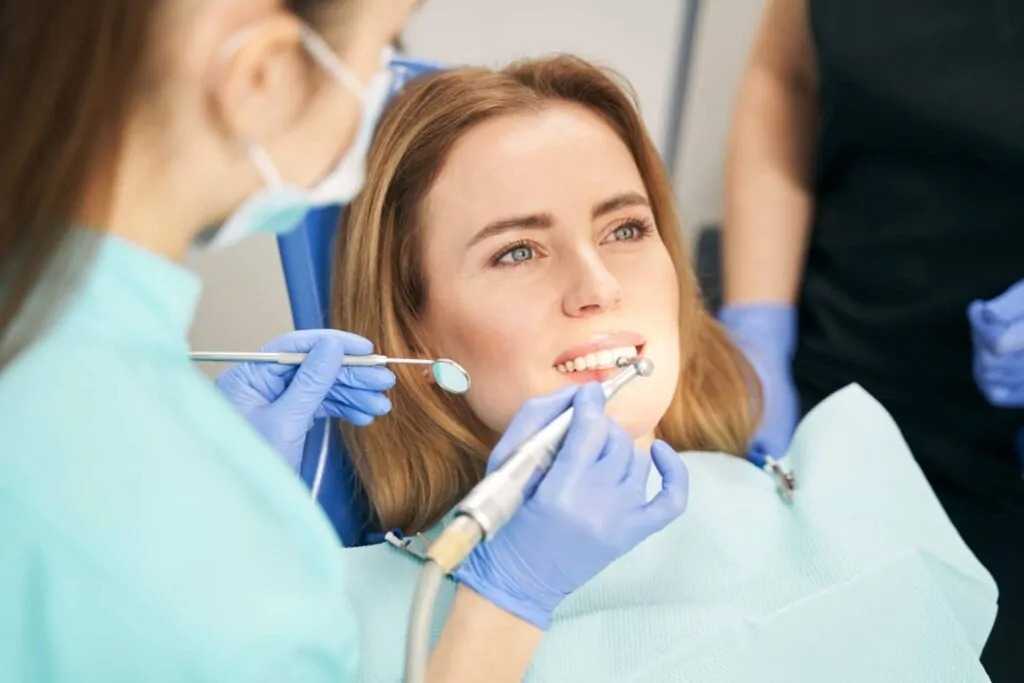

Home vs. Professional Hygiene: What’s the Difference
Oral hygiene isn’t just about brushing your teeth every day. It’s comprehensive care for the health of your teeth and gums. Even the most thorough daily routine at home can’t replace a visit to the dentist, so you need both home care and professional oral hygiene with a dentist. This is especially true for hard-to-reach areas, where it’s almost impossible to remove plaque on your own at home.
Comprehensive oral hygiene protects your teeth from cavities, your gums from inflammation, and your breath from unpleasant odor. In this article, we’ll look at how plaque forms, why professional hygiene is necessary, and which types are the most common today.
Professional Dental Hygiene
Professional oral hygieneHow Plaque and Tartar Form
Plaque formation starts with what’s known as biofilm. This is a soft, slightly sticky film that builds up on your teeth within a few hours of brushing. Bacteria “live” on this biofilm and “feed” on leftover food. When too many of them accumulate, they start producing acid, which directly damages tooth enamel.
If you don’t keep up with regular dental hygiene, meaning the soft plaque isn’t removed in time, it starts to gradually mineralize (harden) after about 12 hours. Then, over roughly 1–3 weeks (a very approximate figure), it turns into what’s called tartar: a hard yellowish or even brown deposit. Tartar clings firmly to the enamel, especially below the gumline.
Daily oral hygiene is very important, but once tartar has formed, you can’t remove it yourself. It’s too hard and, so to speak, fused to the tooth surface. Trying to scrape it off will only damage your enamel.
Why You Need Professional Hygiene
It’s not just a matter of aesthetics. It’s also about your health. So what is dental hygiene, and why do you need it? Here’s what it does:
- Removes plaque and tartar, including in places the brush can’t reach and where bacteria build up.
- Restores the natural color of your enamel by removing stains from coffee, tea, and smoking.
- Reduces tooth sensitivity.
- Lowers the risk of cavities, gingivitis, and periodontitis.
- Gives you fresh breath by eliminating bad odor.
If your gums bleed when you brush, don’t put off a visit to the dentist! Professional oral hygiene is most often the first thing that stops inflammation at an early stage. And when you also take good care of your teeth at home, the results last much longer. What’s more, after a professional cleaning, home care gets easier: your tooth surfaces are smooth and hold less plaque.
Next, we’ll explain how often you need it, which methods are available today, and how much dental hygiene costs at the dentist.
How Often You Should Get a Professional Cleaning
How often you need professional oral hygiene depends on individual factors. After all, plaque and tartar build up differently from person to person. It also matters whether you have orthodontic or other appliances in your mouth, for example.
In general, professional oral hygiene is recommended about once every six months. But if you wear braces or have implants, you should see your dentist more often, about once every 3–4 months. The same applies to smokers and people who are naturally prone to rapid tartar buildup.
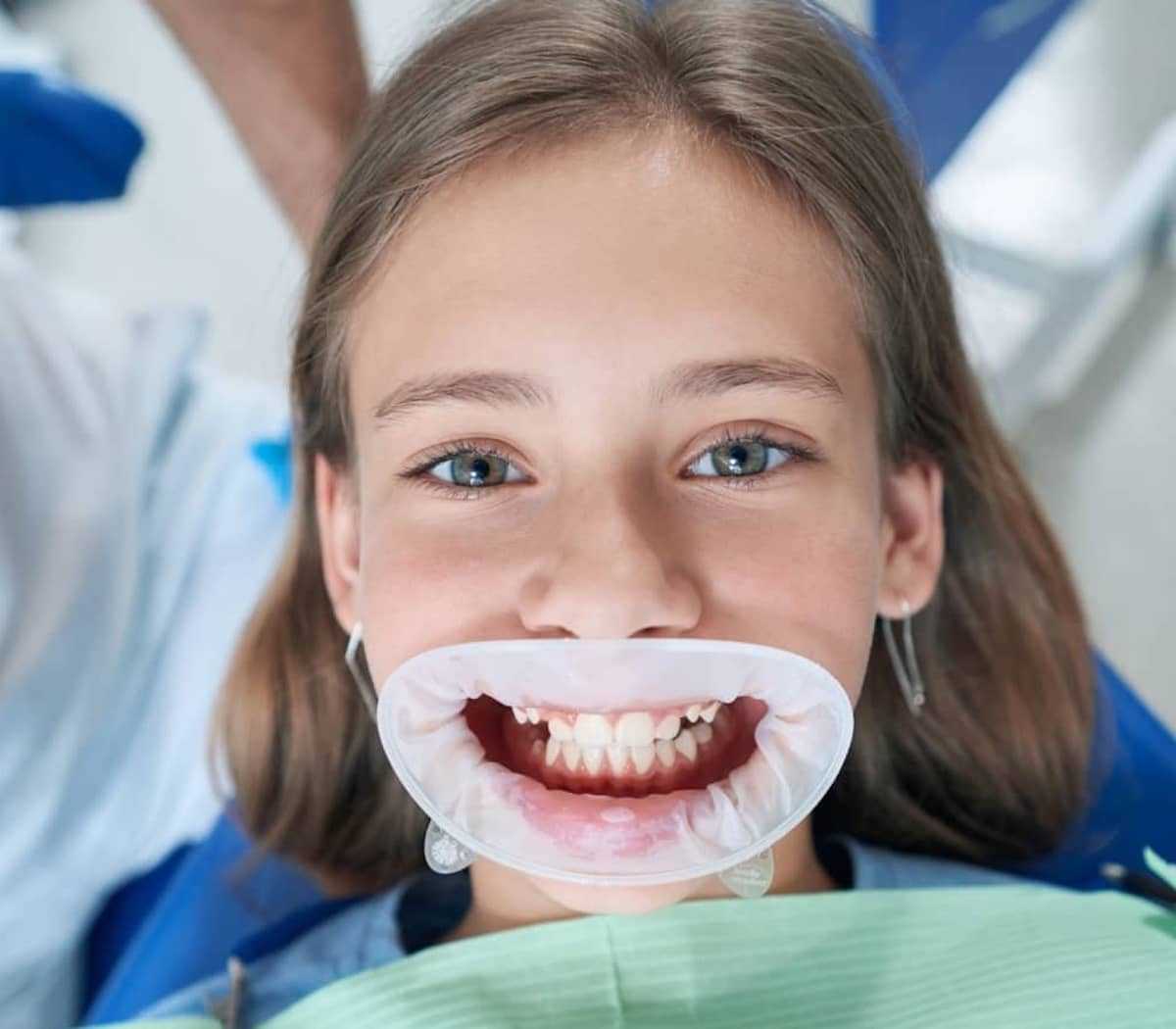
The cost of oral hygiene at Med-Deo depends on the methods chosen and the scope of the procedure. If you have braces, for instance, the doctor will choose a cleaning method for you individually during the exam.
Professional Teeth Cleaning Methods
Different clinics offer different technologies today, but professional oral hygiene generally consists of several stages: tartar removal, removal of pigmented plaque, enamel polishing, and, if needed, remineralization or fluoride treatment. Some doctors also offer additional methods, such as laser cleaning, although ultrasonic cleaning and Air Flow remain the foundation. The cost of oral hygiene also depends on the methods chosen and the amount of work involved.
Now let’s look at the main methods of professional oral hygiene in more detail.
Ultrasonic Cleaning
The scaler produces ultrasonic vibrations that loosen tartar and effectively chip it off the enamel. At the same time, a stream of water cools the ultrasonic tip and rinses away the particles. This is the main method of professional dental hygiene for removing hard deposits, including those below the gumline. That’s why ultrasonic cleaning is suitable for virtually anyone who already has hardened plaque.
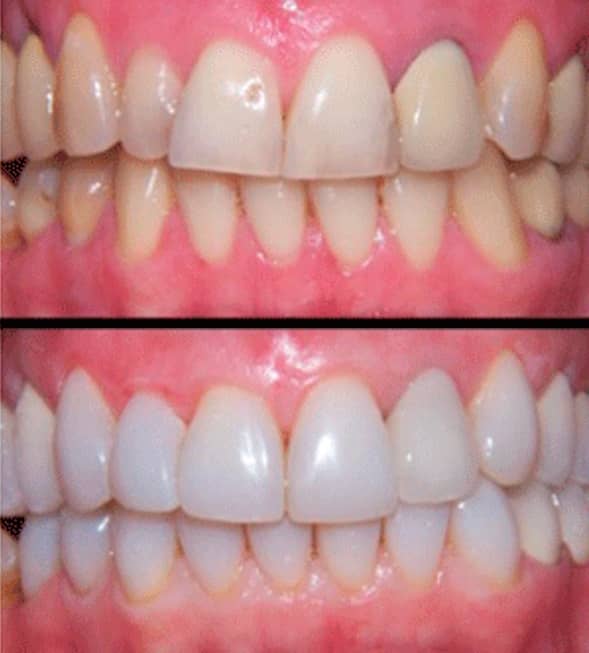
Air Flow
This method of professional dental hygiene uses a jet of water, air, and a fine, soft powder. This is how the Air Flow system gently removes pigmented plaque and the biofilm where bacteria collect. It’s especially well suited to people with braces, implants, and crowns, since the powder reaches hard-to-access areas, such as around brackets and other appliances, without damaging them. So if you have orthodontic or prosthetic appliances, professional oral hygiene with Air Flow will effectively remove soft or pigmented plaque and biofilm. It still won’t replace ultrasonic cleaning when tartar is present, though.
Does Professional Teeth Cleaning Hurt?
Professional dental hygiene is usually painless and well tolerated. You may feel some temporary discomfort, such as a light vibration from the instruments and cool water (especially if your teeth are sensitive). In general, though, what you feel depends on how much tartar you have and on the condition of your gums and enamel. When deposits sit deep below the gumline and the gums are also inflamed, you will feel it during the cleaning. If it’s unbearable for you, of course, the doctor will offer anesthesia. If you know you have sensitive teeth and have felt significant discomfort during professional oral hygiene before, tell your doctor right away. That way, they can tailor the whole procedure to you in advance.
When to Postpone Professional Hygiene
In most cases, professional dental hygiene is a safe procedure. Sometimes, however, you may need to consult another doctor, or it may simply be better to postpone the procedure. This can be the case with:
- Pregnancy and breastfeeding. These aren’t a general contraindication, but sometimes advice from an OB-GYN is important, depending on the woman’s condition or stage of pregnancy.
- Flare-ups of infections, particularly acute inflammatory processes. Doctors usually wait until you’ve recovered.
- Severe cardiovascular conditions. You’ll need to consult a cardiologist.
- Bronchial asthma. Some methods, such as Air Flow, may not be suitable because they use a powder. You should tell your dentist about the diagnosis.
- Increased enamel sensitivity. This doesn’t always mean postponing the cleaning. The doctor will simply choose a method individually, such as a gentler one.
If you have any doubts about the safety of the procedure, tell your doctor. After an exam, they’ll be able to choose the professional oral hygiene method that’s right for you and explain all the contraindications.
Home Hygiene Between Visits
Patients often ask what dental hygiene between dentist visits should involve. Many of them assume that professional oral hygiene will solve most of their problems. It’s worth saying that professional cleaning doesn’t replace home care. It complements it. Your home hygiene routine between visits should include:
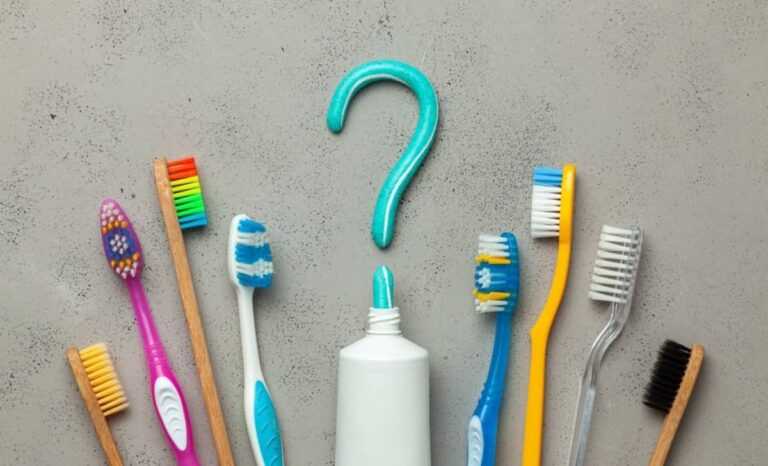
- A medium- or soft-bristled toothbrush, replaced every 2–3 months.
- Fluoride toothpaste twice a day.
- Dental floss daily to clean between the teeth.
- An oral irrigator, which complements flossing, especially if you have braces or implants. In general, though, it isn’t essential.
- Tongue cleaning, since bacteria build up there too.
Common mistakes include:
- brushing for less than 2 minutes;
- not cleaning between the teeth;
- going too long without replacing your toothbrush (you should replace it roughly every 3–4 months).
Frequently Asked Questions (FAQ)
What is dental hygiene, and what does it involve?
Dental hygiene is a combination of regular daily brushing and professional cleaning at the dentist’s office about once every six months (about once every 3 months if you have orthodontic or other appliances).
How much does professional dental and oral hygiene cost?
The cost of professional dental and oral hygiene depends on the specific method and the amount of work involved. For example, Air Flow oral hygiene alone may cost less than a comprehensive cleaning that also includes ultrasound (to remove tartar). You can find out the exact cost for your case from the doctor at your appointment.
Can children have professional hygiene?
Yes, children can have professional hygiene. It’s beneficial, especially once permanent teeth have come in or if the child wears braces. A pediatric dentist determines whether it’s needed and which gentle methods to use.
Does professional teeth cleaning hurt?
Usually, no. Professional teeth cleaning doesn’t hurt. You may feel slight discomfort, especially if your teeth are sensitive and/or your gums are inflamed. But if you wish, the doctor will offer anesthesia.
Professional teeth cleaning at Med-Deo clinic in Kyiv will rid you of both tartar and pigmented plaque (the yellowish tint on teeth). It will also keep your breath fresh and your teeth healthy overall. Book a consultation and find out all the details of the procedure!
The author of this article is Andrii Kratik, a prosthodontist, general dentist, oral surgeon, and implantologist.

Make an appointment
You can make an appointment by filling out the application form on the website, as well as using instant messengers:
Make an appointment
You can make an appointment by filling out the application form on the website, as well as using instant messengers:


Make an appointment easily using chatbots:
Also, call the numbers:
Modern dentistry and medical centre "MED-DEO"
Choose a dentistry whose location is more convenient for you.
Kyiv, Holosiivska/Demiivska metro station
130 Lobanovskoho Avenue
Dentistry, Medical Center, Ultrasound and 3D CT Dental Center, Oral and Maxillofacial Surgery Department
Working hours:
Mon - Sun: 8:00 AM - 9:00 PM
No days off!
Call the numbers:
How to get to us? Create a route
Kyiv, Akademistechko metro station
78A, Irpinska str.
Working hours:
Mon-Sun: 8.00-21.00
Without days off!
Call the numbers:
How to get to us?
Create a route
Create a route
Kyiv, Heroiv Dnipra metro station
32A, Heroiv Dnipra str.
Dentistry with X-ray dental center
Working hours:
Mon-Sun: 8.00-21.00
Without days off!
Call the numbers:
How to get to us?
Create a route
Create a route
Kyiv, Teatralna metro station
9B, E. Chykalenko (Pushkinska) str.
Dentistry
Working hours:
Mon-Sat: 8.00 - 21.00. Sun: by appointment.
Without days off!
Call the numbers:
How to get to us?
Create a route
Create a route
Відгук від клієнта
0:00
0:00


Your email will not be published on the site.