Special offer! Comprehensive professional teeth cleaning for only 1699 UAH.
Special offer! Comprehensive professional teeth cleaning for only 1699 UAH.
Special offer! Comprehensive professional teeth cleaning for only 1699 UAH.
Special offer! Comprehensive professional teeth cleaning for only 1699 UAH.
Special offer! Comprehensive professional teeth cleaning for only 1699 UAH.
Special offer! Comprehensive professional teeth cleaning for only 1699 UAH.
Special offer! Comprehensive professional teeth cleaning for only 1699 UAH.
Special offer! Comprehensive professional teeth cleaning for only 1699 UAH.
Special offer! Comprehensive professional teeth cleaning for only 1699 UAH.
Special offer! Comprehensive professional teeth cleaning for only 1699 UAH.
Sign up
 (044) 394 90 94
(044) 394 90 94  Holosiivska/Demiivska metro station
Sign up
(044) 394 90 94
(044) 394 90 94
Doctors


 Prices
Blog
Contacts
Prices
Blog
Contacts
пр.Лобановського, 130, Київ, Україна
Temporarily closed
Opening soon
78A, Irpinska St., Kyiv, Ukraine
Temporarily closed
Opening soon
32A, Heroiv Dnipra St., Kyiv, Ukraine
Temporarily closed
Opening soon
9B, Yevhena Chykalenko St. (Pushkinska), Kyiv, Ukraine
Temporarily closed
Opening soon
(044) 394 90 94
Back
Dentistry
General Dentistry
Dental surgery
Dental Implants
Maxillofacial Surgery
Dental prosthetics
Cosmetic dentistry
Professional Dental Hygiene

Periodontics
Orthodontic dentistry
Gnathology & TMJ Therapy

Pediatric Dentistry
Dental X-Rays
Back
Orthodontic Center
Orthodontic dentistry
Gnathology & TMJ Therapy
Back
Prosthodontic Center
Dental prosthetics
Back
MED-DEO Center for Maxillofacial Surgery & Facial Plastics
Maxillofacial Surgery
Plastic surgery
Back
Surgical Dental Center
Dental surgery
Dental Implants
Search on the site


Popular requests
Teeth whitening
Treatment of caries
Wisdom tooth extraction
Bracket system
Dental veneers
Tooth restoration
Pediatric dentist
Consultation with a dentist-therapist
Search results by: «».
Unfortunately, no results were found for your search: “Pediatric Endocrinologist”, nothing was found.
You may find these links useful:
Clinics "MED-DEO"
пр.Лобановського, 130, Київ, Україна
Temporarily closed
Opening soon
78A, Irpinska St., Kyiv, Ukraine
Temporarily closed
Opening soon
32A, Heroiv Dnipra St., Kyiv, Ukraine
Temporarily closed
Opening soon
9B, Yevhena Chykalenko St. (Pushkinska), Kyiv, Ukraine
Temporarily closed
Opening soon
Services
Dentistry Orthodontic Center Prosthodontic Center MED-DEO Center for Maxillofacial Surgery & Facial Plastics Surgical Dental CenterGeneral Dentistry
Dental surgery
Dental Implants
Maxillofacial Surgery
Dental prosthetics
Cosmetic dentistry
Professional Dental Hygiene
Periodontics
Orthodontic dentistry
Gnathology & TMJ Therapy
Pediatric Dentistry
Dental X-Rays
Orthodontic dentistry
Gnathology & TMJ Therapy
Dental prosthetics
Maxillofacial Surgery
Dental surgery
Dental Implants
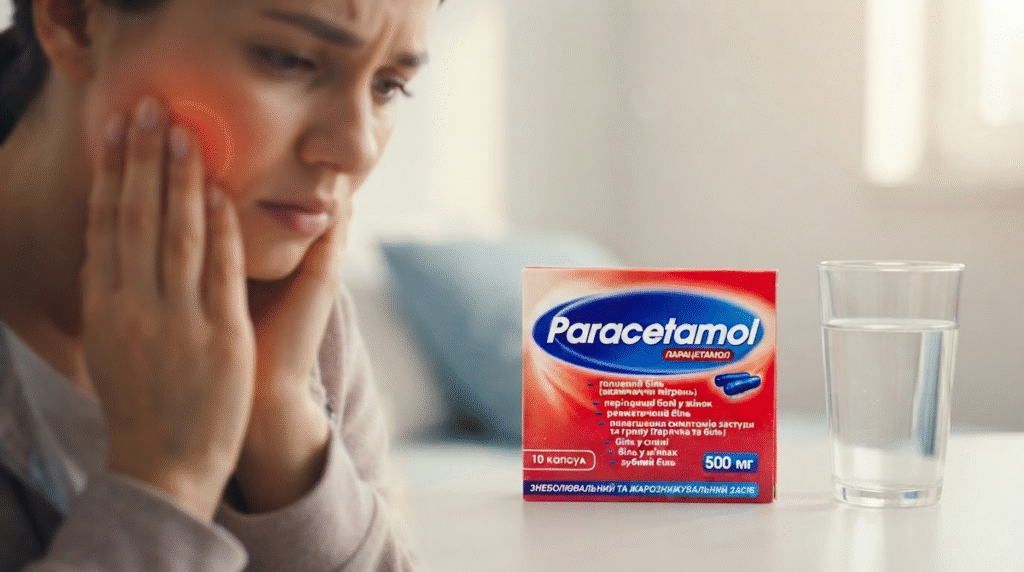
Does Paracetamol Help With Toothache
Yes, paracetamol for toothache can help by temporarily reducing its symptoms. However, it’s important to understand: this medication doesn’t treat the underlying cause of the pain — it only provides symptomatic relief. If we’re talking about whether paracetamol helps with toothache in absolutely every case, then no.
For severe toothache, you need to see a dentist as soon as possible. This is essential if you want to address the root cause early on and avoid complications from various dental issues.
The earlier tooth decay or, for example, gum inflammation is detected, the easier it generally is to preserve tooth health in the long run.
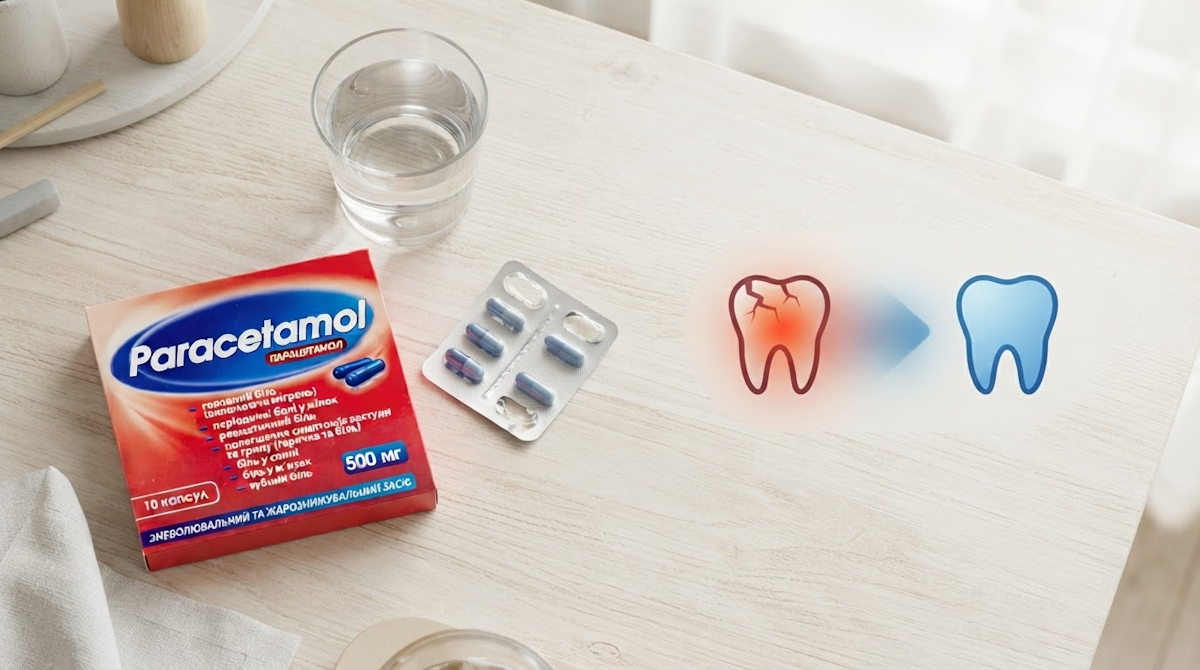
What Paracetamol Helps With and When to Use It
Many people wonder: what does paracetamol help with? Simply put, it’s a pain reliever and fever reducer. In medicine, it’s also called an analgesic, and it’s used to relieve pain and lower temperature. It’s typically used for things like:
- Headaches.
- Toothache (including during teething).
- Muscle and joint pain.
- Menstrual pain.
- Body aches and fever from colds or viral infections.
In dentistry, paracetamol for toothache can indeed ease dull or moderate pain for a while. However, it definitely doesn’t eliminate infection or tooth inflammation. If the pain is caused by tooth decay, pulpitis (inflammation of the tooth nerve), periodontitis (inflammation of the tissues around the root), or other oral health conditions, professional dental treatment is required.
In other words, the key takeaway for patients is this: the medication treats the symptom, not the source of the problem in the tooth or gums!
How Long Until Paracetamol Works and How Long the Effect Lasts
How long it takes for paracetamol to work depends on quite a few factors. In most cases, it starts working within 30-60 minutes of taking the tablet — that’s when the first signs of relief typically appear. Overall, the timing of the drug’s effect is influenced by:
- The form of the medication — tablets, suppositories, suspensions, or syrup.
- How it was taken — on an empty stomach or after eating (in the first case, it may work slightly faster, provided there are no digestive issues).
- The person’s metabolism and overall physical condition.
- The intensity of the pain — for very severe toothache, the effect may feel weaker.
Note that the full pain-relieving effect of paracetamol is usually reached within 1-2 hours. This doesn’t mean the pain will disappear completely — it simply means the drug’s effect peaks around the 1-2 hour mark. The effect can last 4-6 hours, after which it gradually wears off.
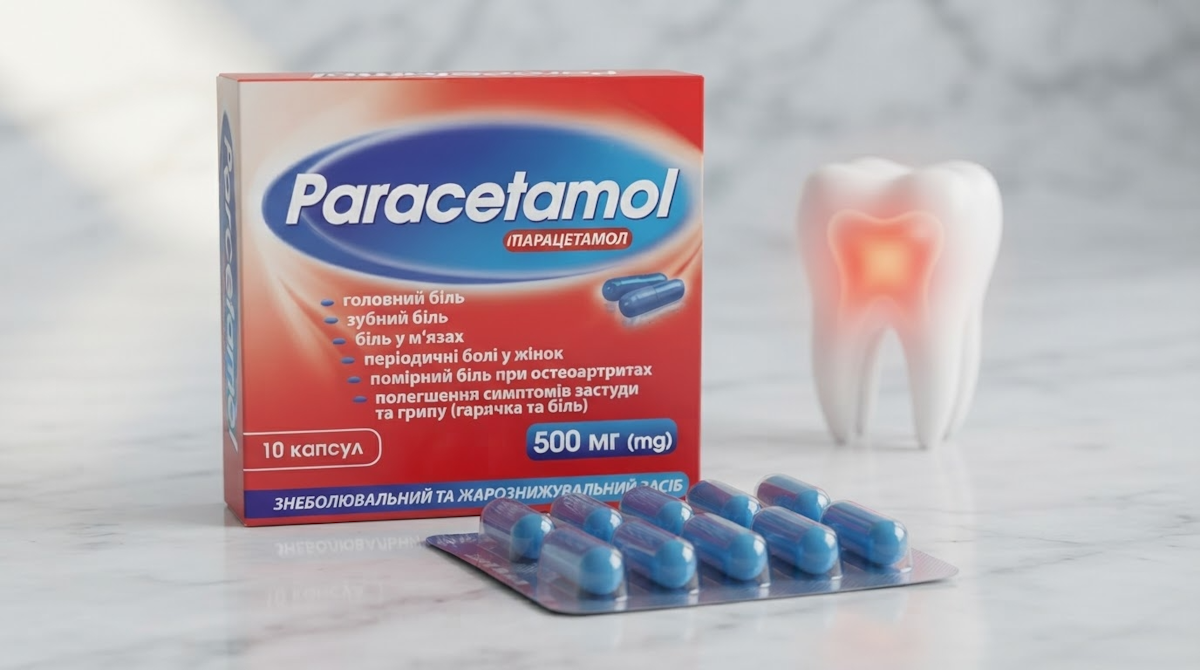
How to Take Paracetamol Correctly for Toothache
To get results that are as safe and effective as possible, it’s important to know how to take paracetamol correctly. So:
- Carefully read the official instructions before use.
- Don’t exceed the recommended single or daily dose.
- Follow the necessary intervals between doses.
- Don’t combine the medication with alcohol.
- Check the ingredients of other medications — they may also contain paracetamol.
- If the pain doesn’t go away or gets worse, don’t try to treat it yourself — see a doctor.
Below is a closer look at dosing for different age groups and life stages.
How Adults Should Take Paracetamol
The key points for how adults should take paracetamol are:
- Take it according to the official instructions and your doctor’s recommendations.
- Single dose — 500 mg (up to 1000 mg if needed, but no more).
- Don’t exceed the maximum allowed daily dose — no more than 4000 mg total.
- Follow the recommended intervals between doses — 4-6 hours.
- Use with caution if you have liver disease or other conditions listed in the instructions.
Can You Give a Child Paracetamol Tablets
This age group requires special care. Parents often ask whether it’s okay to give a child paracetamol tablets, or whether other forms are better. This depends on:
- The child’s age.
- Their body weight.
- The dosage of the medication.
Children are usually given paracetamol as a suspension or suppositories. As with any use in childhood, it’s essential to carefully read the instructions, calculate the correct dose, and, when possible, consult a pediatrician or pediatric dentist, depending on the situation.
Paracetamol During Pregnancy and Breastfeeding
Whether paracetamol is safe during pregnancy or breastfeeding should always be discussed with an OB/GYN — just like taking any painkiller or other medication. The main thing to know about paracetamol during pregnancy or breastfeeding is that it’s prescribed only when truly necessary, at the minimum effective dose. In fact, paracetamol is one of the most well-studied pain relievers used during this stage of a woman’s life.
When prescribing the medication, the doctor takes into account the stage of pregnancy, overall health, and the underlying cause of the pain or inflammation.
When Paracetamol Won’t Help — and Why It’s Only a Temporary Fix
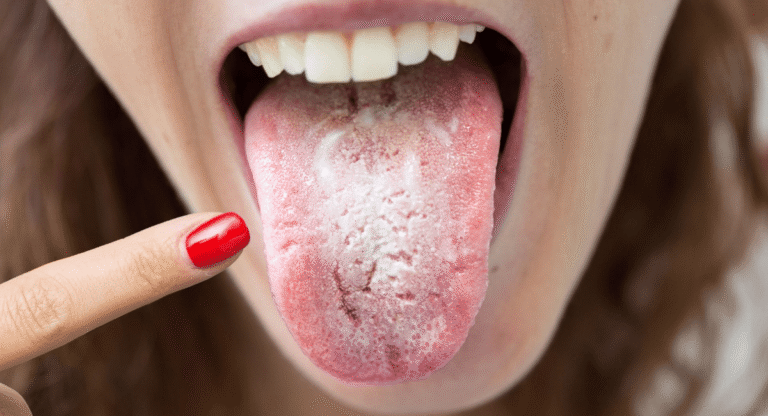
Although paracetamol for toothache can temporarily ease the pain, it doesn’t address the root cause. This is important to keep in mind so you don’t rely on it as a “magic pill.” Toothache, after all, usually requires professional care — at the very least, an exam by a dentist.
So, paracetamol generally won’t help if you have:
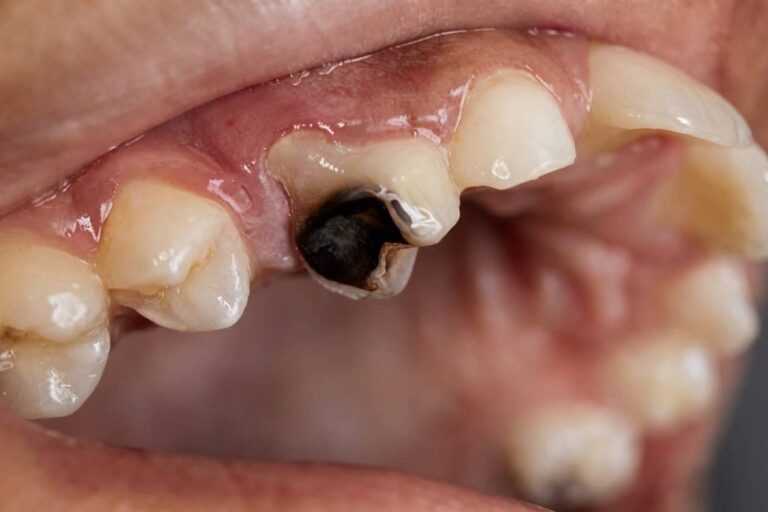
- Deep tooth decay.
- Acute or even throbbing toothache.
- Pulpitis (inflammation of the tooth nerve).
- Periodontitis (inflammation of the tissue around the root).
- An infection, especially one causing a dental abscess.
- Significant gum inflammation.
- Significant gum swelling.
In short: temporary pain relief — yes; resolving the underlying condition — no. If you notice any of the signs above, book a dentist appointment as soon as possible. It’s important to prevent any infection from spreading through the body and to minimize the risk of more serious complications!
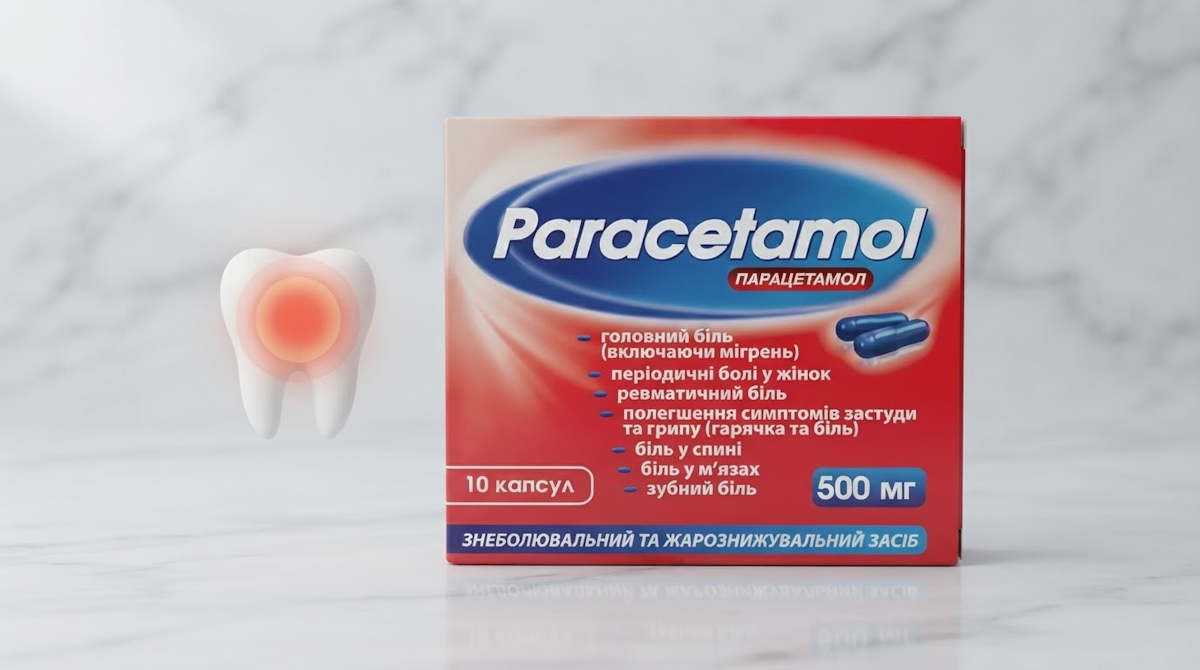
What Else You Can Do at Home Before Seeing a Dentist
If you can’t get to a dentist right away, there are some safe things you can do at home. So, what can you take or do for toothache before your appointment:
- Avoid putting stress on the affected tooth.
- Avoid very hot, cold, sweet, or hard foods.
- Chew on the healthy side of your mouth.
- Rinse with warm water or a saline solution, gently and after meals.
- Apply a cold compress to the outside of the cheek for 10-15 minutes if there’s swelling.
- Maintain oral hygiene overall, but brush gently.
IMPORTANT: These home remedies are not a substitute for professional treatment! We also want to stress: if there’s pain or swelling, do NOT apply heat to the cheek. Also, do NOT take antibiotics or similar medications on your own.
Common Mistakes When Self-Treating a Toothache
It’s important to remember that even the most effective toothache pain relievers don’t treat the tooth itself. And if the cause of the pain isn’t addressed, it will keep coming back — potentially with even more serious complications.
Here’s a reminder of common mistakes people make when self-treating a toothache:
- Exceeding the recommended single or daily dose.
- Taking multiple medications that contain paracetamol at the same time.
- Combining different pain relievers without medical guidance.
- Combining medications with alcohol.
- Taking the medication without carefully reading the instructions and ignoring contraindications.
- Prolonged self-treatment without seeing a dentist.
- Trying to “tough it out” even when the pain has gotten significantly worse.
Caries Treatment
Caries Treatment in KyivWhen You Need to See a Dentist Urgently
There are cases when you truly can’t wait and need to see a dentist right away — even if you’ve taken paracetamol for the toothache and it helped for a while.
So, see a doctor as soon as possible if:
- The pain gets worse or doesn’t go away after taking a pain reliever.
- Swelling appears in the gums, cheek, or face.
- Your body temperature rises.
- You have difficulty swallowing or opening your mouth.
- In addition to pain, you notice pus or a bad taste in your mouth.
- Pain occurs specifically when pressing on the tooth.
- Tooth sensitivity increases and quickly turns into constant pain.
The sooner a doctor identifies the cause, the sooner treatment can begin. This significantly increases the chances of saving the tooth and avoiding complications. And to reduce the overall risk of toothache — maintain good oral hygiene, get regular dental checkups, and always treat tooth decay or other issues promptly!
Questions and Answers (FAQ)
Does paracetamol help with toothache?
Yes, paracetamol does help with toothache. But it only reduces it temporarily. It doesn’t address the underlying cause of the pain.
How long after taking paracetamol does it start working?
After taking it, paracetamol starts working in about 30-60 minutes. Its effect peaks around 1-2 hours after taking the medication.
How should you take paracetamol correctly for toothache?
Paracetamol for toothache should be taken according to its official instructions and appropriate to age. The key thing is not to exceed the recommended single or daily dose.
Can pregnant women take paracetamol?
Yes, pregnant women can take paracetamol, but only if approved by the doctor managing the pregnancy.
Can you give a child paracetamol tablets?
Yes, you can give a child paracetamol tablets. But the dosage must match their age and body weight. In general, such pain relievers should be given to children either as prescribed by a doctor or strictly according to the instructions.
What can you take for toothache if you can’t see a doctor right away?
If you can’t see a doctor right away, you can take almost any pain reliever for toothache. But remember — it doesn’t resolve the underlying cause of the pain. It only provides temporary relief.
When does a toothache require an urgent dental exam?
A toothache requires an urgent dental exam when it gets worse, doesn’t decrease at all after taking a pain reliever, swelling or pus appears, swallowing or speaking becomes difficult, or body temperature rises.
Article author — general dentist Anastasiia Prokopenko



Make an appointment
You can make an appointment by filling out the application form on the website, as well as using instant messengers:
Make an appointment
You can make an appointment by filling out the application form on the website, as well as using instant messengers:


Make an appointment easily using chatbots:
Also, call the numbers:
Modern dentistry and medical centre "MED-DEO"
Choose a clinic whose location is more convenient for you.
Kyiv, Holosiivska/Demiivska metro station
130 Lobanovskoho Avenue


Working hours:
Mon - Sun: 8:00 AM - 9:00 PM
No days off!
Call the numbers:
How to get to us? Create a route
Create a route
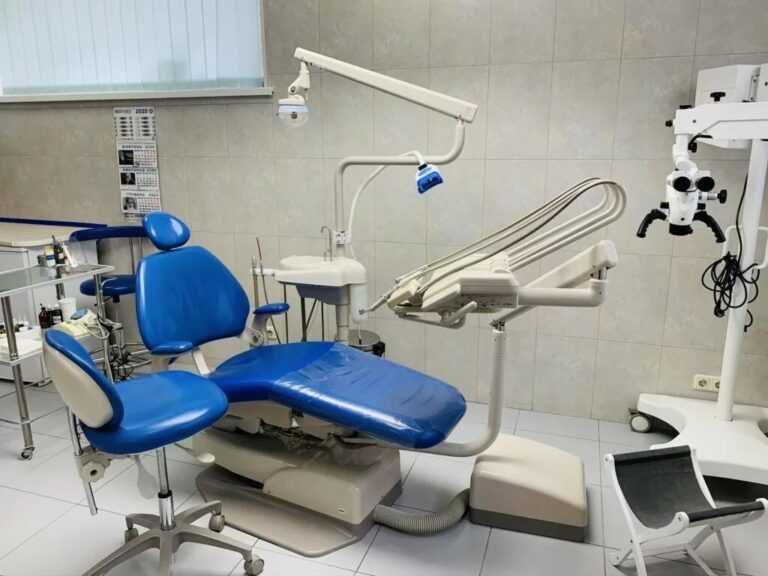
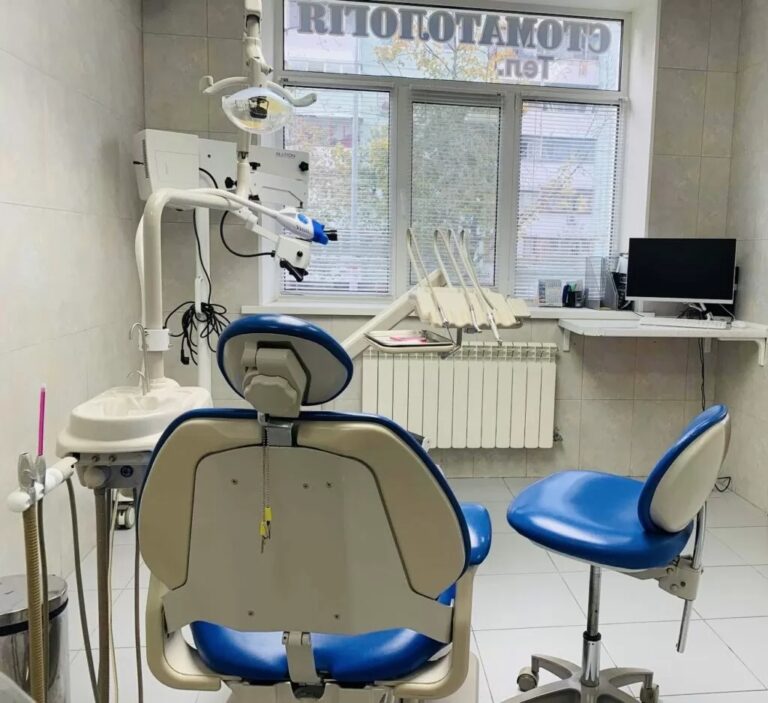
Kyiv, Akademistechko metro station
78A, Irpinska str.


Working hours:
Mon-Sun: 8.00-21.00
Without days off!
Call the numbers:
How to get to us?
Create a route
Create a route
Kyiv, Heroiv Dnipra metro station
32A, Heroiv Dnipra str.
Working hours:
Mon-Sun: 8.00-21.00
Without days off!
Call the numbers:
How to get to us?
Create a route
Create a route
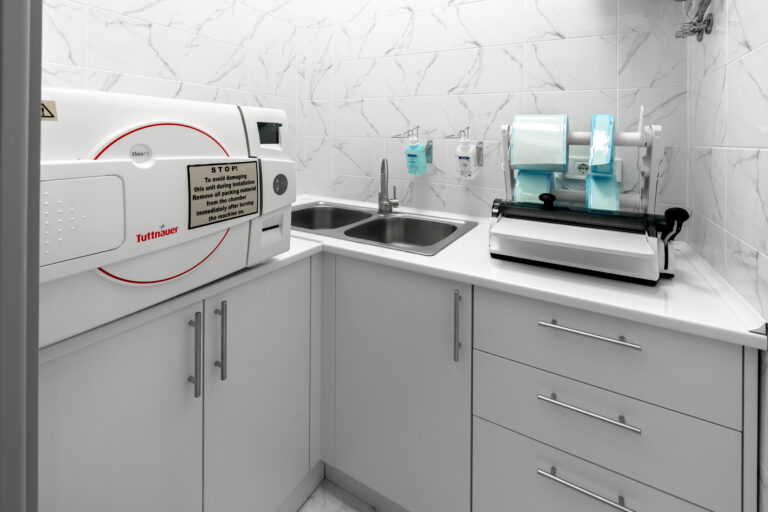
Kyiv, Teatralna metro station
9B, E. Chykalenko (Pushkinska) str.



Working hours:
Mon-Sat: 8.00 - 21.00. Sun: by appointment.
Without days off!
Call the numbers:
How to get to us?
Create a route
Create a route
Відгук від клієнта
0:00
0:00


Your email will not be published on the site.