Special offer! Comprehensive professional teeth cleaning for only 1699 UAH.
Special offer! Comprehensive professional teeth cleaning for only 1699 UAH.
Special offer! Comprehensive professional teeth cleaning for only 1699 UAH.
Special offer! Comprehensive professional teeth cleaning for only 1699 UAH.
Special offer! Comprehensive professional teeth cleaning for only 1699 UAH.
Special offer! Comprehensive professional teeth cleaning for only 1699 UAH.
Special offer! Comprehensive professional teeth cleaning for only 1699 UAH.
Special offer! Comprehensive professional teeth cleaning for only 1699 UAH.
Special offer! Comprehensive professional teeth cleaning for only 1699 UAH.
Special offer! Comprehensive professional teeth cleaning for only 1699 UAH.
Sign up
 (044) 394 90 94
(044) 394 90 94  Holosiivska/Demiivska metro station
Sign up
(044) 394 90 94
(044) 394 90 94
Doctors


 Prices
Blog
Contacts
Prices
Blog
Contacts
пр.Лобановського, 130, Київ, Україна
Temporarily closed
Opening soon
78A, Irpinska St., Kyiv, Ukraine
Temporarily closed
Opening soon
32A, Heroiv Dnipra St., Kyiv, Ukraine
Temporarily closed
Opening soon
9B, Yevhena Chykalenko St. (Pushkinska), Kyiv, Ukraine
Temporarily closed
Opening soon
(044) 394 90 94
Back
Dentistry
General Dentistry
Dental surgery
Dental Implants
Maxillofacial Surgery
Dental prosthetics
Cosmetic dentistry

Professional Dental Hygiene

Periodontics
Orthodontic dentistry

Gnathology & TMJ Therapy

Pediatric Dentistry
Dental X-Rays
Back
Orthodontic Center
Orthodontic dentistry
Gnathology & TMJ Therapy
Back
Prosthodontic Center
Dental prosthetics
Back
MED-DEO Center for Maxillofacial Surgery & Facial Plastics
Maxillofacial Surgery
Plastic surgery
Back
Surgical Dental Center
Dental surgery
Dental Implants
Search on the site


Popular requests
Teeth whitening
Treatment of caries
Wisdom tooth extraction
Bracket system
Dental veneers
Tooth restoration
Pediatric dentist
Consultation with a dentist-therapist
Search results by: «».
Unfortunately, no results were found for your search: “Pediatric Endocrinologist”, nothing was found.
You may find these links useful:
Clinics "MED-DEO"
пр.Лобановського, 130, Київ, Україна
Temporarily closed
Opening soon
78A, Irpinska St., Kyiv, Ukraine
Temporarily closed
Opening soon
32A, Heroiv Dnipra St., Kyiv, Ukraine
Temporarily closed
Opening soon
9B, Yevhena Chykalenko St. (Pushkinska), Kyiv, Ukraine
Temporarily closed
Opening soon
Services
Dentistry Orthodontic Center Prosthodontic Center MED-DEO Center for Maxillofacial Surgery & Facial Plastics Surgical Dental CenterGeneral Dentistry
Dental surgery
Dental Implants
Maxillofacial Surgery
Dental prosthetics
Cosmetic dentistry
Professional Dental Hygiene
Periodontics
Orthodontic dentistry
Gnathology & TMJ Therapy
Pediatric Dentistry
Dental X-Rays
Orthodontic dentistry
Gnathology & TMJ Therapy
Dental prosthetics
Maxillofacial Surgery
Dental surgery
Dental Implants
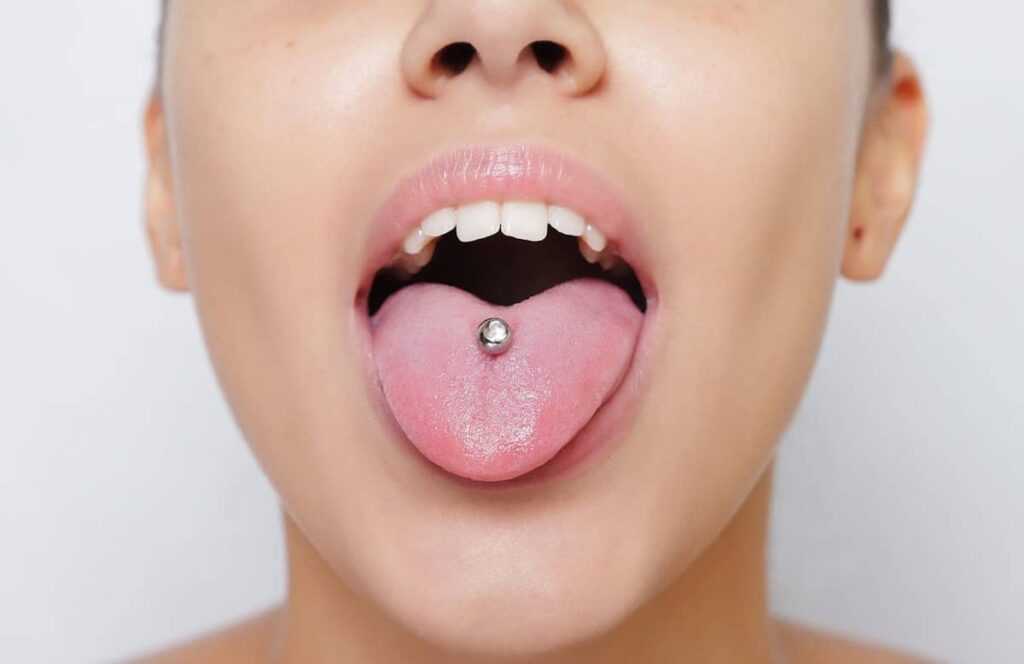

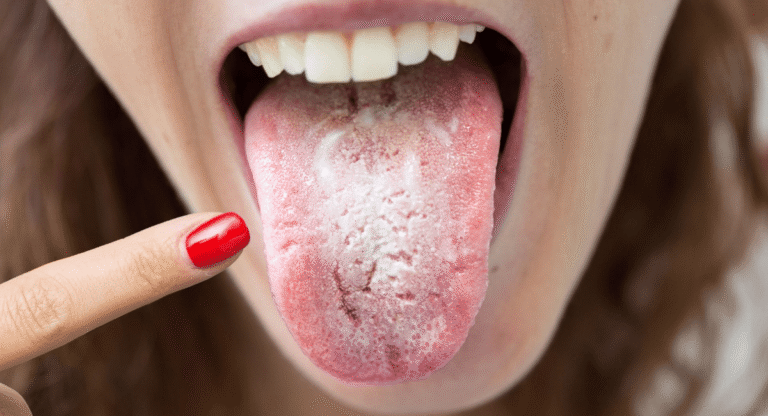
A tongue piercing might seem like just another piece of body jewelry, but dentists know it as a serious risk factor for teeth and gums. The metal barbell constantly makes contact with enamel, rubs against gums, and can trigger microcracks, chips, and inflammation. Because of this, people with tongue piercings are more prone to sensitivity, gum recession, and even oral infections.
What Is Tongue Piercing and How Is It Done?
Tongue piercing involves puncturing the soft tissue in the center of the tongue and inserting a metal piece of jewelry. A piercer uses a sterile, single-use needle and positions the barbell so it doesn’t interfere with tongue movement or compress blood vessels. The procedure itself takes just a few minutes, but it requires precise technique and sterility—after all, your mouth is teeming with bacteria.
After the piercing comes the healing phase. Normally, this takes anywhere from 4 to 8 weeks: you’ll experience swelling and heightened sensitivity at first, then gradually the tissue firms up and the wound closes. During this time, it’s crucial to avoid mechanical irritation, maintain good hygiene, and resist the urge to swap out the jewelry yourself.
Once the wound has fully healed and you’re back to your normal routine, that’s when the long-term impact of the piercing on your teeth, gums, and oral mucosa kicks in. And that’s what causes most of the dental problems we’ll dive into next.
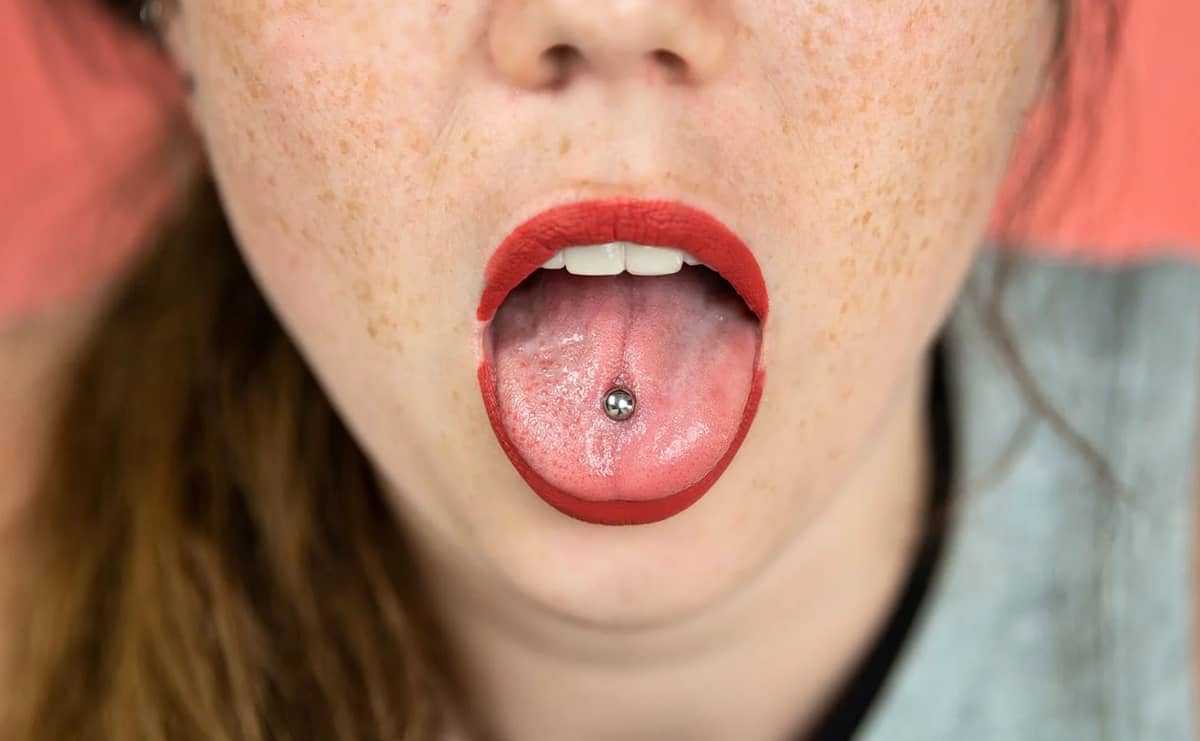
Why Tongue Piercings Are Bad News for Your Teeth: The Dental Perspective
Dentists rank tongue piercings among the riskiest oral jewelry you can get. The reason? That metal or acrylic barbell is constantly on the move with your tongue, making contact with your teeth. These little taps might seem harmless, but they happen hundreds of times every single day.
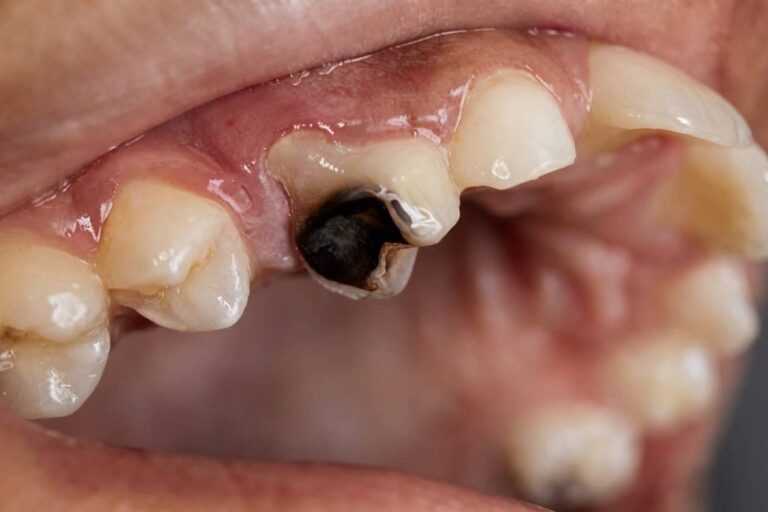
So what’s the damage from a tongue piercing? Even gentle, repeated impacts create micro-damage to your enamel. Over time, these add up and progress into cracks, chips, and increased sensitivity. Your front teeth take the brunt of it—they’re the ones that collide with the barbell most often.
Research backs this up. The European Federation of Periodontology (EFP) notes that long-term piercing wear is frequently accompanied by enamel wear and gum recession. A study from the University at Buffalo showed that tongue piercings can actually create a gap between your front teeth. This happens because of the constant pressure and movement of the jewelry, which gradually pushes the teeth apart. In the same study, dentists observed that after several years of wear, the majority of patients had developed cracks or chips in their enamel.
The tongue piercing pros and cons: pros include aesthetics, self-expression, and relatively quick healing; cons include risk of tooth damage, gum recession, infections, bleeding, speech problems, and metal allergies.
Chips and Cracks in Your Enamel
Chips and cracks in the enamel are hands-down the most common consequence of tongue piercings. The damage mechanism is straightforward: the barbell or its balls repeatedly strike your enamel while you’re talking, swallowing, chewing, or even unconsciously “clicking” the jewelry. At first, these impacts create microcracks. Over time, the micro-damage expands, and within a few years, you can see actual chips.
Your lower front incisors usually bear the brunt—they’re closest to the jewelry and first in the line of fire. The progression typically looks like this:
First few months to 1 year: Microcracks aren’t visible from the outside, but the enamel is already weakening.
1–2 years: Sensitivity to cold, hot, and acidic foods develops.
3–4 years: Visible cracks and chips appear, requiring dental intervention.
The fallout from this kind of damage is serious too: sensitivity increases, cavity risk goes up due to compromised enamel integrity, and sometimes you need restoration work or even partial tooth replacement.
Diastema: Gaps Between Your Front Teeth
A diastema is one of the sneakiest and most common changes that can result from a tongue piercing. At first glance, it might seem like the barbell is just “sitting in your mouth,” but in reality, many people unconsciously keep nudging their front teeth with it. This could be a light push, pressure, or a habit of playing with the jewelry while talking or when stressed.
Each of these movements creates micro-pressure on your front incisors. Over time, it accumulates, and your teeth slowly start to drift apart. The process happens gradually, without pain and without obvious warning signs, so people usually only notice the problem once the gap is clearly visible. The worst part? This process virtually never stops on its own. If your teeth have already separated, they won’t go back together without orthodontic correction. Why diastema is a problem:
- Compromised smile aesthetics
- Altered bite and uneven stress on teeth
- Increased risk of enamel wear
- Potential speech issues
- Need for orthodontic treatment: braces or aligners
Many people don’t connect the appearance of a gap with their piercing, but this mechanism has been confirmed by clinical observations. As mentioned above, the University at Buffalo study showed that oral piercings can cause exactly this type of separation in front teeth, since the jewelry constantly creates uncontrolled pressure.
A diastema isn’t just a cosmetic flaw—it’s a structural change to your bite that requires treatment. And if you have a habit of moving the barbell around, the risk of developing one is sky-high.
Gum Recession and Periodontal Problems
Tongue piercings affect teeth worse than you might imagine. The constant contact of the barbell with the inner surface of your front teeth creates microtrauma, causing your gums to start pulling back. At first, it looks like mild irritation, but over time it turns into gum recession—the gum line retreats and exposes your tooth roots.
An exposed root is extremely sensitive to temperature, easily attacked by plaque, and deteriorates faster than enamel. That’s why people with recession often notice discomfort with hot or cold foods, as well as pain during brushing.
Research from the European Federation of Periodontology (EFP) shows that tongue piercing wearers are more likely to develop deep periodontal pockets—the space between the tooth and gums where bacteria accumulate. If the barbell keeps applying pressure for years, it can lead to destruction of the alveolar bone, causing teeth to loosen. In severe cases, the risk of tooth loss becomes very real.
Bleeding gums are another common sign that the tissue is already inflamed. All these manifestations point to periodontitis, a serious condition requiring professional treatment.
Does tongue piercing ruin your teeth? It can cause gum recession, inflammation, and gradual destruction of the tissues holding your teeth in place. This is a process that happens quietly and slowly, but its consequences are significant. That’s why it’s important to keep a close eye on your gum health and see your dentist regularly if you have this type of piercing or are planning to get one.
Other Complications from Tongue Piercings
Tongue piercings can cause more than just tooth or gum damage—there are other unpleasant consequences too.
After piercing, you have an open wound in your mouth that’s constantly exposed to bacteria. If care is inadequate, the site quickly becomes inflamed: swelling, redness, throbbing pain, bad breath, or even pus can develop. In severe cases, infection can spread deeper into the tissues and trigger an abscess requiring urgent medical attention.
There are other consequences of tongue piercing as well. Important blood vessels and salivary gland ducts run beneath your tongue, so an unsuccessful or too-deep piercing can damage them. This shows up as heavy bleeding, persistent dry mouth, burning sensations, and even difficulty chewing. Reduced saliva production increases cavity risk, since your teeth’s natural protection is weakened.
In the first few weeks after the procedure, tongue swelling can affect your speech, articulation, chewing, and swallowing. Some people develop a lisp or constantly bite down on the barbell, which only amplifies tooth microtrauma. You also need to consider potential allergic reactions if the jewelry is made from low-quality metal: rashes, burning, or irritated mucosa aren’t uncommon.
Is tongue piercing worth it? A tongue piercing isn’t just jewelry—it’s an intervention requiring an informed decision and careful aftercare. Understanding the risks and promptly seeing a dentist or doctor at the first sign of complications will help preserve your oral health.
What the Research Says About Tongue Piercings
Science sends clear signals that tongue piercings are linked to a range of dental risks. Here are the key findings from recent studies:
The literature review “Impact of Tongue Piercings on Oral Health: A Narrative Literature Review” (2025) concludes that tongue piercings have complications and can lead to tooth chips, enamel wear, gum recession, soft tissue lesions, as well as local and systemic infections.
A meta-systematic review “Do oral piercings cause problems in the mouth?” (2022) analyzing 54 studies found that having an oral piercing is associated with significantly higher risk of tooth fractures and gum recession—roughly 34% and 33% of cases, respectively.
The systematic review “Impact of oral piercings on periodontal health — A systematic review” (2023) analyzed several studies on pierced patients: results showed that teeth adjacent to the jewelry more frequently exhibited increased periodontal pocket depth (PPD), clinical attachment loss (CAL), gum recession, and bleeding on probing (BOP).
The study “Effect of tongue piercing on periodontal and peri-implant health: A cross-sectional case‑control study in adults” (2021) compared people with and without piercings: it turned out that wearing a tongue piercing is associated with worse peri-implant and periodontal tissue indicators, especially in the anterior segment of the lower jaw.
Comparing Tongue, Lip, and Smiley Piercings: Which Is Worse?
Oral piercings might look stylish, but each type carries its own level of risk for teeth and gums. Dentists consider tongue piercings the most dangerous. The metal barbell is constantly moving, touching teeth and gums, striking enamel during speech or even at rest. Over time, this leads to chips, microcracks, diastema, and gum recession. Healing takes 4–8 weeks, and in the early days, speech is often affected due to tongue swelling.
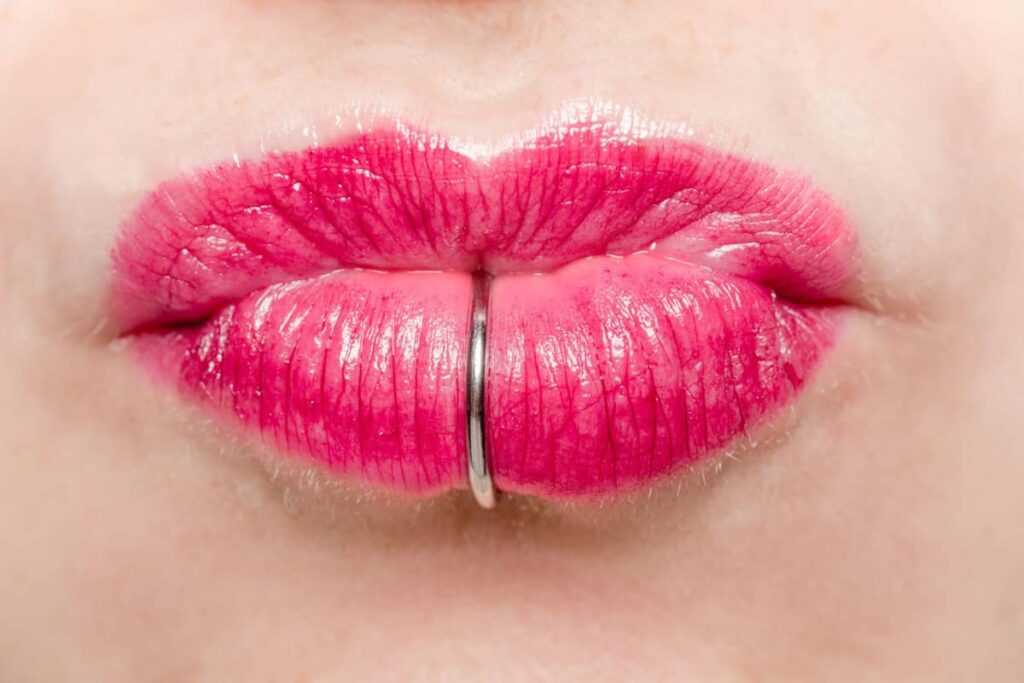
Lip piercings can’t be called safe either. The jewelry constantly touches the front teeth and gums from the outside, which is why recession in this area happens very frequently. Dentists regularly see enamel wear and root exposure specifically in people with this type of piercing. The healing process takes 6–8 weeks and usually doesn’t much affect speech, but the risk to gums remains high.
Smiley piercings also harm teeth. They go through the upper frenulum, which is very thin and sensitive. The jewelry can rub tissues, cause microtrauma, and lead to gum recession around the upper incisors. Because of active lip movements, infections here occur more often than wearers expect, and healing lasts 4–6 weeks.
Bottom line: every oral piercing has its risks, but tongue piercings create the most problems due to constant jewelry contact with teeth and gums. If you do decide to get one, it’s important to weigh all the risks, choose quality jewelry, and see your dentist regularly.
How to Care for a Tongue Piercing: Advice from Dentists
If you’ve already gotten a tongue piercing or are planning to, it’s important to prioritize proper care right away. This will help reduce risks to your teeth, gums, and overall oral health. Here are the recommendations dentists consider essential:
1. Hygiene is everything. Rinse your mouth with antiseptic after eating and brush your teeth with a soft brush twice daily. This reduces infection risk during the healing period.
2. Don’t play with or bite the barbell. Any manipulation of the jewelry is the leading cause of cracks, chips, and diastema formation. Try not to touch the piercing with your tongue or teeth at all.
3. Choose quality materials. For the first few months, titanium or surgical steel work best. They don’t oxidize and are less irritating to tissues.
4. Go easy during healing. Avoid hard foods, spicy and hot dishes. This helps reduce swelling and prevents wound trauma.
5. Monitor the wound’s condition. If severe swelling, pus, fever, or sharp pain appears—these are signs of infection, and you need to see a doctor immediately.
6. Switch to a shorter barbell after healing. A shorter piece of jewelry hits your teeth less often and reduces the risk of enamel damage.
7. Get regular dental checkups. Every six months, minimum. Your dentist will spot early changes: gum recession, microcracks, or the start of inflammation.
Caring for a tongue piercing doesn’t make it completely safe, but it substantially reduces the risks. If you wear this type of jewelry, it’s important to monitor your oral cavity and respond to any changes promptly.
Author: Dr. Natalia Shmarchuk, DDS — Pediatric Dentist, Orthodontist, and General Dentist



Make an appointment
You can make an appointment by filling out the application form on the website, as well as using instant messengers:
Make an appointment
You can make an appointment by filling out the application form on the website, as well as using instant messengers:


Make an appointment easily using chatbots:
Also, call the numbers:
Modern dentistry and medical centre "MED-DEO"
Choose a clinic whose location is more convenient for you.
Kyiv, Holosiivska/Demiivska metro station
130 Lobanovskoho Avenue


Working hours:
Mon - Sun: 8:00 AM - 9:00 PM
No days off!
Call the numbers:
How to get to us? Create a route
Create a route
Kyiv, Akademistechko metro station
78A, Irpinska str.


Working hours:
Mon-Sun: 8.00-21.00
Without days off!
Call the numbers:
How to get to us?
Create a route
Create a route
Kyiv, Heroiv Dnipra metro station
32A, Heroiv Dnipra str.
Working hours:
Mon-Sun: 8.00-21.00
Without days off!
Call the numbers:
How to get to us?
Create a route
Create a route
Kyiv, Teatralna metro station
9B, E. Chykalenko (Pushkinska) str.




Working hours:
Mon-Sat: 8.00 - 21.00. Sun: by appointment.
Without days off!
Call the numbers:
How to get to us?
Create a route
Create a route
Відгук від клієнта
0:00
0:00


Your email will not be published on the site.