Special offer! Comprehensive professional teeth cleaning for only 1699 UAH.
Special offer! Comprehensive professional teeth cleaning for only 1699 UAH.
Special offer! Comprehensive professional teeth cleaning for only 1699 UAH.
Special offer! Comprehensive professional teeth cleaning for only 1699 UAH.
Special offer! Comprehensive professional teeth cleaning for only 1699 UAH.
Special offer! Comprehensive professional teeth cleaning for only 1699 UAH.
Special offer! Comprehensive professional teeth cleaning for only 1699 UAH.
Special offer! Comprehensive professional teeth cleaning for only 1699 UAH.
Special offer! Comprehensive professional teeth cleaning for only 1699 UAH.
Special offer! Comprehensive professional teeth cleaning for only 1699 UAH.
Sign up
 (044) 394 90 94
(044) 394 90 94  Holosiivska/Demiivska metro station
Sign up
(044) 394 90 94
(044) 394 90 94
Doctors


 Prices
Blog
Contacts
Prices
Blog
Contacts
пр.Лобановського, 130, Київ, Україна
Temporarily closed
Opening soon
78A, Irpinska St., Kyiv, Ukraine
Temporarily closed
Opening soon
32A, Heroiv Dnipra St., Kyiv, Ukraine
Temporarily closed
Opening soon
9B, Yevhena Chykalenko St. (Pushkinska), Kyiv, Ukraine
Temporarily closed
Opening soon
(044) 394 90 94
Back
Dentistry
General Dentistry
Dental surgery
Dental Implants
Maxillofacial Surgery
Dental prosthetics
Cosmetic dentistry

Professional Dental Hygiene

Periodontics
Orthodontic dentistry

Gnathology & TMJ Therapy
Pediatric Dentistry

Dental X-Rays
Back
Orthodontic Center
Orthodontic dentistry
Gnathology & TMJ Therapy
Back
Prosthodontic Center
Dental prosthetics
Back
MED-DEO Center for Maxillofacial Surgery & Facial Plastics
Maxillofacial Surgery
Plastic surgery
Back
Surgical Dental Center
Dental surgery
Dental Implants
Search on the site


Popular requests
Teeth whitening
Treatment of caries
Wisdom tooth extraction
Bracket system
Dental veneers
Tooth restoration
Pediatric dentist
Consultation with a dentist-therapist
Search results by: «».
Unfortunately, no results were found for your search: “Pediatric Endocrinologist”, nothing was found.
You may find these links useful:
Clinics "MED-DEO"
пр.Лобановського, 130, Київ, Україна
Temporarily closed
Opening soon
78A, Irpinska St., Kyiv, Ukraine
Temporarily closed
Opening soon
32A, Heroiv Dnipra St., Kyiv, Ukraine
Temporarily closed
Opening soon
9B, Yevhena Chykalenko St. (Pushkinska), Kyiv, Ukraine
Temporarily closed
Opening soon
Services
Dentistry Orthodontic Center Prosthodontic Center MED-DEO Center for Maxillofacial Surgery & Facial Plastics Surgical Dental CenterGeneral Dentistry
Dental surgery
Dental Implants
Maxillofacial Surgery
Dental prosthetics
Cosmetic dentistry
Professional Dental Hygiene
Periodontics
Orthodontic dentistry
Gnathology & TMJ Therapy
Pediatric Dentistry
Dental X-Rays
Orthodontic dentistry
Gnathology & TMJ Therapy
Dental prosthetics
Maxillofacial Surgery
Dental surgery
Dental Implants
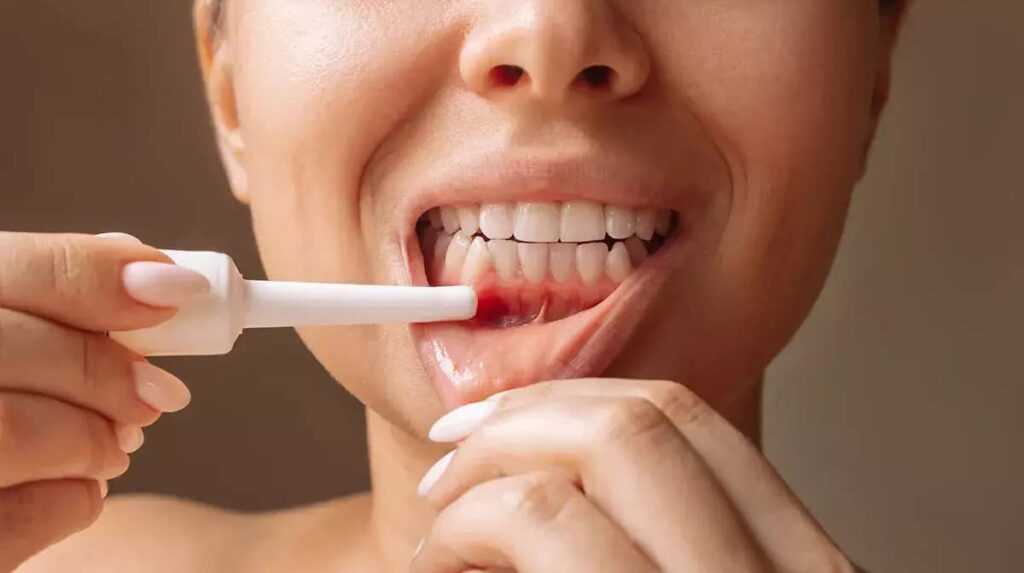

Stomatitis is a miserable condition. Your mouth hurts, eating is difficult, drinking is uncomfortable, and even talking becomes a challenge. All you want is something that will quickly ease the pain and heal those agonizing ulcers. But pharmacy shelves are packed with ointments, gels, rinses, and sprays – making it genuinely hard to figure out what actually works. This article brings together the most effective treatments for stomatitis – ones that have been proven in practice and truly deliver results.
For more information about what stomatitis is, visit: https://med-deo.com.ua/en/blog/stomatology/stomatyt/
What Types of Stomatitis Treatments Are Available?
What treatment options exist for stomatitis? Treating it effectively requires choosing the right approach – because there’s no single universal remedy that works for everyone in every situation. It all depends on the specific type: stomatitis can be caused by viruses, bacteria, fungi, allergies, or even physical trauma (such as accidentally biting the inside of your cheek or wearing braces). That’s why treatment always needs to be tailored to the individual.
In most cases, therapy involves several key directions. First, you need to address the pain and discomfort – that’s where numbing gels or sprays come in. Second, it’s essential to reduce inflammation and eliminate the root cause – depending on what’s behind the outbreak, this means using antiseptics, antimicrobial, antiviral, or antifungal medications. And then there are products that speed up tissue healing, helping the mucous membrane recover and reducing the risk of the condition recurring.
All of these treatments can be used on their own or in combination. For instance, a mild case of traumatic stomatitis may only require an antiseptic rinse and a healing gel. Viral stomatitis, on the other hand, often calls for additional antiviral therapy. Self-medicating in these situations can be ineffective – or even harmful – so if symptoms appear, it’s best to see a dentist. A specialist will identify the underlying cause and recommend the most appropriate treatment.
Topical vs. Systemic Medications for Stomatitis
Which is the better choice for treating mouth sores in adults – topical or systemic medications? When it comes to stomatitis treatment, topical products are most commonly used – meaning those applied directly to the oral mucosa. These include rinses, gels, ointments, and sprays. They help reduce inflammation, relieve pain, and promote healing. In many cases, this approach is entirely sufficient, especially when the stomatitis is mild and not accompanied by fever or general malaise.
However, there are situations where topical treatments simply aren’t enough. For example, if there are multiple lesions in the mouth, a fever is present, or the underlying cause is a virus or fungal infection, a doctor may prescribe systemic medications – tablets or capsules that work throughout the entire body. These may include antivirals, antifungals, or antibacterials, and sometimes immune-support supplements as well.
Whether topical medications, systemic ones, or a combination of both are needed depends entirely on the individual situation. This is difficult to determine on your own, which is exactly why consulting a dentist is the best course of action. The right treatment plan will get you better faster and help prevent complications.
Dental consultation
MoreRinses and Tablets for Stomatitis
Which is the best treatment option – a rinse solution or tablets? Special rinses help cleanse the oral mucosa of bacteria and food debris, reduce inflammation, and provide some pain relief. There are several options available: over-the-counter antiseptics like chlorhexidine or miramistin, as well as natural herbal rinses – chamomile, sage, and oak bark. Rinsing several times a day is best, particularly after meals, to avoid further irritating the affected areas.
For more severe or persistent cases, a doctor may prescribe tablets. These might be antiviral or antifungal medications, or dissolvable lozenges with mild numbing and antiseptic properties. They help clear up the infection more quickly and reduce discomfort.
In most cases, rinse solutions and tablets are used together – this combination approach tends to be more effective overall. That said, it’s important not to self-medicate; a dentist will be able to advise you on exactly what’s right for your specific situation.
Ointments for Stomatitis in Adults: What Works Best
What is the most effective ointment for treating stomatitis? For adults, there are several solid options. Ointments containing dexpanthenol are excellent for soothing irritation and speeding up the regeneration of the oral mucosa. Antiseptic ointments with chlorhexidine or miramistin help clean the sores and protect them from infection. If the pain is particularly severe, lidocaine-based ointments can provide relief within just a few minutes.
When stomatitis is caused by a virus, acyclovir-based ointments are commonly prescribed. For fungal infections, clotrimazole or nystatin ointments are the appropriate choice.
For an ointment to truly work, it needs to be applied correctly. Always wash your hands thoroughly before application – this is crucial to avoid introducing additional bacteria. Then rinse your mouth well with warm water or an antiseptic solution to cleanse the mucosa.
Apply the ointment carefully, using a thin layer only on the areas with ulcers or inflammation. Try to avoid spreading it onto healthy tissue, as this can cause unnecessary irritation. After applying, it’s best to avoid eating or drinking for at least thirty minutes so the ointment has time to take effect.
Ointments are generally applied several times a day – follow your doctor’s recommendations or the instructions on the packaging. When done correctly, the pain should subside quickly and the sores will begin to heal.
Ointments for Stomatitis in Children: Safe and Effective Options
How should stomatitis in children be treated? For younger patients, ointments containing mild, gentle ingredients are often recommended – dexpanthenol being a prime example. It quickly soothes inflammation and supports rapid recovery of the mucous membrane. Products containing sea buckthorn oil or chamomile are also well regarded for their anti-inflammatory and calming effects.
Professional Teeth Cleaning for Children
Children’s Teeth Cleaning in KyivStrong antiseptics or numbing ointments, however, should not be used without a doctor’s recommendation – they can trigger allergic reactions or cause irritation. If the stomatitis is viral or fungal in origin, a doctor will select appropriate products specifically formulated for children.
The ointment should be applied carefully, in a thin layer over the affected areas, following the product instructions. When used correctly, the child should feel relief relatively quickly, and the sores will heal within a short time.
When a young child develops painful mouth sores, it’s always a distressing experience for parents. Treating stomatitis in children requires extra caution – their mucous membranes are delicate, and not all medications are appropriate for them. This is why it’s so important to choose children’s stomatitis remedies that will not only promote fast healing but are also genuinely safe to use.
So which medications are the right choice? In truth, it all comes down to what caused the stomatitis in the first place. If the child simply bit their cheek or scraped the inside of their mouth with hard food, a simple rinse and a healing ointment may be all that’s needed. Products containing dexpanthenol, chlorhexidine, or plant-based ingredients – chamomile, sage, oak bark – work well in these cases, reducing inflammation and helping the sore close up faster.
But if there are multiple painful ulcers, the child has a fever, or they seem generally unwell, the underlying cause may be more serious. Herpetic stomatitis, for example, is viral in nature – and simple gels won’t cut it. Antiviral medications are required, sometimes in tablet form. Fungal stomatitis is another possibility, which tends to appear after antibiotic use or when the immune system is weakened. In those cases, antifungal treatments are necessary.
There are also allergic forms of stomatitis, and cases linked to gastrointestinal conditions – these require an entirely different treatment approach, focusing on identifying the root cause within the body.
Here’s a brief overview of commonly prescribed treatments:
- Rinses: chlorhexidine, miramistin, diluted hydrogen peroxide (diluted only!), chamomile, oak bark
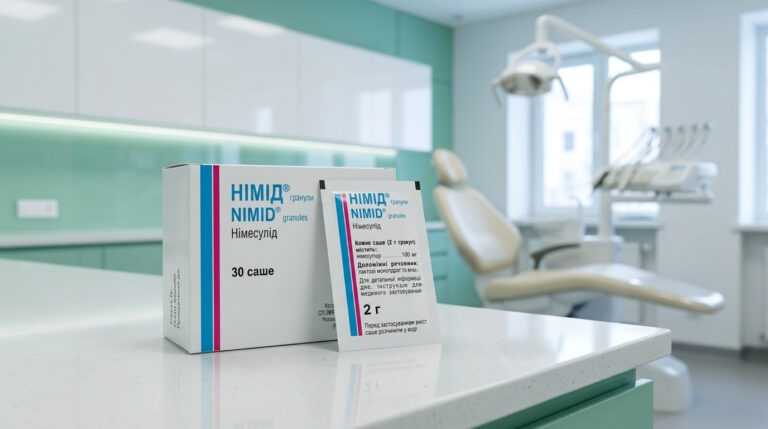
- Gels/ointments: Solcoseryl, Cholisal, Metrogyl Denta, Bepanten
- Antivirals: Acyclovir, Zovirax
- Antifungals: Nystatin, Clotrimazole
- For children: Bepanten, sea buckthorn oil, chamomile, Bebidenta gel
Above all, however, the most important thing is not to self-medicate. Stomatitis may seem like a minor inconvenience, but similar symptoms can stem from very different causes: viruses, fungi, physical trauma, allergies, or even broader systemic health issues. Treating the wrong thing won’t just fail to help – it can actually make the situation worse.
If mouth sores don’t clear up after a few days, are getting more painful, are accompanied by fever, or you’re simply unsure whether what you’re dealing with is stomatitis – don’t wait. See a doctor. A dentist, or a pediatrician in the case of a child, will quickly get to the bottom of what’s causing it and prescribe the best treatment for your specific situation.
Because when the treatment is right, everything changes within just a few days: the pain fades, the sores heal, and you can eat, drink, and smile again without wincing. Life returns to normal – and that’s exactly what everyone wants, as soon as possible.
Article written by prosthodontist, restorative dentist, and oral surgeon Oksana Terentyeva

Make an appointment
You can make an appointment by filling out the application form on the website, as well as using instant messengers:
Make an appointment
You can make an appointment by filling out the application form on the website, as well as using instant messengers:


Make an appointment easily using chatbots:
Also, call the numbers:
Modern dentistry and medical centre "MED-DEO"
Choose a clinic whose location is more convenient for you.
Kyiv, Holosiivska/Demiivska metro station
130 Lobanovskoho Avenue


Working hours:
Mon - Sun: 8:00 AM - 9:00 PM
No days off!
Call the numbers:
How to get to us? Create a route
Create a route
Kyiv, Akademistechko metro station
78A, Irpinska str.


Working hours:
Mon-Sun: 8.00-21.00
Without days off!
Call the numbers:
How to get to us?
Create a route
Create a route
Kyiv, Heroiv Dnipra metro station
32A, Heroiv Dnipra str.
Working hours:
Mon-Sun: 8.00-21.00
Without days off!
Call the numbers:
How to get to us?
Create a route
Create a route
Kyiv, Teatralna metro station
9B, E. Chykalenko (Pushkinska) str.




Working hours:
Mon-Sat: 8.00 - 21.00. Sun: by appointment.
Without days off!
Call the numbers:
How to get to us?
Create a route
Create a route
Відгук від клієнта
0:00
0:00


Your email will not be published on the site.