Special offer! Comprehensive professional teeth cleaning for only 1699 UAH.
Special offer! Comprehensive professional teeth cleaning for only 1699 UAH.
Special offer! Comprehensive professional teeth cleaning for only 1699 UAH.
Special offer! Comprehensive professional teeth cleaning for only 1699 UAH.
Special offer! Comprehensive professional teeth cleaning for only 1699 UAH.
Special offer! Comprehensive professional teeth cleaning for only 1699 UAH.
Special offer! Comprehensive professional teeth cleaning for only 1699 UAH.
Special offer! Comprehensive professional teeth cleaning for only 1699 UAH.
Special offer! Comprehensive professional teeth cleaning for only 1699 UAH.
Special offer! Comprehensive professional teeth cleaning for only 1699 UAH.
Sign up
 (044) 394 90 94
(044) 394 90 94  Holosiivska/Demiivska metro station
Sign up
(044) 394 90 94
(044) 394 90 94
Doctors


 Prices
Blog
Contacts
Prices
Blog
Contacts
пр.Лобановського, 130, Київ, Україна
Temporarily closed
Opening soon
78A, Irpinska St., Kyiv, Ukraine
Temporarily closed
Opening soon
32A, Heroiv Dnipra St., Kyiv, Ukraine
Temporarily closed
Opening soon
9B, Yevhena Chykalenko St. (Pushkinska), Kyiv, Ukraine
Temporarily closed
Opening soon
(044) 394 90 94
Back
Dentistry
General Dentistry
Dental surgery
Dental Implants
Maxillofacial Surgery
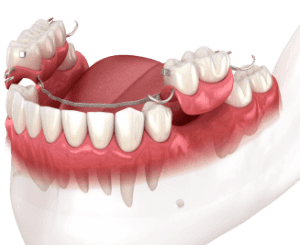
Dental prosthetics
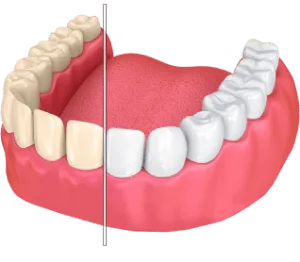
Cosmetic dentistry
Professional Dental Hygiene

Periodontics
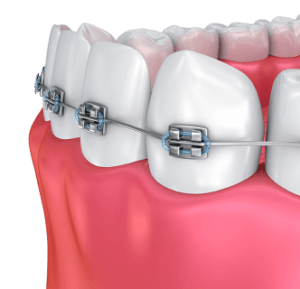
Orthodontic dentistry

Gnathology & TMJ Therapy
Pediatric Dentistry
Dental X-Rays
Back
Orthodontic Center
Orthodontic dentistry
Gnathology & TMJ Therapy
Back
Prosthodontic Center
Dental prosthetics
Back
MED-DEO Center for Maxillofacial Surgery & Facial Plastics
Maxillofacial Surgery
Plastic surgery
Back
Surgical Dental Center
Dental surgery
Dental Implants
Search on the site


Popular requests
Teeth whitening
Treatment of caries
Wisdom tooth extraction
Bracket system
Dental veneers
Tooth restoration
Pediatric dentist
Consultation with a dentist-therapist
Search results by: «».
Unfortunately, no results were found for your search: “Pediatric Endocrinologist”, nothing was found.
You may find these links useful:
Clinics "MED-DEO"
пр.Лобановського, 130, Київ, Україна
Temporarily closed
Opening soon
78A, Irpinska St., Kyiv, Ukraine
Temporarily closed
Opening soon
32A, Heroiv Dnipra St., Kyiv, Ukraine
Temporarily closed
Opening soon
9B, Yevhena Chykalenko St. (Pushkinska), Kyiv, Ukraine
Temporarily closed
Opening soon
Services
Dentistry Orthodontic Center Prosthodontic Center MED-DEO Center for Maxillofacial Surgery & Facial Plastics Surgical Dental CenterGeneral Dentistry
Dental surgery
Dental Implants
Maxillofacial Surgery
Dental prosthetics
Cosmetic dentistry
Professional Dental Hygiene
Periodontics
Orthodontic dentistry
Gnathology & TMJ Therapy
Pediatric Dentistry
Dental X-Rays
Orthodontic dentistry
Gnathology & TMJ Therapy
Dental prosthetics
Maxillofacial Surgery
Dental surgery
Dental Implants
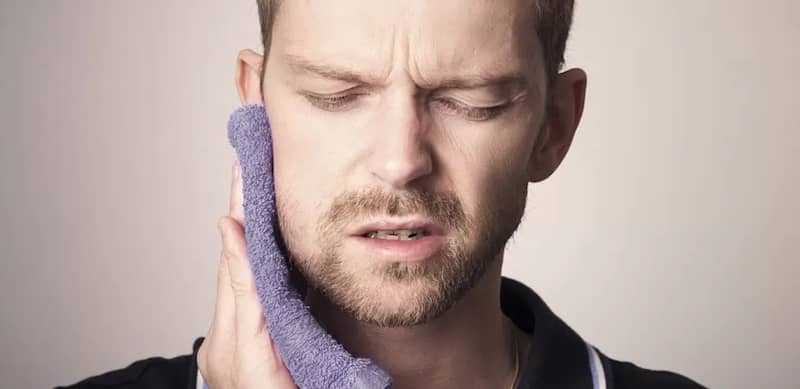

First Aid for Toothache: Step-by-Step Instructions
If a toothache strikes suddenly, a clear sequence of first aid steps can help. Here is the recommended algorithm:
Step 1: Examine the oral cavity and remove any food debris. The easiest way to identify which tooth hurts is to gently press on it and assess the level of pain.
Step 2: Rinse your mouth with warm water, optionally with salt. A mild salt solution can temporarily ease the pain.
Step 3: Take a pain reliever. When there is already fairly deep tooth decay, over-the-counter pain medications — such as ibuprofen-based tablets — are usually needed. If the pain is very severe, stronger medications may be required; however, these are best prescribed by a dentist.
Step 4: Apply a cold compress to the cheek. This is a safe method to quickly reduce pain and swelling for a period of time.
Step 5: Assess the need to see a dentist. If none of the steps above provide at least initial relief, professional dental treatment is needed. A toothache can be a sign of more serious problems than they may appear at first!
Types of Toothache: How to Recognize by Character
Toothaches vary in character. One of the first steps when a tooth hurts is to identify the type of pain. Here is a classification of pain sensations and their significance:
- Acute pain — sudden onset, high intensity. Possible cause: pulpitis (inflammation of the nerve inside the tooth).
- Dull, aching pain — prolonged but tolerable discomfort, typically pointing to caries or gum inflammation.
- Throbbing/pulsating pain — a sign of an inflammatory process, such as periostitis (inflammation of the jawbone). Associated symptoms may include mucosal swelling and a so-called “gumboil”, as well as pain radiating to the ear due to a possible purulent abscess.
- Shooting pain — also a sign of nerve inflammation caused by an infection in the pulp. When the dental nerve hurts, the most important first step is to see a dentist. An inflamed nerve will not heal on its own, and the infection can spread deeper into the tissues and even the bone.
- Pain when biting — can be either a reaction to temperature stimuli or a sign of periodontitis (inflammation of the tissue around the tooth root).
Convenient reference table: pain type → likely cause → urgency of treatment.
Why Does a Tooth Hurt: Main Causes of Toothache
Let us look in more detail at the most common dental conditions that cause toothache — specifically the relationship between the character of pain and the diagnosis.
Caries and Its Complications
Caries develops gradually — from an initial white spot to a deep cavity. At each stage, the pain syndrome changes in intensity. Initially there may simply be increased sensitivity to hot, cold, or sweet substances, as these stimulants penetrate the damaged tooth tissues and irritate the nerve inside. As caries progresses, pain naturally intensifies and becomes more prolonged. If you do not see a dentist promptly, the temptation is to manage at home — but the best approach is to avoid self-treatment and visit a professional. They will determine whether the pain is caused by tartar buildup or a serious carious cavity. If left untreated, complications such as nerve inflammation and spreading infection can follow, and in the worst case the tooth may need to be extracted.
Pulpitis — Inflammation of the Dental Nerve
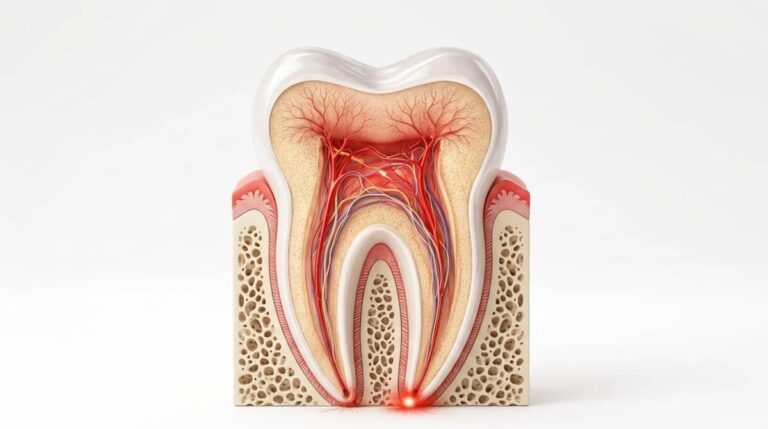
The pulp consists of the soft tissues inside the tooth where blood vessels and the nerve are located. Pulp inflammation usually occurs due to untreated caries — bacteria damage the enamel, then the dentin, and eventually reach the pulp. In acute pulpitis, the toothache is quite intense, especially at night, with a pulsating or “shooting” sensation that may radiate to the ear or temple. Chronic pulpitis presents milder symptoms but with periodic flare-ups.
Many people wonder what to do at home when the dental nerve hurts. It is important to understand that pain relievers provide only temporary relief — they do not eliminate the infection in the pulp. Without treatment, inflammation can spread to the tooth root and surrounding tissues, potentially leading to tooth loss.
Periodontitis — Inflammation of the Tissues Around the Root
The most common cause of periodontitis is a complication of pulpitis, when the infection spreads beyond the nerve to the tooth root and beyond. Characteristic signs include a feeling of pressure or a “protruding” tooth, pain when biting, visible darkening of the gums, and tooth mobility that may worsen when chewing. If symptoms are ignored, the infectious process will spread further, leading to a purulent abscess or gumboil. Professional dental care is mandatory. A key diagnostic step when periodontitis is suspected is an X-ray, which will accurately reveal inflammation near the tooth root and assess the extent of the damage.
Periostitis (Gumboil) — Purulent Inflammation of the Periosteum
A gumboil is a purulent inflammation of the tissues around the tooth that spreads to the periosteum (the protective membrane around the jawbone). Its characteristic manifestations include not only strong, usually pulsating toothache but also noticeable swelling — sometimes significant enough to cause a visibly swollen cheek. Pain may radiate to the temple, ear, or eye, and body temperature may rise to 38°C. It is important to understand that a swollen cheek from a toothache cannot be managed at home. A gumboil requires urgent medical intervention and immediate surgical care. Without draining the pus and stopping the infection, dangerous consequences are very difficult to avoid.
Wisdom Tooth Pain: Causes and Features
Wisdom teeth, or “eights”, more often experience problems due to difficult eruption. During this period, significant pressure may be placed on neighboring teeth and the mucous membrane may become traumatized. Inflammation of the gingival “hood” over the wisdom tooth — known as pericoronitis — may also develop. If the tooth is incorrectly positioned from the start, it irritates nerve endings during eruption, causing strong pain and swelling.
Wisdom tooth caries often develops unnoticed due to difficult access, leading to delayed treatment as the pain and damage gradually worsen. The best course of action when a wisdom tooth hurts is to see a dentist as quickly as possible. Eliminating the cause of pain in such a hard-to-reach area at home is nearly impossible.
Gum Disease: Gingivitis and Periodontitis
Gum diseases can also cause toothache. Even when the tooth itself looks healthy, conditions such as gingivitis and periodontitis can provoke pain, each with their own characteristic symptoms:
- Gingivitis — bleeding, swelling, and painful sensations when brushing. Gums are inflamed and very sensitive.
- Periodontitis — tooth mobility due to deeper damage and the formation of periodontal pockets (when teeth appear to recede from the gums). Pain usually occurs when chewing, accompanied by an unpleasant odor from the mouth.
When to Seek Emergency Dental Care
Urgent dental consultation is definitely required if any of the following are present:
- Acute or pulsating toothache that does not stop for several hours.
- Swelling of the face, cheek, or gums — a sign of a purulent process.
- Gum bleeding without obvious cause, combined with pain.
- Elevated body temperature — a systemic reaction to infection.
- Difficulty swallowing or breathing — a life-threatening situation.
- Tooth trauma with loss of integrity (cracked or chipped tooth).
- Tooth mobility or change in position.
- Appearance of purulent discharge or unpleasant odor.
- Complete uncertainty about what is happening and the tooth has been hurting for several days.
Pain Relievers for Toothache: What Actually Helps
When a strong toothache occurs, the immediate question is: which pain relievers to take? Effective toothache medications are only those whose efficacy is confirmed by evidence-based medicine. Pain relievers do not treat the cause — they only temporarily reduce the symptom. The choice of medication depends on the severity of pain, the patient’s age, the presence of chronic conditions, and possible contraindications.
Convenient reference table: what to take when a tooth hurts.
Ibuprofen (Nurofen, Eurofast)
Mechanism of action: anti-inflammatory + analgesic. Optimal dosage for toothache: 200–400 mg (usually 1 or 2 tablets). Onset: approximately 30–40 minutes. Ibuprofen is the optimal choice for moderate tooth pain. Permitted for children from age 6 and with caution during pregnancy. Contraindicated with peptic ulcer or kidney problems. Maximum daily dose for adults: up to 1,200 mg. Intervals between doses: 6–8 hours.
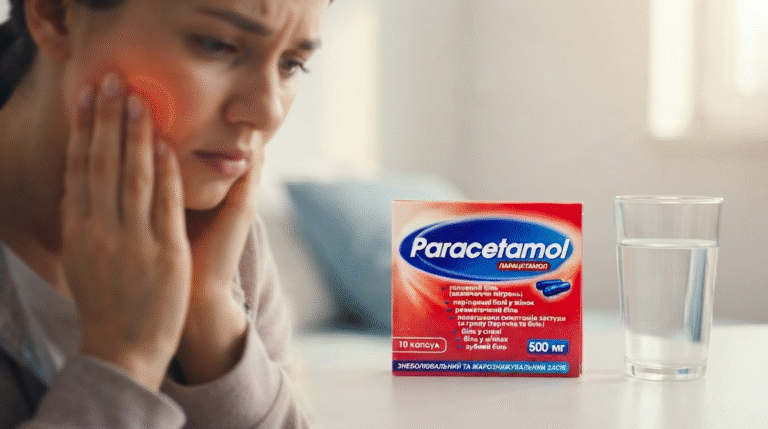
Paracetamol
One of the safest options — it does not irritate the stomach and, at the correct dosage, rarely causes side effects. Permitted during pregnancy and for children, and commonly used when a child has a painful baby tooth. However, it provides only analgesic — not anti-inflammatory — effects. Dosing rules:
- Adults: 500–1,000 mg up to 4 times daily with a 4–6 hour interval.
- Children: dose calculated by weight, usually in syrup or suppository form, as indicated on the packaging.
Even this seemingly safe medication requires caution — overdose can cause toxic liver damage.
Nimesulide (Nimesil, Nise)
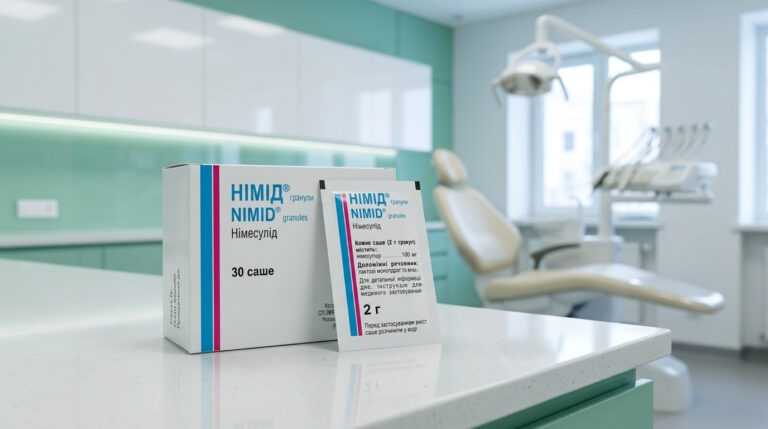
A fairly strong anti-inflammatory medication recommended for significant and intense tooth pain, offering both analgesic and anti-inflammatory effects. Used in short, limited courses due to possible side effects (stomach irritation, nausea, allergic reactions, liver strain). Most commonly available as a powder sachet that dissolves and is absorbed quickly. Not recommended as a first-line treatment and contraindicated for children under 12, during pregnancy and breastfeeding.
Ketorolac (Ketorol, Ketanov)
One of the most powerful over-the-counter analgesics for severe tooth pain. Used when other medications are ineffective. Onset is fairly rapid and the effect lasts up to 6 hours. Prolonged use is strongly discouraged due to potential negative effects on the stomach and kidneys. Not prescribed for those under 16 or for pregnant women. Always discuss with a doctor before use.
Analgin (Metamizole Sodium)
A traditional, affordable, and effective pain reliever for toothache. However, it has usage restrictions and is banned in many countries due to the risk of agranulocytosis — a dangerous drop in protective blood cells. Recommended only for short-term use when no alternatives are available and there are no contraindications. Contraindications include: allergy to metamizole, blood disorders, serious kidney or liver disease, and pregnancy or lactation. Uncontrolled use can negatively affect blood cell production and overall immune function.
Combination Medications (Solpadeine, Spasmalgon)
These typically contain several analgesics combined with codeine and caffeine. Codeine provides pain relief via the nervous system, while caffeine enhances and accelerates the analgesic effect. The combined result is significantly stronger pain relief. However, doctors emphasize that these medications should not be used regularly, especially due to the codeine content, which can cause dependency with prolonged use. They should only be used when other medications have proven ineffective.
How Often Can You Take Pain Relievers for Toothache
Always follow the dosage frequency specified in the instructions for each specific medication. Do not exceed recommended doses or intervals. If the toothache is severe and you are unsure what to do at home — see a dentist immediately. Increasing dosages independently only masks the symptom without addressing the underlying cause.
Toothache and Antibiotics: Are They Needed and When?
Many people mistakenly believe that antibiotics are almost always needed for a toothache. This is not the case. Most conditions — such as caries or even pulpitis — are treated with dental procedures alone, without antibiotics. They are only indicated in serious complications such as purulent abscess, severe swelling, periostitis, high fever, and as post-operative infection prevention.
In dentistry, when antibiotics are used, they typically belong to groups such as amoxicillin or azithromycin. A full course must always be completed. Self-prescribing antibiotics is strictly prohibited — this not only fails to replace a dental visit but also leads to antibiotic resistance and further complications.
Home Remedies for Toothache: What Actually Works
Home remedies are only temporary relief until professional dental treatment can be obtained. The most effective approaches are rinsing with warm saline or baking soda solution, or using certain herbal infusions.
Mouth Rinses for Toothache: Proven Solutions
- Salt solution: 1 tsp per glass of warm water. Reduces swelling and has an antiseptic effect.
- Baking soda solution: 1 tsp per glass of warm water. Reduces inflammation and neutralizes the acidic environment created by oral bacteria, which triggers pain.
- Combined salt + baking soda solution: 1 tsp of each per glass of warm water — provides an enhanced combined effect.
A few drops of iodine may optionally be added for stronger antiseptic properties, but use with caution if you have an iodine allergy. General rinsing guidelines: use warm (not hot) solution; hold the liquid near the affected tooth; rinse every 2–3 hours; each session should last 1–2 minutes. Hot rinses must never be used — they will only worsen inflammation!
Herbal Infusions: Chamomile, Sage, Oak Bark
Herbal infusions are another safe option for rinsing at home. Chamomile, sage, and oak bark infusions are recommended — for mild pain they can reduce it without medication. Chamomile and sage noticeably relieve inflammation, while oak bark has an astringent effect, reduces gum bleeding, and inhibits bacterial growth in the mouth. These are safe options to rinse with, though they do not replace professional dental care for prolonged pain.
Propolis and Bee Products
Propolis and bee products (beeswax, bee bread, etc.) can help with mild pain and no severe inflammation. Propolis is known as a natural antiseptic and mild anesthetic. However, all bee products carry a high risk of allergic reactions — always perform a sensitivity check before use. Note that honey should be used cautiously as its sugar content may actually worsen pain in caries.
Essential Oils: Clove, Mint, Tea Tree
- Clove oil — the most effective folk remedy, contains eugenol (a natural anesthetic and antiseptic). Apply a few drops to a cotton swab and hold against the affected tooth for 10–15 minutes.
- Tea tree oil — has antibacterial properties; use with caution due to possible irritation. Apply the same way.
- Peppermint oil — provides a noticeable cooling effect and mild calming sensation. Apply the same way.
Important: do not swallow any essential oil and do not apply undiluted directly to mucous membranes — always dilute with a carrier oil or water.
Cold Compresses and Ice
The simplest yet effective method — apply cold to the cheek. Cold causes blood vessel constriction, reducing swelling and numbing nerve endings. Correct technique: wrap ice in a clean cloth or towel, apply to the cheek on the side of the affected tooth for 10–15 minutes, with 10–15 minute breaks between applications. Do not apply ice directly to the tooth (risk of increased sensitivity) and do not hold too long (risk of skin frostbite). For deep inflammation, cold may be less effective.
What Does NOT Work: Debunking the Myths
The following home methods have no evidence base or are actually harmful:
- Alcohol rinses — irritate and dry out the mucous membrane, can worsen pain. Do not use for rinsing!
- Placing an aspirin or analgin tablet directly on the tooth — causes chemical burns to the mucous membrane and damages enamel. Does not work.
- Hot compresses — never apply! Can worsen inflammation and swelling, and increase the risk of abscess.
- Applying arsenic, hydrogen peroxide, or alcohol into a cavity — causes significant tissue damage and is extremely dangerous. The right approach for a tooth with a cavity is always professional dental treatment.
- Applying toothpaste to the painful area — provides only a brief sense of freshness with no therapeutic effect.
What to Do When a Tooth Hurts and You Have No Medication
If a toothache strikes at night with pharmacies closed or no medication on hand, home remedies become your first option. Rinse with warm salt or baking soda water, and apply a cold compress using whatever is available (frozen food wrapped in cloth, a cold spoon). This is a temporary measure to reduce pain and swelling.
Further steps: gently clean the oral cavity and adopt a semi-upright position with the head elevated — this reduces blood flow to the inflamed area and can slightly ease throbbing and pressure. Distraction techniques may also help: calm breathing, meditation, watching a film, or light acupressure between the thumb and index finger.
By morning — either go to a pharmacy for pain relievers or, better yet, see a dentist. If the pain is unbearable, there is severe swelling, or a high fever — call an ambulance.
Toothache After Dental Treatment
Toothache sometimes occurs after dental procedures such as fillings, tooth extractions, or root canal treatment. It is important to distinguish between a normal reaction and a complication:
When pain is normal: after filling (1–2 days), after nerve removal (2–3 days), after tooth extraction (3–7 days), after professional cleaning (just increased sensitivity). Signs of normal recovery: gradually decreasing pain intensity, no swelling or reducing swelling, normal temperature.
When pain indicates a complication: pain intensifying 2–3 days after the procedure, pulsating character, appearance or increase of swelling, elevated temperature, unpleasant odor from the mouth. Possible causes: high filling (excess material creates incorrect bite), incomplete canal filling, remnants of infected tissue, root perforation, allergic reaction to materials.
What to do: for normal post-procedure pain — take pain relievers and monitor; for complications — see a dentist urgently.
What Is FORBIDDEN When You Have a Toothache
- DO NOT apply heat to the affected area — no hot compresses, heating pads, hot rinses, or hot food. This worsens inflammation, increases swelling, accelerates infection spread, and raises the risk of abscess.
- DO NOT place tablets directly on the tooth — aspirin and analgin cause chemical burns to the mucous membrane and damage enamel, with no pain-relieving effect.
- DO NOT self-prescribe antibiotics — without a diagnosis and specific indications they are ineffective and create antibiotic resistance.
- DO NOT remove fillings or probe cavities — this causes further damage, infection, and worsened pain.
- DO NOT use strong chemicals — arsenic, undiluted hydrogen peroxide, or alcohol in the tooth cavity will cause burns and tissue necrosis.
- DO NOT ignore pain or delay dental care — this only accelerates disease progression and leads to complications (gumboil, abscess, or tooth loss). In severe cases, infection may spread and cause sepsis. The main rule: do not self-treat — see a dentist.
- DO NOT take pain relievers uncontrollably — risks include overdose, side effects, liver and kidney damage, and only temporary masking of the problem.
- DO NOT lie completely flat with acute pain — increased blood flow will increase swelling and worsen the pain.
- DO NOT smoke or consume alcohol — mucosal irritation worsens inflammation and slows healing.
Prevention of Toothache: How to Avoid the Problem
To avoid dealing with toothache altogether, preventive measures are key:
- Regular oral hygiene — brush teeth twice a day, use dental floss and, if needed, an oral irrigator. Use fluoride toothpaste where possible.
- Balanced diet — limit sugar, add more vegetables, address any nutritional deficiencies.
- Regular dental check-ups — preventive examination and professional cleaning even when nothing hurts (every six months). Treat caries promptly, even at an early stage.
- Fluoride treatment and remineralization — to strengthen enamel, reduce sensitivity, and increase resistance to caries.
- Giving up harmful habits — smoking, frequent alcohol and sugary drink consumption, nail-biting, and opening things with teeth.
- Dental protection during sports — use protective mouthguards during contact sports to prevent chips, cracks, and dental injuries.
Frequently Asked Questions (FAQ)
How do I know which tooth hurts?
Gently tap or press each tooth with your finger — the affected one will typically respond with sharp pain when pressed. A dentist can make a more precise determination during an examination.
What to do if a tooth hurts and there are no tablets?
Rinse your mouth with warm lightly salted water, apply cold to the cheek through a cloth, and book a dental consultation.
What to do if a tooth with a cavity hurts very badly?
This is most likely pulp (nerve) inflammation. Take a safe pain reliever and see a dentist as soon as possible. The pain will not resolve on its own without treatment.
What to do at home if a tooth hurts and the cheek is swollen?
Apply something cold to the cheek — always through a cloth. If the swelling continues to increase, urgent medical attention is needed.
How often can I take pain relievers for a toothache?
Follow the instructions for the specific medication. Most are taken every 6–8 hours without exceeding the daily dose.
What can I rinse with when a tooth hurts?
A saline and baking soda solution is safe and effective. It does not treat the cause but temporarily reduces pain.
What to take when a tooth hurts?
Ibuprofen or paracetamol are among the safest and most suitable options for moderate pain. For severe pain, see a dentist immediately.
Written by Yulia Laskava,
Dental Therapist at Med-Deo Clinic


Make an appointment
You can make an appointment by filling out the application form on the website, as well as using instant messengers:
Make an appointment
You can make an appointment by filling out the application form on the website, as well as using instant messengers:


Make an appointment easily using chatbots:
Also, call the numbers:
Modern dentistry and medical centre "MED-DEO"
Choose a clinic whose location is more convenient for you.
Kyiv, Holosiivska/Demiivska metro station
130 Lobanovskoho Avenue


Working hours:
Mon - Sun: 8:00 AM - 9:00 PM
No days off!
Call the numbers:
How to get to us? Create a route
Create a route
Kyiv, Akademistechko metro station
78A, Irpinska str.


Working hours:
Mon-Sun: 8.00-21.00
Without days off!
Call the numbers:
How to get to us?
Create a route
Create a route
Kyiv, Heroiv Dnipra metro station
32A, Heroiv Dnipra str.
Working hours:
Mon-Sun: 8.00-21.00
Without days off!
Call the numbers:
How to get to us?
Create a route
Create a route
Kyiv, Teatralna metro station
9B, E. Chykalenko (Pushkinska) str.



Working hours:
Mon-Sat: 8.00 - 21.00. Sun: by appointment.
Without days off!
Call the numbers:
How to get to us?
Create a route
Create a route
Відгук від клієнта
0:00
0:00


Your email will not be published on the site.